Did you know that more than 1 in 100 people feel common side effects from gabapentin? These can be physical or emotional, like major mood changes. Gabapentin, known as an anticonvulsant drug, is mainly used for seizure control. But, it’s also linked to different mental health effects, including possible depression.
This article looks into how gabapentin and mood problems are connected. It shows why the drug is used and talks about its mental side effects. Many wonder if gabapentin can really lead to depression. We’ll look at what research says and expert opinions to help you understand more about gabapentin’s emotional effects on health.
Key Takeaways
- Gabapentin is linked to both common and serious side effects, including mood changes.
- Limited research indicates a potential yet unclear connection between gabapentin and depression.
- Individual responses to gabapentin vary based on personal health history and environment.
- Higher doses or long-term use may increase the likelihood of adverse effects.
- Monitoring for signs of harm, including suicidal thoughts, is crucial during treatment.
- Consult with healthcare providers before discontinuing gabapentin to prevent withdrawal symptoms.
Understanding Gabapentin and Its Uses
Gabapentin is known by names like Neurontin and Gralise. It was first made to help manage seizures in people with epilepsy. But its use goes beyond that, helping with different medical issues. It’s especially good at easing nerve pain, which makes it a top choice for gabapentin for pain management.
Most gabapentin prescriptions, over 99% from 2011 to 2016, were for non-approved uses. These include treating pain and mental health issues like depression and anxiety. While it may help with anxiety, its effectiveness for depression or bipolar disorder is not well-proven. Better options should be considered for these mental health conditions.
Using gabapentin can come with risks. It may increase the chance of suicidal thoughts in some people, especially those already struggling with mental health. Warnings have been given about its safety, pointing out dangers for those with breathing problems.
Gabapentin is still important for treating seizures and managing mental health. However, more research is needed to fully understand how it works for different conditions. It’s crucial for both doctors and patients to know about gabapentin’s effects for pain and mental health.
Gabapentin Side Effects
Gabapentin, known by its brand name Neurontin, is used for epilepsy and pain relief. It’s safe for most people but has some gabapentin side effects.
Common side effects of gabapentin include dizziness, drowsiness, and stomach upset. Serious psychiatric side effects can happen but are rare. These include sadness, anxiety, and irritability. Depression, though uncommon, is a serious concern.
Some reactions can be very serious, like deadly allergic reactions or breathing problems. Mixing gabapentin with some painkillers can be dangerous. Misusing gabapentin can lead to suicidal thoughts and more. It’s key to watch for these side effects and get help if you see signs of depression or strange behavior.
| Common Gabapentin Side Effects | Potentially Serious Gabapentin Side Effects |
|---|---|
| Dizziness | Anaphylaxis |
| Drowsiness | Angioedema |
| Gastrointestinal distress | Respiratory depression |
| Impaired coordination | Depression |
| Nausea | Suicidal ideation |
| Fatigue | Withdrawal symptoms |
Knowing about gabapentin side effects helps make treatment better and safer. Talk about your concerns and risks with your doctor if you use this medication.
Link Between Gabapentin and Depression
Recent studies show a link between gabapentin and depression. Those with mood disorders might find this very relevant. Gabapentin could make depression worse, especially for those with mental health issues. It’s crucial to understand this connection.
People who take antidepressants and gabapentin need close monitoring. This is because gabapentin may increase depression symptoms. It’s important for doctors to know a patient’s mental health history before prescribing it. One study showed a patient became more depressed and aggressive after taking gabapentin for pain. His mood improved after stopping the medication.
It’s vital to prescribe gabapentin carefully. Doctors should check for psychiatric problems before prescribing it. For more information, check out this study on gabapentin and depression.
| Factor | Impact of Gabapentin |
|---|---|
| Elevated Depression Risk | Increases after initiation |
| Pre-existing Psychiatric Conditions | Exacerbation of symptoms possible |
| Withdrawal Symptoms | May include mood disturbances |
| Patient Monitoring | Essential for those on gabapentin |
Can Gabapentin Cause Depression?
When we look into gabapentin and depression, we see different reports and studies. Some research shows a possible link between them. Patients also share varied experiences, adding to the debate.
Evidence from Clinical Studies
Some people might face depression due to gabapentin. Studies point out it relates to anxiety, irritability, and trouble sleeping. It seems gabapentin affects serotonin, which can worsen anxiety. This might lead some users toward suicidal thoughts, especially those with depression history.
Case Reports and Patient Experiences
People’s experiences with gabapentin drastically differ. Even though studies raise questions, individual stories show a mix of emotional impacts. Trying things like cognitive therapy or getting regular exercise might help handle gabapentin’s side effects.

| Aspect | Details |
|---|---|
| Potential Side Effects | Depression, anxiety, irritability, sleep issues |
| Notable Research Findings | Some studies correlate gabapentin with increased risk of depressive symptoms |
| Patient Feedback | Wide range of emotional responses reported; some experience significant mood changes |
| Supportive Treatments | Cognitive Behavioral Therapy (CBT), exercise, stress reduction techniques |
Mood Disorders with Gabapentin
Gabapentin is used to treat mood disorders among other conditions. It is important for doctors to be careful because of the psychiatric side effects observed in some people. Those with mental health issues before need extra watch.
Psychiatric Side Effects Observed
People taking gabapentin may feel tired, sick, or slightly hostile. Even more serious are symptoms like agitation, irritability, and thoughts of suicide. These signs should be closely watched. This is crucial for those with pre-existing mental health issues like anxiety or depression. Studies have shown different side effects for those with these disorders. A full review on this topic is available here.
Impact on Pre-existing Mental Health Conditions
Starting gabapentin can be risky for those already dealing with mood disorders. It might help or harm. Feelings of sadness or lack of hope could appear. Doctors need to carefully check patients before giving them this medicine. This helps avoid bad reactions. Knowing how gabapentin affects mood is key to safe use.
Neuropsychiatric Effects of Gabapentin
Gabapentin helps with nerve pain and controlling seizures. It also has important effects on the brain and emotions. Some people see changes in their mood and behavior.
Behavioral Changes and Emotional Disturbances
People taking gabapentin can act differently. They might feel more agitated, have mood swings, or think less clearly. Doctors need to watch these changes carefully.
Suicidal Ideation and Self-harm Risks
There are worries about suicide and self-harm with gabapentin. It’s essential to check on people using it, especially if they’ve had mental health issues. Finding the right balance between helping and potential harm is key.
Gabapentin and Anxiety Disorders
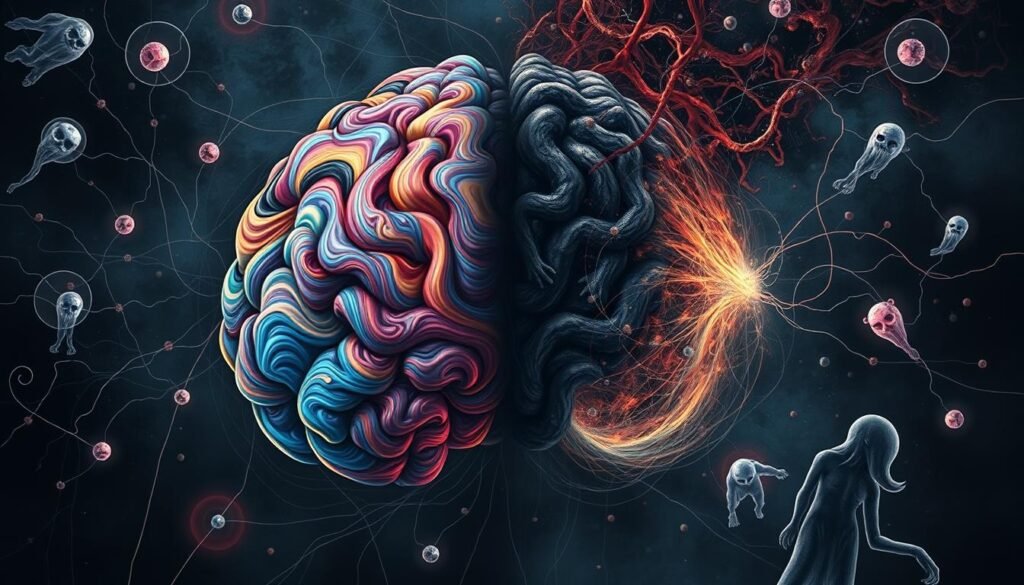
Gabapentin was first approved to treat nerve pain and seizures. Now, it’s also used for anxiety disorders treating anxiety with gabapentin. This happens when other treatments don’t work well. But, studies on gabapentin for anxiety are still few. So, doctors suggest using it with caution.
It seems to help with gabapentin for social anxiety, especially. People afraid of being judged in social settings might find relief. However, gabapentin has side effects like drowsiness and dizziness. More severe ones include thoughts of harming oneself. Around 20% of adults suffer from anxiety disorders yearly. This makes looking into gabapentin’s effectiveness important.
Some patients feel better in a week, while others take three weeks. Constant check-ups are important during treatment. Doctors think about your symptoms and past treatments when prescribing gabapentin.
Paying attention to sleep and mental health is key for a full treatment plan. Problems sleeping can worsen anxiety and depression. Addressing sleep issues can improve treatment results. For more on how sleep affects mental health, visit this resource.
| Anxiety Disorder | Gabapentin Efficacy | Common Symptoms |
|---|---|---|
| Generalized Anxiety Disorder | Limited evidence | Restlessness, fatigue, difficulty concentrating |
| Panic Disorder | Moderate efficacy | Heart palpitations, sweating, trembling |
| Social Anxiety Disorder | Promising as third-line treatment | Fear of judgement, social avoidance |
| Obsessive-Compulsive Disorder | Minimal evidence | Intrusive thoughts, repetitive behaviors |
| Post-Traumatic Stress Disorder | Variable results | Intrusive thoughts, nightmares |
Gabapentin Safety Concerns
Gabapentin is effective for some conditions but has safety worries we need to watch. Both patients and doctors need to know about these issues for safe use. Two big concerns are how it reacts with other drugs and the risks when stopping it. Knowing about these problems helps avoid dangers and leads to safer treatments.
Drug Interactions and Withdrawal Risks
Studies show drug interactions with gabapentin can cause serious issues. Mixing it with opioids and CNS depressants raises the chances of bad effects like breathing problems. With 14% of gabapentin uses also involving opioids, the risks are clear. Also, 15% to 26% of people with opioid problems say they misuse gabapentin.
The dangers of gabapentin withdrawal risks are very real. Stopping suddenly can lead to symptoms like anxiety and mood changes. These issues can make treatment harder, especially for those already dealing with mental health problems. Doctors are key in helping patients slowly stop taking gabapentin, making withdrawal safer.

Alternatives to Gabapentin for Pain Management
If you’re having side effects from gabapentin, like mood changes, you might look for other ways to manage pain. There are lots of other options that aren’t anticonvulsants. These can help reduce pain while avoiding gabapentin’s risks.
Some notable non-anticonvulsant treatments include:
- Amitriptyline (Elavil): This antidepressant is used for nerve pain. It’s started at doses of 10-25 mg. It might take up to eight weeks to see results.
- Duloxetine (Cymbalta): This is used for nerve pain and starts at 60 mg. It also helps with anxiety and depression.
- Physical Therapy: Custom exercises can strengthen muscles and help with chronic pain.
- Pregabalin (Lyrica): This is similar to gabapentin but is different in its effects and side effects.
- Natural Alternatives: Vitamin B12, cayenne, and zinc might manage pain naturally, without pharmaceutical risks.
Each of these pain management options has its own benefits and possible side effects. Moving from gabapentin to another treatment requires a doctor’s help. This ensures the choice fits your needs best.
So, knowing about all these non-anticonvulsant options is key. It helps anyone looking for relief from pain without gabapentin’s downsides.
Conclusion
This close look at gabapentin shows its worth in treating seizures and chronic pain. Yet, it also sheds light on its mental health impacts. While gabapentin doesn’t lead to more suicide tries in people without mental health issues, those with such conditions need careful watching. This is due to risks of depression and anxiety.
The research shows that people with mental health disorders are more likely to attempt suicide before getting gabapentin. For some mood disorders, gabapentin has lowered this risk. Therefore, it’s crucial to keep a close eye on patients and create specific care plans. Gabapentin works well for pain relief and emotional balance, but we must watch for its effects on mental health.
Looking at gabapentin’s effects on depression, it acts as both help and hindrance. While it’s good for controlling pain and helping with certain mental conditions, the risk to mental health can’t be ignored, especially for those at risk. Careful management and close monitoring can lessen the risk of withdrawal effects. Keeping this balance helps in making sure patients get the best care while understanding the challenges of mental health and gabapentin.