About 350 million people globally grapple with depression, making it a top cause of disability. Many seek innovative solutions, like cannabis, for relief. This interest shows a quest for natural relief from mood disorders.
Among several treatments, cannabis appears as a hopeful choice for depression symptoms. Despite some experiencing short-term benefits, the link between *cannabis and depression* remains complex. A 2022 study with over 7,000 participants in Canada suggested cannabis might help depression.
We’ll look into how cannabis impacts mental health and user experiences, plus the risks of using it for depression. It’s key to grasp this complex relationship for those exploring mood disorder management options. For more details, check WebMD.
Key Takeaways
- About 350 million people worldwide suffer from depression.
- With more mood disorders, the interest in cannabis as a treatment grows.
- Studies indicate cannabis may offer short-term depression symptom relief.
- The connection between cannabis and depression is intricate and demands caution.
- It’s vital to understand the risks before using cannabis for mental health.
Understanding Depression and Its Impact on Mental Health
Depression is a common mental health issue affecting millions around the world. Those facing it often feel deep sadness and hopelessness. It can make everyday activities hard for them. Up to 15% of people deal with major depressive disorder (MDD). That’s about 300 million people struggling with this mood disorder.
Depression often leads to long-lasting episodes. This makes coping hard and symptoms worse. Finding effective treatments is critical. People are trying many therapies, including alternative ones like cannabis. Some think it helps ease depression’s heavy load.
There’s a clear link between depression and using cannabis. Those with MDD are more likely to use cannabis daily, looking for relief. Yet, for some, cannabis may make depressive symptoms worse. It’s important to be careful with its use.
The relationship between cannabis and mental health is complicated. For some, cannabis offers help with mood disorders. But, it can cause more problems for others if misused. Knowing this balance is key for those facing mental health challenges.
Talking about these effects helps in considering different treatments. As research continues, looking at cannabis for mood disorders offers hope. It might help those fighting depression find some relief.
Introduction to Cannabis: Nature’s Healing Plant
Cannabis has been important in medicine for centuries, starting in ancient China and India. It is known as a healing plant. It has different parts that make people interested in how it can help health-wise. THC and CBD are two of those parts, with THC giving a high feeling and CBD helping calm people down. These have made people look into how cannabis can help with health problems.
Today, people use cannabis both for fun and as medicine. In the U.S., 33 states and Washington, D.C., have made medical cannabis legal because they see it can help as a medicine. A report in 2017 by the National Academies of Sciences, Engineering, and Medicine showed it works well for chronic pain and nausea from cancer treatment.
But cannabis doesn’t always help mentally. Some studies say people who use it may feel more depressed than those who don’t. About 79% of these studies found a link between using cannabis and feeling depressed. This means, even if some use it to feel better, it might not always help, especially for young people or those already dealing with mental health issues.
As more people want to know about cannabis’s health benefits, it’s key to learn how it works with our bodies. Knowing the good and bad about cannabis helps people decide if it’s right for them. Talking about cannabis’s role in treatment and mental health is just starting. It’s a big conversation about how it affects mood and mental wellbeing.
The Relationship Between Cannabis and Depression
The link between cannabis and depression is complex. It shows that cannabis use can affect and be affected by mood disorders. Many people with depression use cannabis to cope. About 30% of cannabis users may become dependent. This can cause anxiety, altered sleep, and irritability.
Heavy cannabis use in teens can raise the risk of depression and anxiety later. It’s especially risky for those with mental illnesses like schizophrenia or bipolar disorder. Their conditions can get worse with cannabis, creating a tangled relationship with mental health.
Certain cannabis strains might help with depression symptoms. These strains are high in CBD and low in THC. Yet, heavy use can harm mental health. It often makes mood disorders worse.
Up to 54% of chronic pain patients also report depression. This shows the need for care that includes traditional and alternative therapies for mental health. Combining different treatments can improve overall health. Adding alternative therapies to cannabis use might help mood and mental clarity.
How Cannabis Works: An Overview of Cannabinoids
Cannabis has over a hundred compounds known as cannabinoids. THC (tetrahydrocannabinol) and CBD (cannabidiol) are the most well-known. It’s vital to know how these react with our bodies to understand their impact on mental health, mainly depression.
THC is known for making people feel high. It affects the brain, causing happiness and calm. This can ease anxiety and depression symptoms for some. CBD, however, doesn’t make you high. It’s being studied for reducing anxiety and boosting mood.
The link between cannabis and mental health isn’t simple. While THC and CBD might offer short-term relief for depression, long-term cannabis use has risks. About 1 in 10 regular users can become dependent, which may increase anxiety and depression risks.
Young folks starting cannabis early might face more risk for psychotic conditions, like schizophrenia. Genetics play a role too, making some more prone to cannabis-related mental health issues. The endocannabinoid system’s role in mood suggests cannabis affects depression.
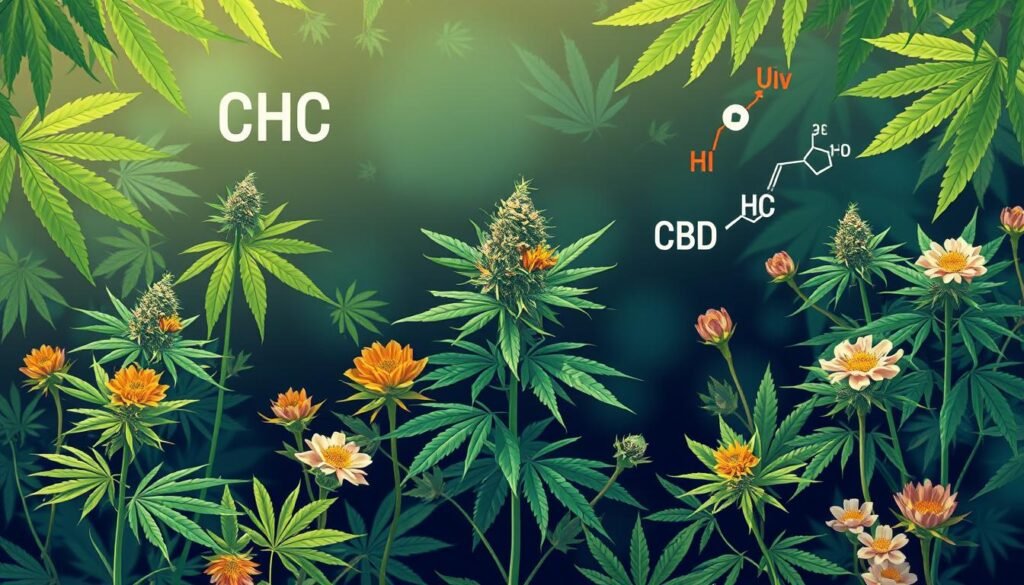
More research into cannabinoids and mood disorders is ongoing. A review of 47 studies calls for more quality research to truly understand cannabinoids’ effects on mental health.
| Effect | THC | CBD |
|---|---|---|
| Psychoactive | Yes | No |
| Potential to reduce anxiety | Yes | Yes |
| Risk of dependency | Higher | Lower |
| Prevention of depression | Potentially | Supported by research |
In conclusion, cannabis and its cannabinoids’ role in treating mental health is still being studied. As research grows, it’s crucial to balance the benefits and risks, especially for mental health disorders.
Potential Benefits of Cannabis for Depression
There’s growing interest in how cannabis might help with depression. People are looking for other ways to deal with mental health issues, beyond usual treatments. Early studies show cannabis might help with depressive feelings in the short term. People using cannabis often talk about feeling better mentally.
Short-term Relief from Symptoms
Many studies hint that cannabis can lessen depression symptoms briefly. For example, some folks feel happier right after using cannabis. They share how their moods become brighter and dark thoughts lessen.
In clinics, those using cannabis for depression say they feel less anxious and stressed. This helps them feel more at peace overall.
User Testimonials on Cannabis for Mood Improvement
Lots of people share how cannabis has lifted their spirits. They talk about escaping deep sadness and finding joy in everyday things again. Research shows that 34% of folks using medical cannabis do so for depression. They are thankful for the comfort it brings, often mentioning it works better for them than traditional meds.
| User Experience | Reported Effects |
|---|---|
| Increased social enjoyment | Enhanced mood and reduced feelings of isolation |
| Improved focus on tasks | Heightened productivity during creative activities |
| Better sleep patterns | More restful nights leading to improved daytime mood |
| Greater stress resilience | Ability to cope better with stressful situations |
These stories show how cannabis might make moods better. But, we need to be careful in how we see this. How cannabis affects people can really differ. Relying too much on it for emotional help has its risks. Research continues to dig into how cannabis affects mental health.
Risks and Side Effects of Using Cannabis for Depression
Using cannabis for depression can be risky and have negative side effects. Some people might feel better at first, but long-term use can make things worse. This includes ongoing depression and not wanting to do anything. It’s important for anyone thinking about using cannabis for mental health to know these risks.
Persistent Depression and Lack of Motivation
For many, the risks of cannabis go beyond just short-term problems. People who use it a lot may find their depression lasts longer. They might also lose interest in everyday activities. For students, this can hurt their grades and friendships. About 30.7% of US high school seniors used cannabis last year. It shows that young people are especially at risk.
Increased Risk of Other Mental Health Disorders
The link between cannabis use and mental health disorders is not simple. Users might feel more anxious, have brief psychosis, or see their existing mental health issues get worse. Teens who use cannabis are more likely to have serious problems like anxiety and depression. Using it often while young can lead to cannabis use disorder. This makes mental health issues even harder to deal with. It might be a good idea to look into other treatments like natural remedies. For more information, check out natural remedies for depression.

Medical Marijuana: A Legal Perspective
The legal side of medical marijuana in the US is complex and confusing. The laws vary by state, impacting those with mental health issues such as depression. Currently, 37 states, including Washington, DC, Guam, Puerto Rico, and the US Virgin Islands, allow medical cannabis. These laws help patients find relief, but the rules can be challenging.
Patients have to understand their state’s laws very well. In some places, you need a doctor’s diagnosis and approval to get medical marijuana. This makes things harder. Although many feel better using it for depression, it’s not approved by the FDA. This lack of approval means patients might face doubts from regular doctors.
Knowing the legal scene helps patients fight for their right to use medical marijuana. Studies show different health results for those who use it. For example, a big study found 40% of psychiatry patients used marijuana. Those who used it for medical reasons were in worse health than those who didn’t. This has sparked a debate about the benefits and risks of marijuana.
If you’re thinking about this treatment, it’s important to know your local laws and talk to doctors who understand them. Joining support groups can also help you understand how to legally use cannabis.
| Aspect | Details |
|---|---|
| States with Medical Marijuana Laws | 37 states + DC, Guam, Puerto Rico, US Virgin Islands |
| States with Recreational Laws | 18 states + DC, Guam |
| Prevalence of Cannabis Use Disorder (CUD) | ~2.9% for individuals aged 12+, ~25% in psychiatric samples |
| THC Content Increase (1995-2014) | From 4% to 25-30% |
| Changes in CBD Content (1995-2014) | From 0.28% to |
Alternative Therapies Alongside Cannabis Use
When dealing with depression, it’s often best to use several methods. Adding alternative therapies to cannabis treatment can really help. These approaches look at you as a whole person. They bring holistic health into focus, aiming to improve your overall wellness.
There are many complementary treatments that pair well with cannabis. These can help tackle the many sides of mental health. They include:
- Therapy: Getting involved in cognitive-behavioral therapy or methods to lessen stress through mindfulness can aid in sorting out feelings and finding ways to cope.
- Exercise: Staying active can cause the release of endorphins. These natural chemicals help ease depression and anxiety symptoms.
- Nutritional Interventions: Eating well, with lots of omega-3s, antioxidants, and vitamins, supports brain function and emotional fitness.
Using these techniques along with cannabis might also reduce some risks that come with using a lot of cannabis. For those prone to mood swings or depression, combining these approaches can lead to a more balanced way of managing symptoms.
To summarize, using a variety of alternative therapies with cannabis is beneficial. It supports mental health and fosters a well-rounded, personal plan. This can improve wellness in many areas of life.

Cannabis and Depression: Finding the Right Balance
Using cannabis for depression needs careful thought. Those seeking help should use cannabis safely to reduce risks. It’s important to find the right balance for health benefits and less negative effects.
Guidelines for Safe Use of Cannabis
For safe cannabis use, keep these tips in mind:
- Start with low doses, especially for those who are new to cannabis.
- Opt for high-CBD, low-THC products to lessen psychoactive effects.
- Consider a balanced THC-CBD ratio to help improve mood without overwhelming psychoactivity.
- Take breaks from cannabis use periodically to reset tolerance.
- Monitor mental health closely, paying attention to any fluctuations in mood or behavior.
Consulting Healthcare Professionals
Talking to healthcare experts is key when considering cannabis for treatment. They can offer advice suited to your health and situation. Patients find the best treatment plan by talking openly, combining cannabis with other therapies. Continuous, honest talks keep you updated on cannabis’s effects on mental health. For those wanting more info, resources like research on cannabis and adolescent mental health show the need for tailored treatment plans to avoid issues.
Conclusion
Looking into how cannabis affects depression shows a tricky situation. There’s some proof it might help, especially for those with mental health issues. Yet, studies haven’t always found it makes things better in the long run. For young people, using it for fun might actually lead to mental health problems like depression.
Treating mental health means looking at all options closely. As we learn more, the link between genes, the endocannabinoid system, and mental health could help. But this area isn’t well-studied yet. Sometimes, drugs like SSRIs aren’t enough for people with substance use issues. This shows why we need treatments made just for them.
Talking about cannabis is getting more common as it becomes legal in more places. It’s key to talk to doctors to get advice that fits your health needs. Adding cannabis treatments to usual ones might help find a better way to deal with depression and boost mental health.