Did you know nearly 1 in 5 adults in the United States struggles with anxiety disorders? That’s over 40 million people. This high number shows a pressing need for ways to lessen anxiety and boost well-being. Mindfulness meditation is now known as a strong way to ease stress and clear the mind.
By focusing on the present, these methods help with anxiety management. They also fight the bad effects of constant stress. Such stress is connected to many health problems.
Learning about mindfulness meditation can help people deal with their feelings better. Trying different techniques lets individuals find what works best for them. This leads to peace and strength. As stress climbs, making mindfulness a daily habit is key for keeping a healthy mind.
Key Takeaways
- Nearly 1 in 5 adults in the U.S. experiences anxiety disorders.
- Mindfulness meditation promotes present-moment awareness and coping strategies.
- Chronic stress can lead to significant health issues, highlighting the need for stress relief.
- Practicing mindfulness can enhance mental clarity and emotional resilience.
- A variety of mindfulness techniques can be tailored to individual preferences.
Understanding Mindfulness and Its Benefits
Mindfulness means being fully present and aware in the moment. It greatly affects our mental health and well-being. Understanding mindfulness shows us how to be aware without judging or reacting. By adding mindfulness into our daily lives, we can better handle anxiety and stress.
What is Mindfulness?
Mindfulness is a way to focus on what’s happening right now. It helps us be aware of our thoughts, feelings, and what our body feels, without judging them. Using mindfulness to manage anxiety allows us to observe problems without impulsively reacting. Doing mindfulness often improves self-awareness. This helps us understand our feelings and mental health better.
Benefits of Practicing Mindfulness
Many studies show that mindfulness helps reduce anxiety and depression. People who practice mindfulness regularly gain many benefits, including:
- Improved emotional control
- Better focus and attention
- Lower blood pressure
- Better sleep
- Understanding eating habits better
- Handling stress with more flexibility
Adding mindfulness to your daily life can change how you handle anxiety. It builds mental strength and helps manage strong emotions better. Just a few minutes of mindfulness each day can greatly improve mental clarity and emotional health.
The Science Behind Mindfulness Meditation
Mindfulness meditation has become very popular, especially for mental health. It shows promise in easing anxiety and boosting well-being. Many studies help us see why it’s effective.
Research on Mindfulness and Anxiety
Studies show that mindfulness meditation can really help with anxiety. For example, a study in The Journal of Consulting and Clinical Psychology found it might cut depression relapse by half. Reviews of mindfulness programs show they can reduce stress almost as well as antidepressants can. Plus, there’s growing proof that mindfulness betters our thinking and emotional health.
Impact on Mental Health
Regular mindfulness has a big impact on mental health. A study by Richard A. Davidson and Jon Kabat-Zinn showed meditators had more flu antibodies after getting a vaccine than those who didn’t meditate. Also, fMRI scans indicate long-term perks of mindfulness, like protecting the brain from aging. Mindfulness not only lowers anxiety but also strengthens our mental abilities, helping to slow down cognitive decline.
Mindfulness Meditation Practices for Anxiety Management
Many are finding mindfulness meditation a great way to handle anxiety. It includes practices that help find peace, resilience, and better emotional health. By focusing on your breath, being aware of your body, and having positive thoughts, you can change how you deal with anxiety. Learning about these methods can give you the power to manage your mental health better.
Overview of Effective Practices
There are many effective mindfulness meditation practices for managing anxiety. Each one has its unique way but all aim to calm and center the mind. Here are some important practices:
- Mindful Breathing: Paying attention to breathing helps you stay in the moment, calming anxious thoughts.
- Body Scan Meditation: This gets you deeply in tune with your body, helping let go of stress and tension.
- Loving-Kindness Meditation: Sending kindness to yourself and others creates positive feelings, easing anxiety.
- Guided Meditation: Through audio or live guidance, you can delve into themes that help with relaxation and healing.
- Qigong and Tai Chi: These practices mix movement with mindfulness, bringing harmony and clear thinking.
- Yoga: Yoga’s poses and breath work together to unify body and mind, leading to deep calm.
Adding these techniques to your daily life can greatly improve your mental health. Studies show meditation goes beyond just relaxing. It increases self-awareness, sharpens focus and changes how we react to stress. These strategies are easy to do and can be practiced nearly anywhere, making them key for mental wellness.
| Practice | Focus | Benefits |
|---|---|---|
| Mindful Breathing | Breath Awareness | Reduces racing thoughts, promotes present-moment awareness |
| Body Scan Meditation | Physical Awareness | Aids relaxation, releases physical tension |
| Loving-Kindness Meditation | Positive Intention | Nurtures compassion, counters feelings of anxiety |
| Guided Meditation | Audio Guidance | Explores themes for relaxation and emotional healing |
| Qigong and Tai Chi | Movement and Mindfulness | Emphasizes balance, fosters mental clarity |
| Yoga | Physical Postures | Harmonizes body and mind, promotes tranquility |
Mindful Breathing Exercises
Mindful breathing exercises are key in mindfulness practice. They help us relax and become more aware by focusing on our breath. There are many techniques to improve this practice. They promote mental health and help manage emotions.
Techniques for Deep Breathing
There are several techniques to help you relax and reduce stress. Let’s look at some popular ones:
- Diaphragmatic Breathing: Uses the diaphragm for deeper breaths. It calms us by activating the body’s relaxation response.
- Pursed-Lip Breathing: Good for people with lung problems, it involves breathing in slowly and exhaling through pursed lips.
- 4-7-8 Breathing: You breathe in for four seconds, hold for seven, and exhale for eight. It’s great for anxiety and relaxation.
- Resonance Breathing: Breathing in and out for six seconds can calm the mind and reduce stress if done for up to ten minutes.
- Box Breathing: This method has you breathe in, hold, exhale, and hold again, all for four counts. It’s structured and calming.
Effects on the Nervous System
Deep breathing has a big impact on our nervous system. It makes us relaxed by:
- Slowing our heart rate
- Lowering blood pressure
- Easing muscle tension
Studies show mindful breathing helps with anxiety, sleeplessness, and depression. Regular practice lessens insomnia and fatigue. By focusing on breathing, we avoid the stress response. This creates a peaceful and balanced mood.

Body Scan Meditation
Body scan meditation is a great way to become more mindful. It focuses on different body parts one by one. Starting at your feet, you slowly move your attention up to your head. This not only relaxes you but also helps connect your mind and body. This connection is vital for feeling good overall.
Steps for a Successful Body Scan
Here’s how to do a body scan meditation:
- Find a cozy spot to sit or lie down. People usually prefer one or the other.
- Gently close your eyes and breathe deeply a few times to get centered.
- Focus on your feet. Try to feel any sensations there. Imagine relaxation spreading through each body part.
- Slowly move your focus up your body. Go from calves to thighs, then pelvis to stomach, and so on. Spend time feeling each area. Try not to judge any sensations.
- If you start thinking about other things, that’s okay. Just gently bring your attention back to your body.
- Finish by taking a deep breath. Then, slowly start noticing the room around you again.
Mind-Body Connection
The connection between your mind and body is key in this meditation. Doing it often can help you notice when you’re tense or stressed. It’s been found that people doing body scan meditation for eight weeks had less stress. They had lower levels of cortisol, a stress hormone. Making this practice part of your day can improve your awareness, reduce stress, and make you healthier.
| Practice Component | Percentage |
|---|---|
| Comfortable position (100%) | All participants find a comfortable position |
| Lying down posture | 50% |
| Sitting upright posture | 50% |
| Focus on breath | 40% |
| Focus on different body parts | 60% |
Adding body scan meditation to your daily routine highlights the importance of being aware of yourself. It helps you listen to what’s going on inside. This can lead to better emotional stability and less anxiety.
Loving-Kindness Meditation
Loving-kindness meditation (LKM) is a key self-care strategy that improves well-being and reduces stress. It helps people foster deep self-compassion and care for others too. Studies show it greatly enhances emotional health, creating a sense of connection and understanding.
Practicing Self-Compassion
Self-compassion is vital for handling anxiety. Being kind to oneself promotes a positive mindset and self-acceptance. Those who practice LKM tend to forgive easier and build stronger connections.
They shift away from negative thoughts. This supports a friendly internal voice.
Extending Compassion to Others
Showing compassion to others benefits both personal and social relations. It involves sending positive thoughts to loved ones and even those we struggle with. This can boost emotional resilience and reduce feelings of loneliness.
Being more empathetic also helps manage social anxiety and improves our interactions. Research backs the positive impacts of compassion on social relationships.
| Benefits of Loving-Kindness Meditation | Details |
|---|---|
| Boosts Overall Well-Being | Enhances positive feelings and reduces stress levels. |
| Improves Self-Acceptance | Encourages a kinder and more forgiving self-image. |
| Enhances Emotional Connection | Strengthens interpersonal bonds and empathy towards others. |
| Reduces Anxiety Symptoms | Aids in managing anxiety, social dread, and interpersonal conflicts. |
| Promotes Resilience | Fosters emotional strength in challenging situations. |
Walking Meditation
Walking meditation mixes walking with mindfulness. It helps us feel more connected to our bodies and minds. By focusing on our steps and breath, we become more present.
This form of meditation is not only about peace of mind. It also brings many health benefits, making it a wonderful practice.
Benefits of Mindful Walking
Walking mindfully offers more than just exercise. Studies show that this type of walking can:
- Increase daily steps by about 1,700, promoting greater physical activity.
- Reduce stress and anxiety, leading to an overall improved emotional state.
- Enhance mood and cognitive function, particularly in older adults.
- Improve balance, especially beneficial for seniors with a history of falls.
- Help manage chronic pain and mobility issues when combined with aerobic walking.
How to Practice Walking Meditation
Here’s how you can start with walking meditation:
- Select a quiet path free from distractions.
- Focus on the sensations of movement, such as the feeling of feet on the ground and the rhythm of breath.
- Bring attention to the surroundings, observing sights, sounds, and smells without judgment.
- Practice for approximately 30 to 35 minutes to maximize benefits.
Progressive Muscle Relaxation
Progressive Muscle Relaxation (PMR) helps release tension and boosts well-being. It works by tensing then relaxing muscles. This teaches you how tension forms and how to let go of it. PMR is simple to learn and great for easing stress.
Understanding Tension and Relaxation
Knowing the difference between being tense and relaxed is key for PMR. Stress can make muscles tight, leading to more anxiety. PMR lets you identify and ease these tense spots. This technique started in the 1930s, thanks to Dr. Edmund Jacobson. It aims to lower stress, improve sleep, and manage pain well.
Steps to Practice PMR
Follow these steps to try progressive muscle relaxation:
- Get comfy, sitting or lying down.
- Start with your feet. Tighten muscles for 5 seconds, then relax for 30 seconds. Remember to breathe deeply.
- Move up your body, going to hands, arms, forehead, cheeks, neck, shoulders, chest, back, hips, thighs, calves, and ending with the feet.
- While tensing, feel the muscle but avoid pain.
- Think of the tension leaving every time you exhale. This leads to relaxation.
- Set aside 15-20 minutes in a quiet space.
- End by slowly opening your eyes, coming back to the moment.
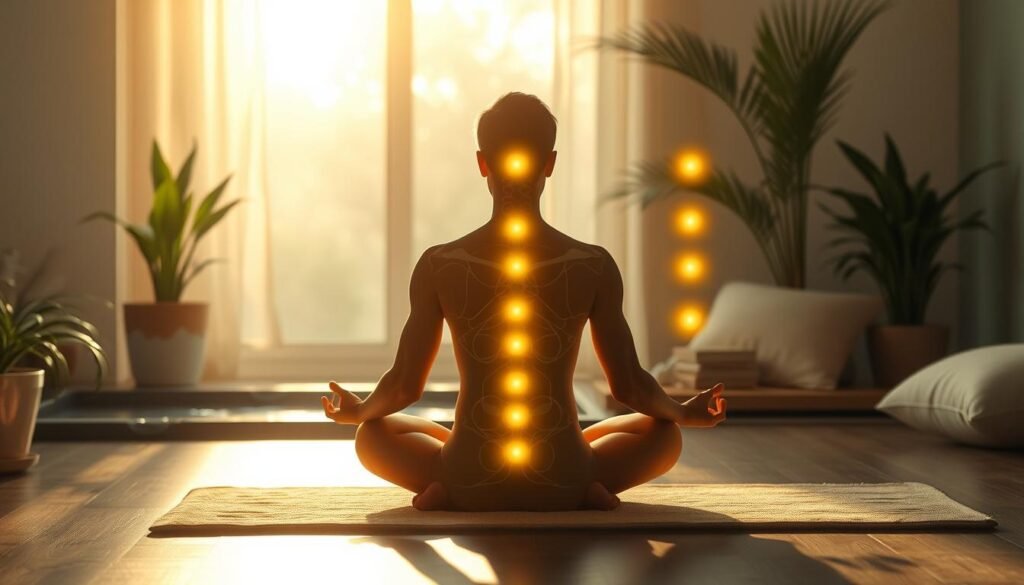
Using PMR can increase relaxation and calmness. It’s good to use it often, making adjustments as you like. If it brings up bad feelings, talk to a doctor or therapist.
Mindfulness-Based Cognitive Therapy (MBCT)
Mindfulness-based cognitive therapy, or MBCT, blends cognitive therapy with mindfulness practices. It was created by Zindel Segal, Mark Williams, and John Teasdale. Spanning eight weeks, it helps people understand and change negative thoughts that affect mental health.
What is MBCT?
MBCT helps those who’ve struggled with depression many times. Studies show it can cut the risk of coming back by nearly 50%. It helps reduce depression symptoms and cravings for addictive substances. People are encouraged to practice mindfulness in their daily lives. This helps them become more aware of their thoughts and feelings.
CBT Principles and Mindfulness Intersection
MBCT mixes cognitive behavioral therapy and mindfulness. It includes mindfulness stretches and the “three-minute breathing space technique.” These methods boost mental resilience and overall well-being. Research shows MBCT works well alongside antidepressants to treat depression.
More research shows MBCT could be good for severe depression. Both MBCT and practices like mindfulness-based stress reduction have wide-ranging benefits. They help with anxiety and lessen stress for many people. These results show how important mindfulness is in treating mental health.
Utilizing Mindfulness Apps
Today, mindfulness apps are key tools for people wanting to better manage anxiety. They offer easy ways to start or deepen mindfulness meditation. This makes it easier for both newbies and pros.
Popular Apps for Mindfulness Practices
Some apps have become really popular thanks to their easy-to-use design and a variety of content. Well-known ones include:
- Headspace – Provides guided meditations and sleep help to lessen anxiety and encourage relaxation.
- Calm – Offers meditation, calming sounds, breathing exercises, and stories for sleep.
- Insight Timer – Has a huge collection of meditations from different instructors, plus features for community sharing.
These apps help with managing anxiety through technology, making it easy to bring mindfulness into daily life. They offer structured content that helps people understand meditation better. This encourages awareness and living in the moment.
How Technology Aids Mindfulness
Technology is key in making mindfulness practices more available. It allows people to meditate when they want, helping them meditate more regularly. Apps send reminders and track progress to keep users motivated.
They also have special features like:
- Adjustable meditation times to fit any schedule.
- Community features for finding support and encouragement.
- Weekly challenges to keep users engaged.
Using these mindfulness tools in apps helps users stay on track and feel part of a community. With their guidance and flexibility, these apps are changing mental health care. They make mindfulness easier to get into for anyone looking to feel better.
Setting Up a Regular Mindfulness Practice
Making mindfulness a regular part of your life means choosing a special place and time for it. Doing mindfulness often makes its benefits stronger. This part talks about how to make a mindful space and keep practicing regularly. These steps can make your mindfulness experience much better.
Creating a Mindful Environment
Creating a mindful space means setting up an area that helps you relax and focus. It should be away from things that distract you. This makes practicing mindfulness easier. Here’s how to make your space welcoming:
- Choose a quiet location with minimal noise and interruptions.
- Incorporate natural elements, such as plants or natural light, to enhance tranquility.
- Use comfortable seating or cushions to promote physical comfort during practice.
- Dim the lights or use soft lighting to create a calming ambiance.
- Consider adding soothing scents through candles or essential oils to further enhance relaxation.
Establishing a Consistent Practice Routine
Being regular with mindfulness practice makes it more effective. A routine helps make mindfulness a natural part of your day. To keep up your practice, you can:
- Set specific times each day for mindfulness practice, making it part of a daily schedule.
- Start with brief sessions, gradually increasing the duration as comfort and familiarity grow.
- Utilize reminders through apps or alarms to stay on track with practice.
- Track progress in a journal, noting experiences and feelings after each session.
- Join groups or communities that focus on mindfulness practices to bolster motivation.
Adding mindfulness into your daily routine has many benefits. Having a special space for practice helps create a supportive environment. This lets you focus better. Over time, it helps with controlling emotions and improves overall happiness.
Conclusion
Mindfulness meditation is a great way to improve how we feel emotionally. Research shows it really helps reduce anxiety and mood disorders. People should try the helpful tips mentioned here. Adding mindfulness to daily life can make a big positive change in mental health.
Using methods like meditation, breathing exercises, and mindful walking strengthens our ability to handle anxiety. These habits help us control our feelings and improve our mental well-being. To learn more about mindfulness, check out this resource.
Now is a perfect time to start exploring mindfulness. Just spending a few minutes each day on it can bring peace and clear thinking. This helps create a healthy way of dealing with stress and anxiety. It’s never too late to enjoy the benefits of mindfulness meditation.