Ever wondered about Lamictal’s popularity in treating bipolar depression? This FDA-approved medication stands out in psychiatric care. It specifically targets the depressive phase of bipolar disorder without causing manic episodes. In this guide, we’ll discuss Lamictal’s edge over traditional antidepressants in managing bipolar disorder.
Lamictal comes in various forms and dosages, proving effective for bipolar I and II disorders. Throughout this article, we’ll highlight Lamictal’s success in easing depressive symptoms. This demonstrates its significant role in treatment.
For a detailed understanding, we will look into relevant studies. These include research articles highlighting its advantages. Such resources provide strong evidence of its benefits.
Key Takeaways
- Lamictal is an FDA-approved medication tailored for treating bipolar depression.
- It has shown unique effectiveness in stabilizing mood without inducing mania.
- Dosage variations range from 25 mg to 400 mg, making it flexible for user needs.
- Common side effects include nausea and insomnia, but long-term use is generally safe.
- Clinical studies confirm Lamictal’s efficacy, especially for bipolar I and II disorders.
Understanding Bipolar Disorder
Bipolar disorder involves severe mood swings. It’s a chronic mental illness. People face high highs and low lows, affecting their daily life. The DSM-5 by the American Psychiatric Association shows how it lowers life quality. Around 2.4% of people worldwide have it. Not treating it can lead to a higher suicide risk.
Manic phases bring high energy and risky actions. Depressive times lead to deep sadness. Handling these lows is crucial for health. Lamictal (lamotrigine) is a common mood stabilizer for treatment. For more details on how Lamictal helps, click here.
Knowing about bipolar disorder helps in managing it. Being aware and getting treatment helps those living with this illness.
What is Lamotrigine?
Lamotrigine, known by the brand name Lamictal, is a key anticonvulsant medicine. It’s mainly used for treatment for epilepsy. Beyond controlling seizures, it acts as a mood stabilizer for bipolar disorder. It helps manage depressive episodes well.
The FDA has approved lamotrigine. It fits into many treatment plans, especially for those with bipolar disorder. Clinical studies show it can ease mood swings and improve emotional stability. Anyone looking to learn more about bipolar disorder treatments can find helpful info in this article.
Lamotrigine comes in different forms, like tablets and chewable dispersible tablets. There’s also a sugar-free oral suspension. The dosing starts low and slowly increases. It might take up to two months for patients to feel better.
As an anticonvulsant and mood stabilizer, close monitoring is crucial at the start. This ensures side effects are kept in check. It also helps in managing seizures and stabilizing moods effectively.
| Formulation | Strengths |
|---|---|
| Tablets | 25mg, 50mg, 100mg, 200mg |
| Chewable/Dispersible Tablets | 2mg, 5mg, 25mg, 100mg |
| Oral Suspension | 10mg/ml (sugar-free) |
Careful management of lamotrigine offers substantial help for those with bipolar disorder and epilepsy.
Lamictal Bipolar Depression: Overview and Efficacy
Lamictal, also known as lamotrigine, is praised for helping with bipolar depression. It is especially favored due to its safety. This drug is good at preventing sad periods in those with bipolar.
Studies show Lamictal begins working within three weeks, reaching full effect after six weeks of slow dosage increases. Clinical trials have found it significantly better than older medicines at lessening depression signs.
Clinical Trials on Lamotrigine
Clinical trials back up Lamictal’s success in treating depression. Reports tell us it makes a positive difference. People taking it also saw life quality improve. There was a slight rise in side effects, but it’s seen as manageable.
There’s no big risk difference between taking Lamictal alone or with other drugs concerning suicidal actions or quitting the study. This shows Lamictal’s consistency in treatment.
Comparison with Traditional Treatments
Against older treatments like lithium, Lamictal shines for depression in bipolar disorder. It’s chosen often because it stabilizes mood without harsh side effects. It lets doctors and patients work together better, reducing chances of manic times or shifts in mood.
| Medication | Effectiveness in Depression | Common Side Effects | Risks |
|---|---|---|---|
| Lamictal | High | Nausea, insomnia, drowsiness | Serious rashes, rare syndromes |
| Lithium | Moderate | Weight gain, tremors, nausea | Kidney issues, toxicity |
| Other Mood Stabilizers | Variable | Fatigue, gastrointestinal distress | Risk of serious infections, metabolic syndrome |
Mechanism of Action of Lamotrigine
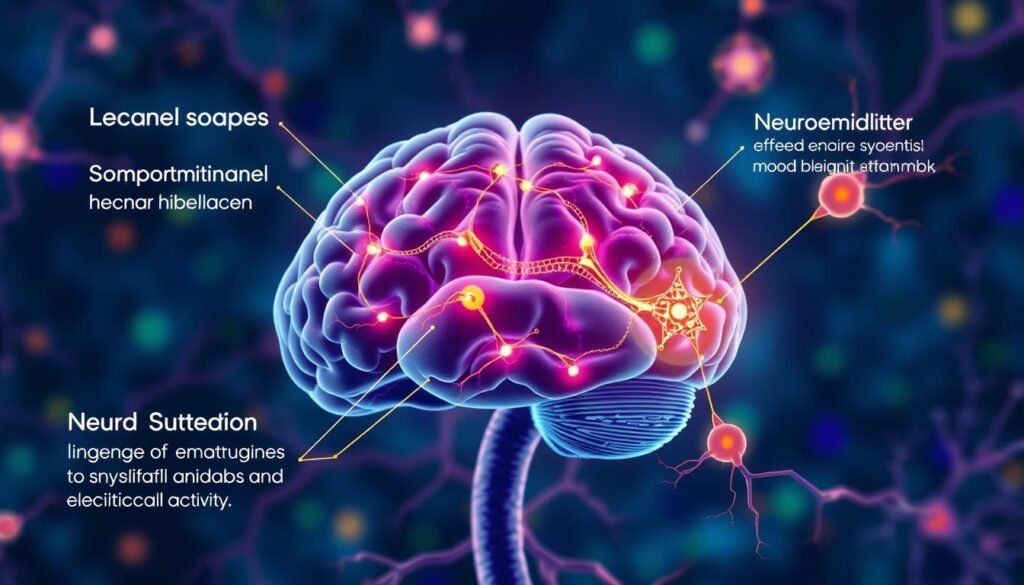
Lamotrigine is key in treating bipolar disorder. It works mainly on sodium channels. This helps keep mood levels stable.
Inhibition of Sodium Channels
Lamotrigine stops voltage-sensitive sodium channels in the brain. This calmness helps overactive nerves. By doing this, it steadies the mood and eases bipolar symptoms.
Controlling sodium channels also keeps the brain’s electric activity in check. This lowers the chance of sudden mood changes.
Effects on Glutamate Release
Lamotrigine also affects glutamate, a vital brain chemical. Bipolar disorder can mess up glutamate levels. By managing these levels, Lamotrigine helps balance the mood.
This dual action makes Lamotrigine effective for the depressive stages of bipolar disorder. It stands out among treatments. For more insights on bipolar depression management, check out resources here.
Lamictal Dosage for Bipolar Disorder Treatment
Finding the right lamictal dosage for bipolar disorder is crucial. Treatment starts with low doses to reduce side effects like serious skin rashes. Dosages are then carefully increased based on how the patient reacts and tolerates the medicine.
Lamictal comes in several forms and strengths, such as:
- Chewable tablets: 2 mg, 5 mg, 25 mg
- Orally disintegrating tablets (ODT): 100 mg, 200 mg
- Oral tablets: 100 mg, 150 mg, 200 mg
- Extended-release (XR) oral tablets: 100 mg, 200 mg, 250 mg, 300 mg
The dosage schedule changes if other medications are being taken. They can affect Lamictal’s blood levels. There are three dosage levels:
- Dosage 1: Higher blood levels because of valproate drugs.
- Dosage 2: No drugs altering Lamictal levels.
- Dosage 3: Lower blood levels because of certain medicines.
For treating bipolar disorder, there are general dosing guidelines:
| Dosage Category | Max Daily Dose |
|---|---|
| Dosage 1 | Varies based on interaction |
| Dosage 2 | Up to 200 mg |
| Dosage 3 | Up to 400 mg in divided doses |
Managing long-term treatment is key. This involves ongoing adjustments. Age, weight, and how the liver and kidney work matter in setting the dose. Also, other medications taken are considered. This fine-tuning ensures safety and effectiveness. Plus, clear instructions for taking Lamictal help those who find drug labels or containers hard to use.
Benefits of Lamictal in Bipolar Depression
Lamictal, or lamotrigine, is known for its benefits in bipolar depression management. It is effective in stabilizing moods for those with bipolar disorder. This medication improves life quality for its users.
Mood Stabilization
Lamotrigine is great for mood stabilization. It is FDA approved for treating bipolar I disorder and is also effective for bipolar II. Users see fewer mood swings and better emotional health. Starting lamotrigine takes time, but its slow-start approach reduces side effects. It is safe for long-term use, making it a good choice for ongoing treatment.
Reduction of Depressive Episodes
Lamictal is key in reducing depressive episodes, especially in treatment-resistant bipolar II depression. It lessens the number and severity of these episodes. Clinical trials show lamotrigine is better than a placebo in managing symptoms. It is unlikely to cause shifts to mania, which makes it a safer choice. It can also complement other medications like SSRIs and SNRIs for a broader treatment approach.

Lamictal offers more than mood stabilization and episode reduction for those with bipolar depression. It significantly improves functionality and life quality. To learn more about Lamictal, visit this resource.
| Benefit | Description |
|---|---|
| Mood Stabilization | Effective balance of mood swings in bipolar disorder. |
| Depressive Episode Reduction | Minimizes frequency and severity of depressive phases. |
| Long-Term Safety | Considered safe for ongoing use without significant risks. |
| Low Mania Induction | Minimal risk of triggering manic episodes. |
Side Effects and Considerations
Understanding the side effects of lamotrigine for bipolar disorder is key. It’s important to monitor reactions for safety. Knowing about possible adverse effects lets patients and doctors work together better.
Common Side Effects
More than 10% of patients might see common side effects such as:
- Headaches
- Drowsiness
- Aggression
- Tremors
- Difficulty sleeping
- Diarrhea
- Nausea and vomiting
- Mild skin rashes
These symptoms are usually manageable but can affect everyday activities. Talking regularly with a healthcare provider is crucial to handle these effects safely.
Risk of Serious Reactions
Severe reactions like Stevens-Johnson syndrome are rare but serious. They’re more common in the first eight weeks or after dose increases. Warning signs include severe rashes, flushing, blisters, or ulcers and need urgent medical help.
Other serious side effects can include:
- Worsening seizures
- Signs of blood disorders
- Suicidal thoughts
- Symptoms of meningitis
Watch for signs of severe allergic reactions, such as swollen lips, trouble breathing, or confusion. Children and those with a history of medication-related rashes are at higher risk for serious issues. Long-term users should check bone health regularly to prevent osteoporosis.
Conclusion
The summary of lamictal bipolar depression highlights how vital lamotrigine is. It’s especially true for treating the depressive stages of bipolar disorder. Studies have shown it’s effective in preventing new mood episodes. This makes it better than placebo treatments.
It even works well in tough cases where other treatments fail. This makes lamotrigine very important in discussions about effective treatments.
But, it’s clear we need more research. This is to understand its long-term safety and how well it works over time. Even with a low chance of serious side effects, like a 0.1% risk of a serious rash, there’s a need for careful patient care.
Custom treatment plans are key. They help ensure people with bipolar depression get the best possible results.
Talking to healthcare providers is crucial for those taking lamotrigine. It helps make better choices about their treatment plan. This teamwork is essential. It makes sure the focus is on both medication and supporting the patient.