Can fabric show how tough a generation was? During the Great Depression, women made a big change. They turned flour sacks into pretty, useful clothes. This wasn’t just about fashion. It was about being smart and creative when things were hard. Making dresses from flour sacks showed how people could be inventive when they really needed to be.
Women showed they could change things to work for them. They got into sewing at home, which changed a lot too. When the sacks started having bright patterns, what was just packaging became favorite fabric for dresses. If you want to know more, the story of feed sack clothing tells how this crafty idea was a win during tough times. It’s a key part of 1930s fashion history.
Key Takeaways
- Flour sack dresses got popular as women made stylish clothes from what they had.
- The phrase “Make Do and Mend” summed up being thrifty in the Great Depression.
- Colorful patterns on sacks made them more wanted for making dresses.
- Flour sack clothes were a sign of creativity and toughness when money was tight.
- This idea kept going even in World War II because there was a lack of fabric.
- Sharing ideas and working together was important for this fashion to spread.
The Rise of Resourceful Fashion in the 1930s
In the 1930s, fashion changed a lot due to the Great Depression’s economic troubles. People had to be creative with what they had, turning everyday items into clothes. This was because money was tight, and buying new things was often not an option.
The Spirit of “Make Do and Mend”
Back then, farm women were really important in keeping clothing traditions alive. They used flour and feed sacks for fabric because they were affordable. Norma Ehlers remembers her mom making dresses from these sacks. It was a way to be both practical and stylish, using simple materials.
Impact of the Great Depression on Clothing Choices
The Great Depression made it really hard for people to buy new clothes. So, folks got creative with home sewing. Companies even started printing patterns on flour sacks to help out. Millie Opitz talks about how she turned these sacks into clothes, showing how families made do with what they had.
| Year | Event | Impact on Fashion |
|---|---|---|
| 1933 | Introduction of cotton bags for consumer packaging | Increased usability of American cotton in home sewing |
| 1936 | Launch of “Tint-sax” bags | Offered new color options for home garments |
| 1940 | Affordable seamstresses’ creations using sugar sacks | Made fabrics economically accessible for traditional dressmaking |
Women’s resilience and creativity during the Great Depression played a big role in fashion. It shows us how tough times can lead to inventive clothing design. To learn more, check out how depression era sewing turned simple materials into amazing fashion.
Understanding Flour Sack Fabric
Flour sack fabric has deep roots in American history. It began in the early 19th century as rough cloth for shipping grain. By the mid-20th century, it evolved into durable, colorful material. This changed thrift culture during the Great Depression. Families made the most of limited resources. They turned to these fabrics for clothes and household items.
Origin and Material Composition
In the late 1800s, flour sacks became popular. The flour industry used sturdy cotton sacks due to falling cotton prices. These sacks were later used for clothing and household items. By the 1920s, vibrant prints were made to appeal to women. Over three and a half million people wore flour sack clothing during the Great Depression.
Versatility of Cotton Flour Sacks
Cotton flour sacks were loved for their adaptability. Homemakers used every bit, even pieces as small as two inches square. These scraps were made into quilts, clothing, and other items. A homemaker could make up to 100 quilts using flour sack scraps.
Laura Jane Waldrop Gregg was known for her creativity with these sacks. She made clothing, bedding, and more during tough times. This tradition of repurposing flour sacks inspires new creative projects today.
For more about flour sack fabric’s impact, visit this resource. It shows the ingenuity of families making essential items from these materials. Flour sacks symbolize resilience and creativity during the Great Depression.
Great Depression Flour Sack Dresses: A Creative Solution
During the Great Depression, being resourceful was key to survival. Women used flour sacks to make fashionable dresses. These dresses had vibrant colors and patterns, showing creativity during hard times.
Creation and Design of Feed Sack Dresses
Women used their sewing skills to create feed sack dresses. Flour companies made cotton sacks with bright floral prints for repurposing. Making beautiful dresses, aprons, and kids’ clothes became a pride point.
About 3.5 million mothers and daughters wore these homemade dresses. They showed resilience and the need for inventive clothing solutions.
Community Engagement in Dressmaking
Women came together to share patterns and sewing tips, creating strong bonds. These sewing groups provided a sense of belonging and unity. Sharing ideas helped them support each other during hard times.
This collaboration showed the power of community in overcoming adversity. The movement became significant in American fashion history. Learn more about economic challenges through this link.
Fashion Trends and Innovations of the 1930s
In the 1930s, fashion took a new turn, especially because of the hard times. People had to be creative with what they had during the Great Depression. Women became experts at using what was around them, including turning flour sacks into trendy clothes.
Patterns and Prints for Home Sewing
Money was tight, so people got creative with flour sacks for their sewing projects. What started as a need became a fashion trend. Flour companies caught on and started making these sacks more colorful and appealing.
These colorful fabrics didn’t just turn into clothes. They also became parts of quilts with designs like the Dresden plate and churn dash. These projects were both useful and a way to be creative.
The Shift from Waste to Fashion Statement
The fashion scene really changed during this time. Using leftovers became something to celebrate. Sewing machines made making clothes easier and faster. Women’s clothes were modest but with interesting details like wide shoulders and flared skirts.
Even though money was tight, people still dressed in style. They used inexpensive jewelry and silk scarves to add flair to their outfits. Being stylish didn’t mean you had to spend a lot of money.
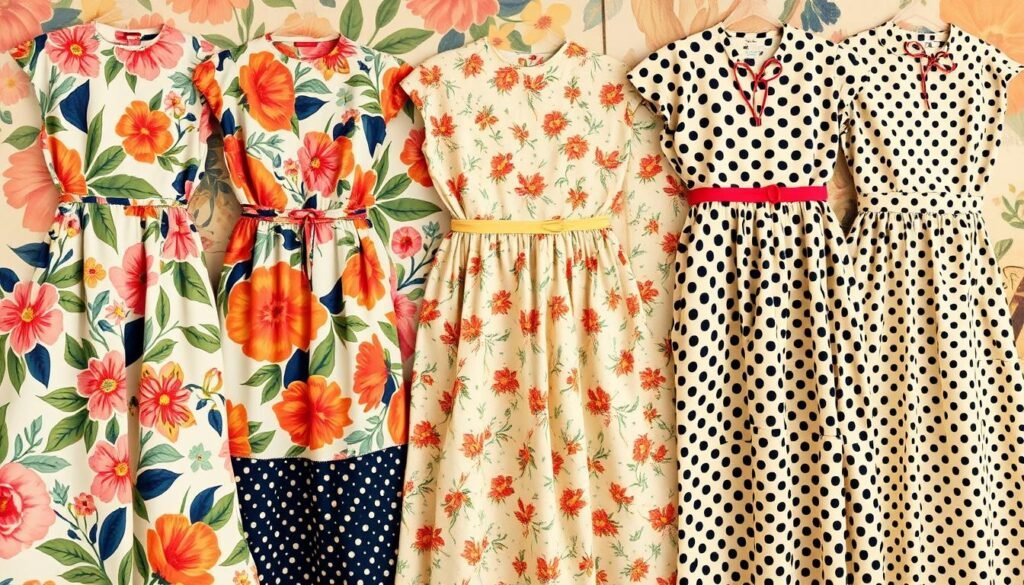
| Fashion Element | Description | Popular Patterns |
|---|---|---|
| Women’s Dresses | Wide shoulders with puffy sleeves | Dresden plate, floral prints |
| Men’s Suits | Tapered trousers with creased fronts | Stripes, checks, plaids |
| Children’s Clothing | Homemade styles, inspired by celebrities | Embellished dresses, sailor suits |
Women in the 1930s showed us how being resourceful can also be stylish. They made the best out of what they had, leading to sustainable fashion practices. This creativity in using materials still inspires modern fashion, showing the lasting value of being resourceful.
Thrifty Sewing Techniques in the Depression Era
In the Great Depression, women were incredibly inventive with their sewing. They used flour sacks to make clothes because resources were scarce. They managed to make these items not only useful but also stylish.
Using Flour Sacks for Garments
Women made amazing outfits from ordinary feed sacks. They needed three flour sacks for one dress. This meant they could make many clothes cheaply. Printed flour sacks from the 1920s, like those by Gingham Girl flour, added more style. This led to a boom in creative and colorful sewing.
Instructions for Creating Clothes from Feed Sacks
Many companies helped by offering instructions for making clothes from feed sacks. The Textile Bag Manufacturers Association released a guide in 1933 called “Sewing with Cotton Bags”. It showed how to get rid of logos and make the clothes look nice. The main steps were:
- Selecting the desired pattern and design.
- Soaking and dyeing the fabric to eliminate logos.
- Cutting the fabric into pieces based on the dress style.
- Sewing the pieces together and adding adornments for flair.
This clever sewing showed how women made the best of tough times. Making clothes from feed sacks brought women together. They shared tips and showed strength through their creativity.
The Role of Women in Fashioning Feed Bag Dresses
During the Great Depression, women led the way in making feed bag dresses. This was more than just making clothes; it became a path to empowerment through sewing. They turned feed sacks into stylish outfits. This showed their creativity and how resourceful they were during tough times.
Empowerment Through Sewing and Crafting
Sewing let women show who they were and their artistic side. They made beautiful clothing from everyday items. This made them feel proud and unique. Making these dresses was practical but also let their creativity shine. It gave them confidence to face tough times.
Community and Family Involvement
Women sewing together strengthened families and communities. They met up, shared skills, and formed close bonds. These gatherings were a way to share ideas and support each other. This made families and friends stronger and helped everyone get through hard times. Sewing feed bag dresses brought people together, celebrating creativity and empowerment.
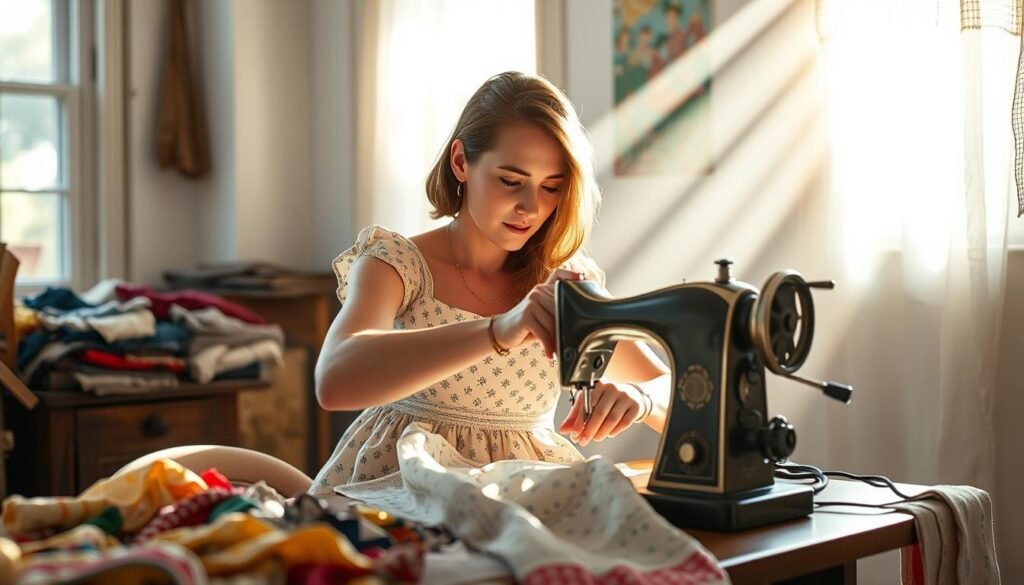
Sewing played a big role in keeping families together. Through activities like sewing contests, families had fun and stayed connected. This built a tradition of creativity that lasted for years. It showed the importance of feed bag dresses in history.
| Key Features | Impact on Women | Community Benefits |
|---|---|---|
| Creativity and Self-Expression | Enhanced confidence and skill sets | Built strong social networks |
| Resourcefulness with Materials | Promoted empowerment through sewing | Encouraged collaboration and sharing |
| Fashion from Necessity | Fostered independence and creative pride | Strengthened community resilience |
These efforts brought women not just empowerment through sewing, but a sense of community. The creativity of feed bag dresses stands as proof of their strength during the Great Depression.
National Trends and Cultural Significance
Flour sack dresses became a trend during the Great Depression. They were more than just affordable clothing. Women used this fashion to show off their creativity and sewing skills.
Competing in Sewing Contests
Women loved sewing contests to display their talents. They transformed flour sacks into beautiful dresses for these events. It made them proud and led to competitions at local and state levels.
The contests were important for women. They provided a way to gain recognition and brought women together. Magazines and newspapers often featured the winners, spreading word about feed sack fashion.
Promoting Feed Sack Fashion through Advertising
Seeing the clothing potential of feed sacks, companies started to market them creatively. Gingham Girl flour, for example, used vibrant sacks as a selling point. They even placed ads with dress illustrations in popular magazines.
These promotions made feed sack fashion trendy. They changed it from a necessity to a stylish choice. This trend has echoed through time, influencing today’s vintage fashion.
| Year | Event/Trend | Cultural Significance |
|---|---|---|
| 1800s | Initial use of cloth sacks | Innovative transport method |
| Mid-1800s | Rise of printed flour sacks | Attraction for female consumers |
| 1930s | Sewing as a community activity | Empowerment through creativity |
| 1951 | Marilyn Monroe’s potato sack photo | Iconic representation of resourcefulness |
Legacy of Flour Sack Dresses After the War
After World War II ended, people stopped making clothes from flour sacks as much. This happened because clothes made in factories became very popular. Even though these homemade dresses became less common, they left a big impact on fashion after the war.
Post-War Fashion and the Decline of Feed Sacks
After the war, America started to see better times. People began buying clothes made in factories because it was easy and modern. But many still loved the unique designs and the smart way flour sack dresses were made.
These designs and their creative beginnings stayed loved by many. Some post-war fashion trends still show hints of these dresses.
Continued Interest in Vintage Feed Sack Clothing
Lately, people have started loving vintage feed sack clothes again. Collectors and those who love fashion enjoy the special patterns and their stories. At vintage fashion events, these clothes are often showcased because they’re so special.
This shows how the love for flour sack dresses has lasted over time. It even inspires today’s fashion, keeping an important part of American history alive.
| Decade | Fashion Trends | Feed Sack Influence |
|---|---|---|
| 1930s | Resourceful sewing, patterns from magazines | Flour sacks as fabric for children’s clothing |
| 1940s | Homemade clothing during wartime | Rise in popularity of feed sack dresses |
| 1950s | Shift towards ready-made styles | Decline in feed sack clothing popularity |
| 2020s | Resurgence of vintage fashion | Revived interest in feed sack patterns |
Conclusion
The story of flour sack dresses from the Great Depression is truly inspiring. It shows us resilience and smart thinking. Women turned simple feed sacks into beautiful dresses. This was not just about fashion but about making do during hard times.
These dresses told a story of identity and self-reliance. They were more than just clothes. They were a sign of creativity during a time of need. Oral stories from those alive from 1906 to 1946 bring these memories to life.
In the ’40s, flour sack dresses weren’t just practical. They were stylish too. Women took pride in the bright patterns. What was once a basic necessity became a fashion statement. It showed their strength.
The legacy of these dresses reminds us of the power of creativity and saving. Reflecting on this past, we learn. True beauty in clothing comes from the stories it tells. This idea still influences fashion today.