Is the pain in your chest more than stress? It could be a sign of PR depression pericarditis. This condition impacts both your body and mind. This guide will help you understand pericarditis symptoms and treatment options. Acute pericarditis is the most common type, affecting many. It’s diagnosed in about 0.1% of chest pain cases in hospitals. So, knowing the signs can lead to early treatment.
Inflammation of the pericardium can cause serious health issues. These include chest pain and possibly heart failure. Recognizing symptoms early can lead to quick recovery instead of long-term pain. If you’re feeling down, a depression test might help understand your overall health.
Key Takeaways
- PR depression pericarditis involves inflammation of the pericardium, impacting both physical and mental health.
- Common symptoms include sharp chest pain, with an incidence rate in acute cases reaching over 85%.
- Recognition of symptoms is vital, as approximately 30% of patients experience a recurrence after their first episode.
- Patients aged 20 to 50 are most commonly affected, underscoring the importance of awareness in this demographic.
- Diagnostic criteria for pericarditis include characteristic chest pain and electrocardiographic changes.
- Understanding treatment options can significantly enhance health outcomes and quality of life.
Understanding Pericarditis and Its Causes
Pericarditis is when the pericardium, which protects the heart, gets inflamed. This ailment often leads to sharp chest pain. It mostly affects men who are between 20 to 50 years old. Knowing the causes of pericarditis is crucial for managing it well.
What is Pericarditis?
This condition means the pericardium is inflamed, causing severe chest pain and discomfort. Spotting this condition early helps a lot in treating it effectively.
Common Causes of Pericardial Inflammation
Many reasons can make the pericardium inflamed. Let’s look at some common ones:
- Viral infections cause 1-10% of the cases
- Bacterial infections, like those from Streptococcus pneumoniae and Staphylococcus, account for 1-8%
- Post-cardiac injury scenarios are about 20%
- Chronic idiopathic pericarditis, where the cause is unknown for months, makes up 26% to 86%
The variety of causes of pericarditis underlines the need for detailed diagnosis.
Systemic Diseases Leading to Pericarditis
Different systemic diseases can also lead to pericarditis. These include uremia and autoimmune disorders. For example, inflammatory disorders lead to 28% of pericarditis in kids. This shows how diverse the impact of this disease is.
For more on pericarditis, including diagnosis and other influences, see this guide.
Symptoms of PR Depression Pericarditis
Know the symptoms of PR depression pericarditis is key to getting help fast. A common sign is chest pain. There are other signs too. Figuring out these signs is vital to tell it apart from similar issues.
Chest Pain Characteristics
Chest pain from this condition is usually sharp. It can feel worse when you breathe deeply or lie down. It may also move to your shoulders or neck.
Other Common Symptoms
Many people also feel short of breath. This happens when the pericardium, an area near the heart, gets swollen. Feeling very tired for no clear reason is also usual.
Symptoms Indicative of Severe Cases
Severe cases show stronger signs, like fever. Low blood pressure and lots of fluid around the heart are other signs. These serious symptoms mean you should see a doctor right away.
Diagnosing PR Depression Pericarditis
Diagnosing pericarditis needs specific criteria and methods. This helps to tell it apart from other heart issues.
Key Diagnostic Criteria
Pericarditis diagnosis leans on at least two of these signs:
- Characteristic chest pain
- Detection of a pericardial rub during examination
- ECG changes, like ST elevation or PR segment depression
- New pericardial effusion seen in images
In myopericarditis, research shows PR depression in any lead is highly sensitive (88.2%). It highlights the role of ECG in diagnosing pericarditis.
Diagnostic Tests and Procedures
Important tests for spotting pericarditis are:
| Diagnostic Test | Purpose |
|---|---|
| Transthoracic Echocardiography | To look for pericardial effusion and cardiac tamponade |
| Electrocardiogram (ECG) | To spot typical ECG changes like ST elevation and PR segment depression |
| Cardiac Enzymes | To check for heart muscle damage |
| Laboratory Tests | To check for signs of inflammation |
Knowing these diagnostic tests helps differentiate pericarditis from other heart issues. For deeper ECG insights, check this detailed resource.
Pericardial Effusion: Implications and Risks
Pericardial effusion is when fluid builds up in the pericardial sac. It often comes from pericarditis. Knowing about pericardial effusion helps in handling it well because the fluid can cause severe health problems.
Understanding Pericardial Effusion
Many things, like infections, chronic diseases, or injuries, can cause this fluid buildup. Sometimes, people with pericardial effusion don’t show signs right away. That’s why doctors need to keep a close eye on them. If too much fluid gathers, it can press on the heart and lead to cardiac tamponade. This serious issue stops the heart from pumping well.
Symptoms of Pericardial Effusion
How pericardial effusion shows can vary. People often feel:
- Shortness of breath, especially when they’re lying down
- A dull ache or discomfort in their chest
- Heartbeats that seem too fast or irregular
If the fluid gets to be too much, the symptoms can get worse. This means it’s urgent to get medical help. It’s key to spot these signs early. This way, people can tell a minor issue from a big emergency that needs quick action.
Treatment Options for PR Depression Pericarditis
Managing PR depression pericarditis focuses on easing symptoms and fighting inflammation. The main treatments start with non-steroidal anti-inflammatory drugs (NSAIDs). These drugs are the base of the therapy.
Medications for Managing Symptoms
Ibuprofen, aspirin, and indomethacin are key for symptom relief. Colchicine also plays a big part by preventing more episodes, especially in those at greater risk. Without colchicine, up to 30% of patients could have another bout of pericarditis.
Role of Anti-inflammatory Medications
NSAIDs are crucial for handling the pericarditis inflammation. For those not helped by these, low-dose steroids are another route. When those don’t work, doctors may turn to stronger steroids with colchicine, or try anakinra, an interleukin-1 blocker.
Additional Therapeutic Approaches
For tough cases, doctors might use azathioprine. They keep an eye on the treatment with ECGs and imaging. Making a detailed medication plan is key to better health.
Managing Complications of Pericarditis
It’s really important to handle pericarditis issues well to help patients get better. About 30% of people might get it again within a year of their first episode. It’s key to spot and tackle risk factors early on.
This often means dealing with incomplete treatments and other illnesses that could worsen health.
Risk of Recurrence
Getting pericarditis more than once is a big worry. Each time it happens, complications could get worse. Viruses are usually to blame, but in some places, tuberculosis might cause it too.
Things like cancer or autoimmune diseases can also make it come back. Knowing what risks exist can help in preventing it.
Identifying and Managing Acute Complications
Right after pericarditis shows up, quick action is needed for acute issues. Cardiac tamponade is one such emergency, needing fast response. Catching these problems early helps a lot in treating them, which stops long-term damage.
Treatments might include procedures like pericardiocentesis to remove fluid pressing on the heart.
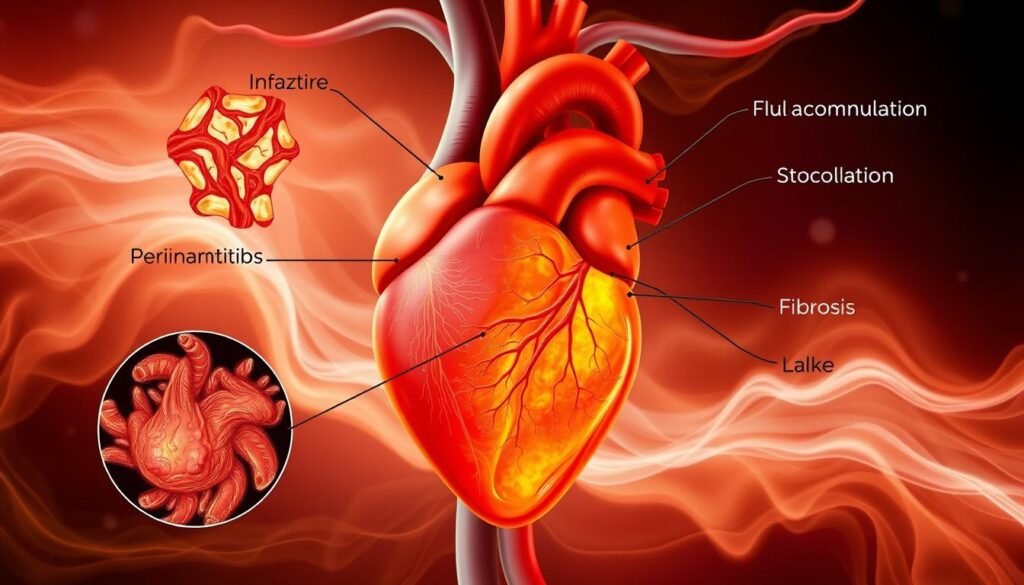
To manage pericarditis issues well, a combined strategy is needed. This includes drugs, watching health closely, and teaching patients. Lowering inflammation and spotting early signs of trouble can make a big difference in life quality.
Doctors should look at the newest guides and research for the best care methods. For deeper insights into how to diagnose and treat this, you can look here.
| Risk Factors | Description |
|---|---|
| Incomplete Treatment | Patients who do not complete their prescribed therapies face a higher risk of recurrence. |
| Underlying Systemic Conditions | Chronic illnesses such as autoimmune disorders can complicate recovery. |
| Infectious Factors | Viral infections are the most common cause of acute pericarditis. |
| Trauma History | Individuals with previous heart injuries or surgeries may experience higher recurrence rates. |
| Cardiac Tamponade | A severe complication that requires urgent intervention to relieve pressure on the heart. |
Long-term Outlook and Prognosis
The outlook for people with PR depression pericarditis is mostly good. There’s a small risk, less than 0.5%, of getting constrictive pericarditis for those with unclear causes. Outcomes can vary for each person, so it’s important to look at what might affect their recovery. Knowing about pericarditis and its future effects helps in setting realistic expectations.
Prognosis for Patients with PR Depression Pericarditis
Many patients have a hopeful future. About 86% had no recurrence after one year. Still, 16% had a recurrence, with an average of two times per person. The first treatment response, whether cardiac tamponade was present at diagnosis, and the type of pericarditis matter a lot for future health.
Factors Affecting Recovery
Several things can impact how someone recovers from PR depression pericarditis:
- Age: Younger people often recover better.
- Initial Treatment Response: Quick improvement after starting treatment is a good sign for the future.
- Underlying Conditions: Having other health problems can change the recovery outlook.
- Recurrence Rate: More recurrences can mean more problems, especially if they happen often.
Usually, symptoms go away in 4 to 6 weeks. But recurrent pericarditis can last about 3 years if it comes back many times. How you treat it is key. Starting colchicine early has been shown to lower the chance of it coming back.
| Factor | Impact on Recovery |
|---|---|
| Age | Younger patients generally experience a more favorable prognosis. |
| Initial Treatment Response | Effective initial treatment correlates with positive long-term outcomes. |
| Underlying Conditions | Presence of systemic diseases may complicate recovery. |
| Recurrence Rate | Higher recurrence rates can lead to complications and affect prognosis. |
Preventive Measures and Lifestyle Changes
Making effective lifestyle changes is key to stopping pericarditis from coming back. It’s important to take care of both your body and mind. Doing this can make your life better. It can also lower the chances of having the condition again. Here are some important steps for people dealing with this issue.
Tips for Reducing the Risk of Recurrence
- Engage in regular exercise, following the American Heart Association’s recommendation of 150 minutes of moderate-intensity aerobic activity weekly.
- Maintain a balanced diet rich in fruits, vegetables, whole grains, and lean proteins to support heart health.
- Avoid activities that may lead to chest injury or strain, protecting the chest area during physical exertion.
- Seek immediate medical attention for any recurrent symptoms like chest pressure or difficulty breathing, as early intervention is essential.
- Limit unhealthy habits such as smoking, excessive alcohol consumption, and a sedentary lifestyle.
- Stay diligent with taking prescribed medications and attending regular medical check-ups to monitor heart health and adjust treatment as necessary.
Importance of Regular Monitoring
Regular check-ups are very important for those at risk of pericarditis. Up to 30% of people may have it again within 18 months after their first diagnosis. Regular checks help doctors find and deal with any problems early. They can change your treatment if needed. Having a routine for these visits can keep track of how you’re getting better. This helps make sure you stay on the right path.

| Activity | Recommendation |
|---|---|
| Exercise | 150 minutes of moderate-intensity aerobic activity weekly |
| Diet | Balanced diet rich in fruits, vegetables, whole grains, and lean proteins |
| Follow-up care | Regular medical check-ups to monitor heart health |
| Medication adherence | Ensure timely intake of prescribed medications |
Conclusion
Understanding how to manage pericarditis is key to diagnosing and treating it well. Spotting symptoms early makes a big difference for patients. Quick action is very important.
Using tests like echocardiograms and checking for inflammation markers are vital. They help find what’s causing the problem. This knowledge helps doctors and patients get to a good outcome faster.
Handling complications, like cancer or big pericardial effusions, is really important. Studies show PR segment changes in ECGs can warn us of cancer. This makes ECGs very useful and cost-effective.
In our final thoughts about pericarditis, being proactive is crucial. Making lifestyle changes and keeping an eye on symptoms reduces the chance it comes back. Staying focused on heart health helps patients enjoy life, even with pericarditis.