Did you know regular massage therapy can drop stress by up to 31%? This can deeply affect symptoms of anxiety and depression. In today’s world, where mental health is a big focus, many are turning to holistic methods for relief. Massage therapy is a popular choice. It merges the healing touch with ancient relaxation techniques from different cultures. A relaxation massage doesn’t just offer immediate ease. It also has lasting effects, like releasing happiness-inducing endorphins and neurotransmitters such as serotonin and dopamine. As we look for effective ways to boost our mental health, it’s important to see massage as an aid, not a sole solution. It should work alongside professional mental health care. This article explores how different massage therapies can help bring peace and emotional stability.
Key Takeaways
- Regular massage therapy can significantly lower general and targeted stress levels.
- Endorphins released during massage enhance feelings of happiness and relaxation.
- Massage therapy can reduce symptoms of both anxiety and depression.
- Different types of massages, like Swedish and aromatherapy, cater to various mental health needs.
- Professional help should accompany massage therapy for optimal mental health management.
Understanding Anxiety and Depression
It’s key to know how complex anxiety and depression are for mental health awareness. Anxiety shows up with symptoms like muscle tightness, headaches, and lots of stress. People may feel really worried or scared, making daily life hard.
Depression looks different, often with ongoing sadness, tiredness, and no drive to do things. This makes simple tasks seem too much for those with depression.
Often, people deal with both anxiety and depression, making it harder to figure out and treat. This mix of feelings makes it even more important to understand depression understanding. It creates a tough cycle of negativity that affects someone’s well-being. Good news is, there are ways to treat these issues, like therapy and medicine.
Research points out how important treatments like massages are for anxiety relief. Studies show that massage therapy can help a lot. It lessens the stress signs and makes people feel peaceful. Adding massage to usual treatment plans improves emotional strength and helps in recovering.
To learn more about massage therapy’s role in mental health, there are lots of resources. They include success stories from the National Center for Complementary and Integrative. Knowing about and tackling these conditions can make treatments work better and boost mental health.
| Condition | Common Symptoms | Treatment Options |
|---|---|---|
| Anxiety | Muscle tension, irritability, restlessness | Therapy, medication, massage therapy |
| Depression | Persistent sadness, fatigue, loss of interest | Therapy, medication, massage therapy |
The Role of Massage Therapy in Managing Mental Health
Massage therapy for mental health is a key help for those with anxiety and depression. It’s not just about physical relaxation. It also improves mental health. Studies prove regular massage helps people feel better overall, especially with anxiety and depression symptoms.
One big benefit of massage for depression is how it affects the body. It lowers cortisol, fighting stress. With anxiety leading global disability, finding ways to chill is key. Massage boosts endorphins too, making us feel happy and less stressed.
Massage therapy believes in the mind-body link. It relaxes you, which improves mental well-being. Research shows massage lowers pain and boosts mood. Those with chronic pain or fibromyalgia feel less anxious after massage.
Having massages often brings lasting perks. It enhances sleep and mood. For those facing mental health problems, it offers a full care plan. This plan helps stay strong through tough times.
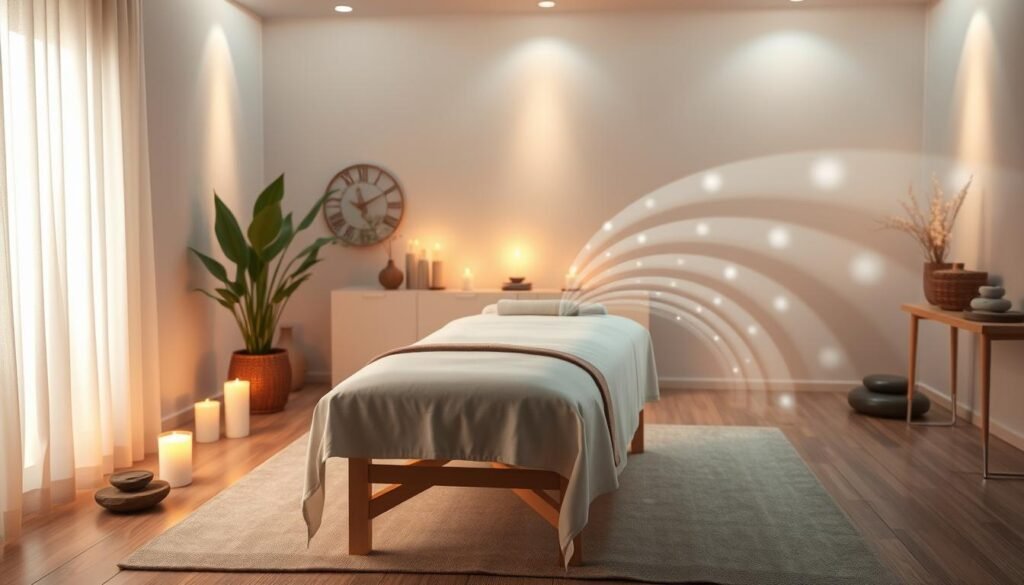
| Massage Effects | Physiological Changes | Mental Health Benefits |
|---|---|---|
| Lowered Cortisol | Reduces stress levels | Alleviation of anxiety symptoms |
| Increased Endorphins | Improves mood | Decreased feelings of depression |
| Enhanced Relaxation | Promotes deeper sleep | Boosts overall well-being |
| Reduced Pain | Chronic pain management | Improvement in quality of life |
Best Massage for Anxiety and Depression
Massage therapy is great for easing anxiety and depression. It focuses on making your body relax and your mind feel better. It offers a full approach to tackle mental health problems.
Key Benefits of Massage Therapy
Many dealing with anxiety and depression struggle with sadness, being very tired, and not sleeping well. The right massage for these issues helps lessen these symptoms. It uses special massage practices focused on stress and anxiety. Key advantages include:
- Improved relaxation that softens muscle tightness.
- Enhanced mood and energy levels through endorphin release.
- Better sleep quality by fixing common sleep issues tied to depression.
How Massage Alleviates Symptoms of Anxiety
Massage lowers stress by cutting down cortisol levels. Swedish and deep tissue massages are great for relaxing stiff muscles. They also help bring about peace of mind. Studies show such massages increase serotonin levels, which cuts down on stress. A cozy therapy setting, with relaxing music and soft lighting, boosts the comfort level. This helps people deal with anxiety better.
Impact of Massage on Depression
Massage does more than just ease physical tension; it can also help heal emotionally. Getting massages regularly can lift your mood. It can help fight off tiredness and make you feel better overall. The warm touch during a massage can give a much-needed sense of closeness for those feeling down. Also, using aromatherapy in massages can make you relax more deeply and stay mindful. This makes the therapy even more effective.
It’s useful to learn how massage therapy can help with depression. For more information, check out this link.
Types of Massage Therapy for Anxiety and Depression
Many massages can help ease anxiety and depression. Each one has unique perks for different needs. Knowing about them helps pick the right massage for you.
Swedish Massage
Swedish massage is a top pick for many. It lasts 35 to 90 minutes, using gentle strokes and kneading. It’s great for calming the mind and bringing a sense of peace.
Deep Tissue Massage
Deep tissue massage goes deeper than Swedish massage, targeting deep muscles and tissues. It’s good for long-term muscle pain linked to anxiety. This massage helps relax thoroughly.
Aromatherapy Massage
Aromatherapy massage uses special oils for stress and anxiety. These oils help relax muscles too. It’s really good for those feeling down.
Hot Stone Massage
Hot stone massage uses warm stones for relief. It’s better than Swedish massage for melting away tension. Warmth from the stones soothes your mind and body.
Reflexology
Reflexology targets pressure points in your feet, hands, and ears. It boosts energy and relaxes you. It’s great for balancing your body and mind.

| Type of Massage | Duration | Main Benefits |
|---|---|---|
| Swedish Massage | 35 to 90 minutes | Promotes relaxation and reduces anxiety |
| Deep Tissue Massage | 60 to 90 minutes | Relieves chronic pain and muscle tension |
| Aromatherapy Massage | 60 minutes | Enhances relaxation with essential oils |
| Hot Stone Massage | 60 to 90 minutes | Provides deep relaxation through heat |
| Reflexology | 30 to 60 minutes | Restores energy and reduces stress |
For more details on massage types, visit this resource. Learning about massages can help people find the right one for their mental health.
Choosing the Right Massage for You
Finding the best massage for your needs is key to getting the most from it. Different massages have unique benefits. Talking with a skilled massage therapist can help. They will match the treatment to your specific issues. This makes sure you pick the right massage for you.
Consulting with a Professional
It’s vital to start with a pro when you want a massage for anxiety relief. A skilled therapist will look at what you need and want. They’ll make a plan just for you. This chat should cover:
- Current stress and anxiety levels
- Specific areas needing focus
- Your past massage experiences
- What you hope to get from the session
This helps in picking a massage that fits you best. It could be the light touch of a Swedish massage. Or the stronger deep tissue massage.
Understanding Your Needs and Preferences
Knowing what you want makes the massage better. Think about:
- How much pressure you like: light like Swedish massage or firmer like deep tissue.
- Your main goals: easing muscle tightness, stress, or anxiety.
- How often you plan to get a massage: regularly or now and then.
- If you have a preference for the therapist’s gender.
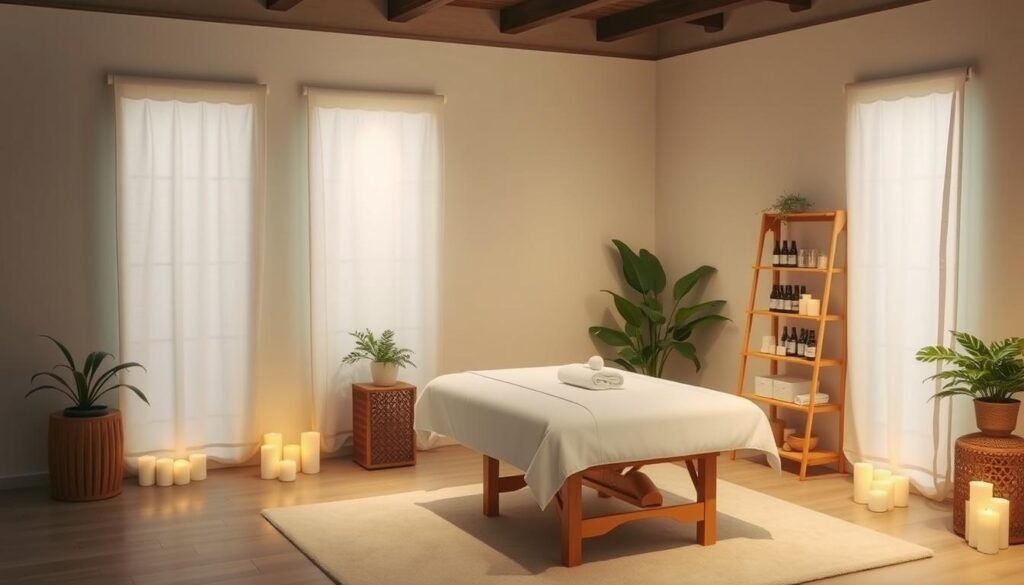
Understanding these points helps you make a smart choice. It ensures your massage is effective and helps your well-being.
Benefits of Regular Massage Therapy
Getting massages regularly is great for your health, especially for your mind. More than just making you relaxed, it can better your life in big ways. Let’s look at how steady massage sessions can boost your mental health.
Improved Sleep Quality
Regular massages can help you sleep better. They ease muscle tension and help you relax, which makes falling and staying asleep easier. Better sleep also means better mental health, helping you become more emotionally strong.
Enhanced Relaxation and Mindfulness
Massage therapy helps you be mindful and live in the moment. This focus cuts down on worry and makes you feel calm. By helping you relax, massages improve your emotional health, making them key for good self-care.
Boosted Mood Through Endorphin Release
Massages boost your mood by making your body release endorphins. These are chemicals that make you feel happy. Therefore, massage is good for tackling sadness or anxiety, adding to the ways you manage your feelings.
| Benefit | Description |
|---|---|
| Improved Sleep Quality | Reduces tension to promote better sleep, which is crucial for mental resilience. |
| Enhanced Relaxation | Fosters mindfulness helping individuals to stay present and reduce anxiety. |
| Boosted Mood | Stimulates endorphin release, elevating mood and mitigating depression symptoms. |
Acupressure Techniques for Anxiety Relief
Acupressure comes from traditional Chinese medicine. It helps manage anxiety by pressing specific body points. These techniques can be part of your self-care routine for stress relief.
Effective Pressure Points to Alleviate Anxiety
Using the right pressure points can help reduce anxiety. Key points include:
- Yin Tang (Extra-1): Found between the eyebrows, it calms the mind.
- Heavenly Gate (Pericardium 8): Located at the wrist center, it eases anxiety and brings emotional balance.
- Neck and Shoulder Area: Pressing here helps let go of stress-induced tension.
Acupressure can offer quick relief in stressful times, like medical procedures. A 2015 study showed that patients using real acupressure felt less anxious than those who didn’t. For more details, visit this resource.
Carrying Out Self-Acupressure
Doing acupressure at home is easy and only needs your fingertips. Here are the steps:
- Choose the pressure point to focus on.
- Press it gently yet firmly with your thumb or fingers.
- Keep the pressure for 30 seconds, taking deep breaths.
- Repeat as needed, especially when you’re more anxious or during the day.
Acupressure is a useful way to battle anxiety. It’s not a full substitute for professional help, but it’s a great immediate option. To learn more about calming techniques, check out mindfulness and deep breathing in this article.
How to Incorporate Massage Therapy into Your Routine
Adding massage therapy to daily life can improve your mental health. It’s crucial to pick the right massage therapist for a safe and effective experience. Look for recommendations or check online reviews. Professionals from places like MassageLuXe are licensed and focus on your health and comfort. They offer services that fit your personal needs.
Finding the Right Massage Therapist
Talking with your massage therapist is important. Share your goals, any specific problems, and discomforts during the first meeting. This conversation makes sure the therapy fits your needs. It helps in picking the right type of massage, like Swedish or deep tissue, to deal with anxiety and depression.
Establishing a Regular Schedule
Having a regular massage schedule brings more benefits. Whether it’s weekly or monthly, consistent massage helps manage anxiety and depression. It improves relaxation and lowers stress. Remember, massage is not just a treat but a key part of caring for yourself.