It’s hard to believe, but over 300 million people around the world suffer from depression. This high number shows why we need good treatments. Inpatient rehab for conditions like anxiety and depression is very important. It offers a safe place for deep healing. Patients get care day and night, tailored just for them. They explore treatments that mix therapy, medicine, and whole-body care.
The Ranch PA and Harmony Hills show how inpatient care can really change lives. They focus on feeling better emotionally. Patients learn new ways to handle tough emotions, understand their mental health better, and improve their happiness.
Key Takeaways
- Inpatient rehab provides a structured atmosphere for healing anxiety and depression.
- Over 300 million people globally face depression, highlighting the need for efficient treatment approaches.
- Facilities like The Ranch PA utilize personalized treatment plans tailored to individual needs.
- Intensive therapies include Cognitive Behavioral Therapy (CBT) and holistic healing practices.
- Round-the-clock professional support assures a safe environment for recovery.
- Inpatient care is crucial for individuals who cannot manage symptoms or have faced severe episodes.
Understanding Anxiety and Depression
Anxiety and depression are hard for those who have them. Knowing about each condition is key for good mental health treatment. Learning about symptoms and how to treat them is the first step to getting better.
What Are Anxiety Disorders?
Anxiety disorders come with constant worry and fear. They make daily tasks tough. Here are a few types:
- Generalized Anxiety Disorder (GAD) – you worry a lot about different things.
- Panic Disorder – involves sudden panic attacks with fear and physical signs.
- Social Anxiety Disorder – being scared of social scenes and feeling embarrassed.
About 17.2% of people might have an anxiety disorder each year. Over their lives, 24.9% could have one. Social phobia is the most common, with 13.3% of people facing it.
The Link Between Anxiety and Depression
Often, people have both anxiety and depression. This mix makes symptoms worse and treatment harder. People with anxiety might need depression therapy that deals with both issues.
Methods like Cognitive Behavioral Therapy (CBT) and certain medicines help with these problems. They treat symptoms of both anxiety and depression.
Finding the right treatment plan is key. It may include therapy, changing meds, and learning how to handle tough situations. Talk to a mental health expert who knows about anxiety and depression for the best advice.
Symptoms of Anxiety and Depression
Understanding the symptoms of anxiety and depression is key for effective help. Many people show similar symptoms, making diagnosis harder. Knowing these signs can help catch the issues early, improving recovery chances.
Common Symptoms of Depression
Major depressive disorder shows in both emotional and bodily ways. People may feel:
- Persistent sadness or irritability
- Loss of interest in once-loved activities
- Fatigue or feeling too tired
- Appetite changes, causing weight changes
- Trouble focusing and deciding
- Feelings of guilt or not being enough
- Thinking about death or suicide
Nearly half of those with depression also deal with anxiety. It’s key to spot these signs early for the right treatment. For deeper understanding, check the stages of depression.
Common Symptoms of Anxiety
Anxiety is a top mental health problem in the U.S., impacting around 40 million adults. Anxiety symptoms might include:
- Constant fear or worry that gets in the way of daily life
- Struggling to control irritability
- Issues with sleeping, like insomnia
- Physical signs like headaches, nausea, or fast heartbeat
- Always feeling tired, affecting work and social life
Having both anxiety and depression can lead to serious issues, like a higher suicide risk and drug problems. Spotting anxiety symptoms early is crucial for proper mental health care.
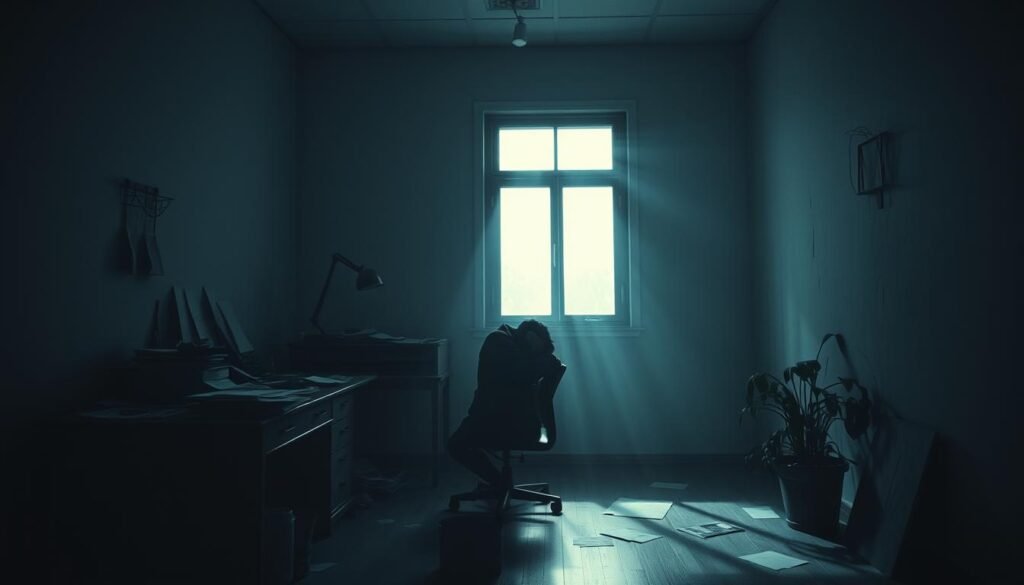
Importance of Mental Health Treatment
Mental health treatment is key in dealing with anxiety and depression. It’s the first step towards getting better. With the right help, people can find their way to wellness.
The Role of Professional Help
Professionals are critical in treating mental health issues. They offer support and ways to manage anxiety and depression. With their help, individuals get personalized plans that improve life quality.
These plans often include depression therapy. This therapy gives people steps to follow and helps them heal.
Why Treatment Matters
Inpatient rehab offers a safe space for recovery. It gives round-the-clock care and many helpful activities. This kind of support leads to better recovery rates.
Choosing to seek help is a big step towards healing. With professional care, people have a much better chance at overcoming their struggles.

| Study | Findings |
|---|---|
| REAL Project | 55% of patients successfully discharged within 12 months; median length of stay was 16 months. |
| QuEST Project | 38% progressed from higher to lower supported settings over 30 months. |
| Killaspy and Zis Study | 40% of 141 patients made progress along the rehabilitation pathway over 5 years. |
| Danish Case Register Study | Inpatient service use reduced post-move to supported accommodation. |
Inpatient Rehab for Anxiety and Depression
Inpatient rehab for anxiety and depression provides a safe space for recovery. Participants engage in daily therapy and practice relaxation techniques. It’s a place where community living and peer support are key to healing.
What to Expect in Inpatient Rehab
Entering inpatient rehab means joining a thorough program. It’s designed for various mental health issues. Participants will:
- Have a stable daily routine.
- Meet certified mental health experts.
- Try Cognitive Behavioral Therapy (CBT) and other proven therapies.
- Join group therapy for peer support.
- Get help managing their medication correctly.
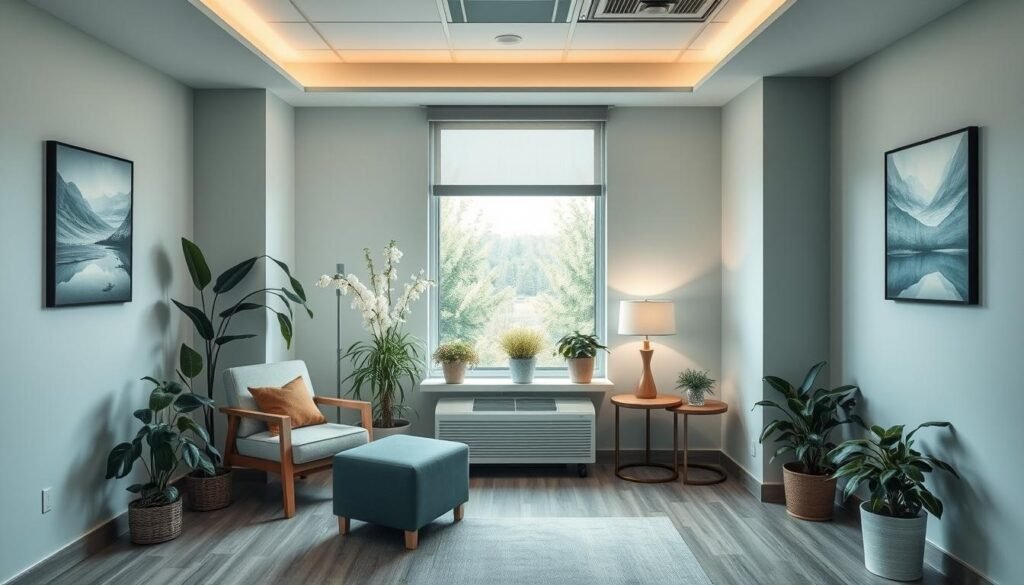
Benefits of Inpatient Treatment
The perks of inpatient care are long-lasting. People often find improvements in:
| Benefit | Description |
|---|---|
| Intensive Support | Round-the-clock care in a secure setting. |
| Structured Environment | Routines that reduce interruptions and aid focus. |
| Holistic Approaches | Therapies for mental and physical health. |
| Community Living | Chances to bond with peers in similar situations. |
Who Should Consider Inpatient Rehab?
Inpatient rehab fits those with acute anxiety or depression. It’s especially helpful for people with:
- Other disorders, like substance abuse.
- Limited support outside treatment.
- Thoughts of self-harm or suicide.
- Little improvement in other treatments.
Choosing inpatient rehab for anxiety and depression is a vital move towards lasting recovery.
Therapeutic Approaches Used in Inpatient Treatment
Inpatient treatment for anxiety and depression includes many therapeutic methods. Therapies like cognitive behavioral therapy (CBT), holistic healing, and personal treatment plans are vital. They help people regain control over their lives and start to recover.
Cognitive Behavioral Therapy (CBT)
Cognitive behavioral therapy (CBT) is a key method for treating anxiety and depression. It aims to change negative thoughts that cause distress. Patients learn to recognize these thoughts and deal with them better. In inpatient settings, CBT is very helpful. It provides ongoing support and specific help for each person.
Holistic Healing Practices
Holistic healing treats the mind, body, and spirit together. It includes mindfulness, yoga, and advice on eating well to improve overall health. These practices help patients understand their emotional pain more fully. They stress the need for a balanced life. This helps make standard therapies like CBT even more effective.
Individualized Treatment Plans
Since everyone’s experience with anxiety and depression is unique, personalized care is essential. Custom treatment plans address each person’s specific needs. They often blend different methods, including CBT and holistic healing. This way, treatment feels right for each patient. For more info on these plans, check out Psyclarity Health’s resources.
| Therapeutic Approach | Description | Benefits |
|---|---|---|
| Cognitive Behavioral Therapy | A structured, time-limited therapy that addresses negative thought patterns. | Enhances emotional regulation and resilience. |
| Holistic Healing | Combines physical, emotional, and spiritual health practices. | Promotes overall wellbeing and balance in life. |
| Individualized Treatment Plans | Custom-tailored therapy strategies based on personal needs. | Ensures relevance and effectiveness in treatment. |
Residential Psychiatric Care Explained
Residential psychiatric care is designed for those facing tough times with severe anxiety and depression. Unlike outpatient care, it offers a structured place that helps individuals heal emotionally. People in this program get 24/7 support and access to customized therapeutic services.
What Makes Residential Care Different?
Here’s what sets residential care apart:
- It uses deep assessments with tools like brain scans and psychological tests.
- Patients get many services, from psychotherapy to holistic therapies.
- The healing environment is filled with constant support from professionals.
- There’s a big focus on diagnosing and treating serious mental health issues.
The Structure of Residential Programs
Residential programs have stays from 10 to over 28 days, based on what people need. Places like the Lindner Center of Hope offer a homely feel, making patients feel safe. They also focus on aftercare, helping people maintain their emotional health after the program.
Outpatient Options for Mental Health Recovery
Outpatient treatment gives a different way for people to work on their mental health recovery. The intensive outpatient program (IOP) is a flexible option. It’s for those done with inpatient care or those not needing 24/7 treatment. IOPs help patients while they keep up with their day-to-day lives.
Understanding Intensive Outpatient Programs (IOP)
The intensive outpatient program (IOP) helps people ease back into their regular routines. It includes therapy sessions three to five times a week, each lasting about three hours. These sessions mix group and individual therapy for better mental health support. At places like Clear Behavioral Health, clients get a mix of therapies like Cognitive Behavioral Therapy (CBT) and dialectical behavior therapy (DBT). They are customized to meet each person’s needs. Clients get personal plans to tackle their unique challenges, aiding their mental health recovery.
When Outpatient Treatment Is Appropriate
Outpatient treatment works well for people who’ve learned coping strategies in prior inpatient programs or who have manageable symptoms. It suits those balancing work or home duties but who need continuous support. Clear Behavioral Health gradually moves clients from partial hospitalization programs (PHP) to IOP. This helps them adjust at their own pace, remain independent, and still have access to important resources. Moving to outpatient care strengthens what they’ve learned and offers tools to avoid relapse. This keeps the focus on maintaining mental health.
| Aspect | Intensive Outpatient Program (IOP) | Partial Hospitalization Program (PHP) |
|---|---|---|
| Frequency | 3-5 days per week | 5 days per week |
| Duration | 3 hours per session | 6 hours per day |
| Type of Therapy | Group and Individual | Group and Individual |
| Focus | Step down from inpatient care | Structured care for stabilization |
| Ideal for | Those transitioning to independence | Those requiring more intensive supervision |
An intensive outpatient program is key in the journey of mental health recovery. It offers the support and skills people need for daily life. For more tips on depression and anxiety recovery, click here.
Holistic Healing and Emotional Wellness
Using holistic healing in mental health care offers a full way to emotional well-being. SoCal Empowered in Orange County, California, features different therapy types. These include art therapy, mindfulness, and ecotherapy. These methods connect the mind, body, and spirit. They help people find many ways to get better.
Integrative Approaches in Mental Health Treatment
Holistic therapy focuses on what’s happening now. It helps people deal with anxiety, depression, and pain. You’ll find yoga, cognitive therapy, and unique options like art therapy at these centers. D’Amore Healthcare® provides a 2-to-1 staff-to-patient ratio. This means everyone gets the specific help they need all day and night.
Benefits of Holistic Healing
There’s more to holistic healing than just feeling better. It helps you deeply connect with yourself. People do activities and use journaling to grow emotionally. Using these methods with standard treatments helps patients at D’Amore Healthcare® find true and lasting healing.