Major Depressive Disorder affects about 16 million adults in the U.S. This makes it a major concern for mental health experts. It’s important to know the differences between two main mood issues: dysthymia (or persistent depressive disorder) and major depressive disorder. While both can really change someone’s life, they each have their own signs and effects.
Dysthymia is different because its symptoms last for over two years. About 75% of people with dysthymia will also face major depression at some point. This situation is called “double depression.” This piece aims to make these mood disorders clearer. It will cover what they are, their symptoms, what causes them, and how they can be treated.
Key Takeaways
- Dysthymia symptoms last for at least two years.
- Major Depressive Disorder is prevalent among adults in the U.S.
- Many individuals with dysthymia experience major depressive episodes.
- Understanding the differences can aid in effective treatment.
- Both disorders can severely impact daily living.
What are Mood Disorders?
Mood disorders include different kinds of mental health issues. They mainly cause big issues with how we handle emotions. People with these conditions might feel very sad, angry, or hopeless. These feelings can get in the way of everyday activities. Major depressive disorder, dysthymia, and bipolar disorder are common types.
In the United States, these disorders affect many people. About 16.2 million adults have had a major depressive episode. Around 1.5% of adults, especially women, suffer from persistent depressive disorder (dysthymia). It’s important to know how each mood disorder is different. This helps doctors and patients find the best treatment.
Many things can cause mood disorders. These include chemical imbalances in the brain, constant stress, and difficult events in life. Treatments often mix therapy, medicine, and support from others. Getting help early is key. It can really improve how someone with a mood disorder feels and lives. More about mood disorders can be found here.
Understanding the differences between types of mood disorders is important. For example, knowing the difference between major depression and dysthymia is key. This helps people recognize their symptoms early on. They can get the right help sooner. You can learn more about these conditions here.
Defining Dysthymia (Persistent Depressive Disorder)
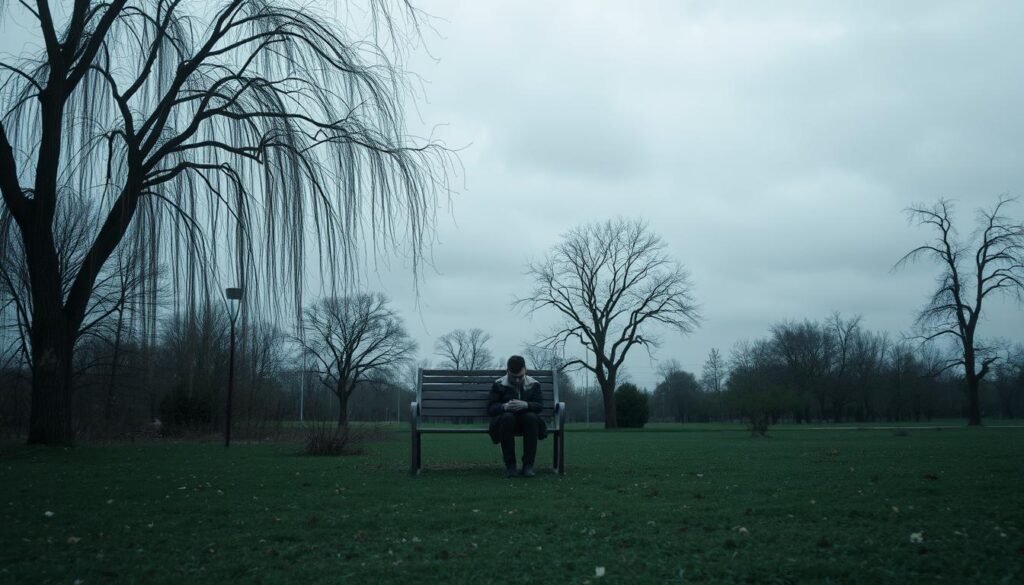
Dysthymia, also known as persistent depressive disorder, is hard for those affected. Its symptoms are subtle but they deeply affect people’s lives. Adults with dysthymia feel depressed for two years or more. This makes it a long-term depression that can hurt how well someone functions day to day.
Characteristics of Dysthymia
The signs of dysthymia may not be as strong as major depression, but they last a long time and can be found everywhere in someone’s life. People with dysthymia might have:
- Low energy levels, making simple tasks hard.
- Feelings of low self-esteem, which affects how they interact with others.
- Problems focusing, which can make school or work difficult.
- Ongoing feelings of hopelessness, making the depression feel even worse.
About 1.5% of U.S. adults had persistent depressive disorder last year. That shows it’s quite common. Of them, almost half said it really messed with their lives, showing how tough it can be.
How Dysthymia Affects Daily Life
Dysthymia can really mess with everyday life and happiness. Its long-lasting effects can lead to:
- Hard times keeping up relationships because of feeling numb or too tired.
- Problems at work, which may slow down a person’s career.
- Less interest in hobbies, since it’s hard to stay motivated.
The number of people with persistent depressive disorder changes with age. It’s more common in middle-aged adults. Knowing this can help us support and treat people living with this tough form of depression better.
Defining Depression (Major Depressive Disorder)
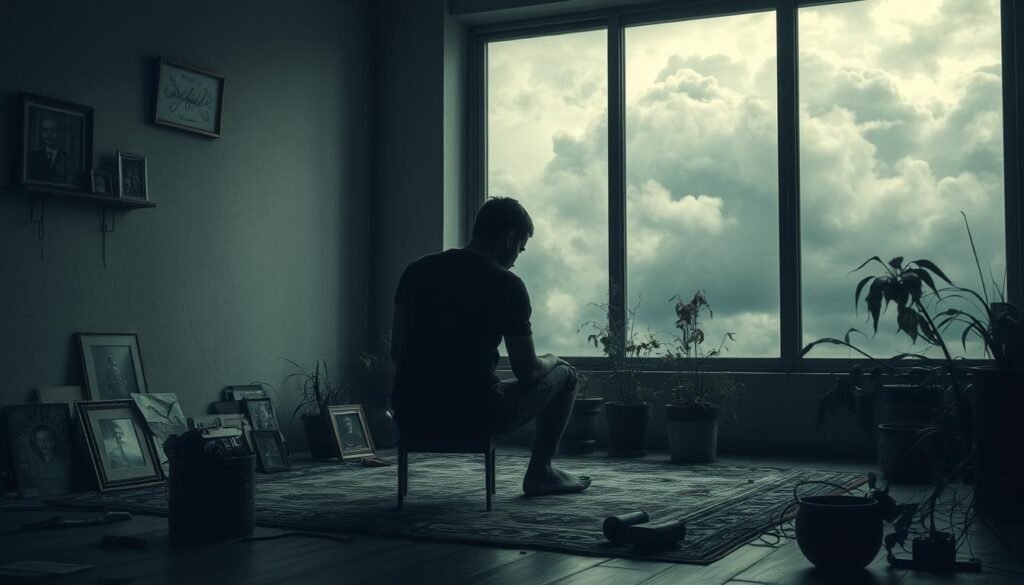
Major depressive disorder (MDD) is a serious mental health issue. It makes people feel very sad and uninterested in daily activities. If someone shows five or more signs of depression for over two weeks, they might have MDD. This condition can seriously affect someone’s emotions, making everyday life tough.
Characteristics of Major Depressive Disorder
People with major depressive disorder often face different symptoms, such as:
- Prolonged feelings of sadness or emptiness
- Loss of interest or pleasure in activities
- Sleep disturbances, including insomnia or excessive sleeping
- Changes in appetite, leading to weight loss or gain
- Fatigue or loss of energy
- Feelings of worthlessness or excessive guilt
- Difficulty concentrating or making decisions
- Recurrent thoughts of death or suicide
Nearly 17.3 million adults in the U.S. battle this mental health condition. Each year, about 2.8% of adults face major depression. Women are diagnosed more often than men. Men might show irritability instead of sadness.
Impact of MDD on Personal Relationships
Major depressive disorder also affects relationships. It can make connecting with loved ones hard. Emotional struggles due to MDD might cause misunderstandings, leaving friends and family feeling helpless. It’s tough for affected people to keep up relationships when they withdraw or change moods often.
It’s key to understand how MDD impacts relationships to help. Friends and family are crucial to recovery. Talking openly can help loved ones understand the battle against MDD better.
Dysthymia vs Depression: Key Differences

The differences between dysthymia and depression mainly focus on how long symptoms last and their intensity. Dysthymia, also known as persistent depressive disorder (PDD), is a long-term type of depression. It usually goes on for years. People with dysthymia have fewer symptoms, leading to constant sadness but not the severe episodes seen in major depressive disorder (MDD).
On the other hand, major depressive disorder involves more intense and short-term symptoms. These can greatly disrupt daily life. Someone with MDD might have episodes that last for at least two weeks. During this time, they can struggle a lot in both their personal and work life. The key difference is that MDD often affects a person’s ability to function right away more drastically.
Talking about how long symptoms last can highlight the differences. Dysthymia’s symptoms are ongoing, unlike MDD’s short-lived episodes. This leads to “double depression,” where someone with PDD also gets episodes of MDD, making treatment harder. Studies show that 75% of people with PDD end up facing both conditions at some point.
To further outline the differences, here’s a table summarizing the main points:
| Aspect | Dysthymia (PDD) | Major Depressive Disorder (MDD) |
|---|---|---|
| Duration | At least 2 years | At least 2 weeks |
| Symptom Severity | Fewer, chronic symptoms | More intense, episodic symptoms |
| Prevalence | Approximately 3% of the population | About 17% of the population |
| Typical Onset Age | Average around 40 years |
Knowing the differences between dysthymia and depression is key for proper diagnosis and making a treatment plan. Learning from trusted sources like WebMD can offer more details on these complex conditions.
Symptoms and Diagnostic Criteria
It’s crucial to know the symptoms of dysthymia and depression to diagnose and treat them right. Each mood disorder has different criteria. This highlights their unique and shared features.
Charting Symptom Differences
Diagnostic criteria set dysthymia apart from Major Depressive Disorder (MDD). Dysthymia’s symptoms must last for at least two years. MDD requires symptoms for a minimum of two weeks. People with dysthymia usually feel depressed and have two other symptoms.
Research indicates that MDD affects about 17% of people in the U.S. However, only 3% are diagnosed with dysthymia. Interestingly, nearly 75% of those with dysthymia might also have MDD episodes.
| Criteria | Dysthymia (Persistent Depressive Disorder) | Major Depressive Disorder |
|---|---|---|
| Duration of Symptoms | At least 2 years (1 year for children) | At least 2 weeks |
| Minimum Symptoms Required | Depressed mood + at least 2 additional symptoms | At least 5 symptoms |
| Prevalence in the U.S. | Approximately 3% | About 17% |
Medical Assessment for Diagnosis
Doctors often use interviews and tools to assess mood disorders. They look at the patient’s history, behavior, and feelings. A wide-ranging approach makes diagnosis more precise. It ensures the right treatment. Using studies like the one in this research helps doctors spot the difference between these disorders well.
Risk Factors for Dysthymia and Depression
It’s key to know what leads to dysthymia and depression. Many factors play a role and affect people differently. These include genetic background, life events, and other mental health issues tied to these disorders.
Genetic and Environmental Influences
Genes play a big part in emotional disorders. If your family has a history of mood problems, your risk goes up. Life events, like losing someone close or money worries, can also trigger depression. Negative personality traits, such as low self-esteem, make it worse. These risk factors often start young, laying the groundwork for future problems.
Coexisting Conditions
Other mental health issues can make dysthymia and depression tougher to handle. Having something else, like a personality disorder, increases your risk. This makes getting better more complicated. About 21 million adults in the U.S. have had depression. This shows how common it is. The mix of genetic, life events, and other conditions makes mood disorders complex.
Treatment Options for Dysthymia and Depression
Treating dysthymia and major depressive disorder needs both medication and therapy. The goal is to boost mental health and better life quality. These mood disorders affect many people differently.
Medication Approaches
Medicines are key in treating dysthymia. Antidepressants like SSRIs, SNRIs, and TCAs adjust brain chemicals. Mixing medication with therapy works best. It gives stronger results than using one alone.
Many with dysthymia also face major depression. They benefit from varied treatment methods. Up to 75% need a mix of treatments for their complex conditions.
Psychological Interventions
Therapy is crucial for dysthymia and depression. Techniques like CBT and psychodynamic therapy change negative thoughts and actions. They help manage symptoms and build coping skills.
Therapy supports building resilience. It teaches people to face problems, not avoid them. To learn more about dysthymia’s signs, visit this resource.
Living with Dysthymia and Depression
Dealing with persistent depressive disorder (PDD) or major depressive disorder (MDD) is tough every day. Those facing these illnesses find that having set ways to cope can really help better their lives. Doing daily tasks might seem hard, but having a routine and finding fun activities can make a big difference.
Managing Daily Life
When living with dysthymia, it helps to actively fight the constant heavy feeling these disorders bring. Some helpful practices include:
- Journaling to express emotions
- Regular exercise for a mood boost
- Engaging in hobbies for joy
- Mindfulness techniques for peace
Adding these actions into your life can give you a positive push and help you handle mood disorders better. Setting small, reachable goals keeps you focused and makes you feel good about your achievements.
Support Systems and Resources
For those with PDD or MDD, finding support is key. A strong network of friends, family, or groups can provide the encouragement needed. With so many in the U.S. struggling with depression, there are many ways to get help. Some of the resources are:
| Resource Type | Description | Contact Information |
|---|---|---|
| Helplines | 24/7 support for crises and mental health issues | National Suicide Prevention Lifeline: 1-800-273-TALK (8255) |
| Support Groups | Meetings for sharing experiences and support | Local chapters of NAMI (National Alliance on Mental Illness) |
| Therapy Providers | Professional help focusing on behavior therapy | FindTherapy.com (search for local therapists) |
Getting help from these support resources can offer guidance and make a huge difference in handling mental health problems.
Conclusion
Understanding the differences between dysthymia and major depressive disorder is key for mental health. Dysthymia and depression share some similarities. Yet, they affect lives and emotions in different ways.
Dysthymia, or persistent depressive disorder, often remains unnoticed because its symptoms can be mild but lasting. It’s important for us to learn about this condition. This knowledge helps in recognizing the disorder early.
Between 3% to 6% of people in the U.S. may experience dysthymia. This rate is higher in certain medical settings. With more awareness, those with symptoms are encouraged to get help sooner. This can greatly improve one’s emotional well-being and life quality.
Fortunately, treatments like medication and therapy help with both dysthymia and depression. Increasing awareness and understanding can inspire those affected to seek help. This creates a chance for recovery and a happier life, despite challenges.