Did you know meditating for just 13 minutes a day can boost your mood? In just eight weeks, this simple practice can sharpen your focus and help you manage emotions better. These findings prove that meditation is a key fighter against depression. Studies reveal meditation’s effects are often as good as antidepressants. Thus, it’s becoming a top choice for those seeking natural ways to cope.
With mental health being a huge concern for many, meditation’s role is growing. In our stressful world, it has become a helpful tool to strengthen mental resilience. This article digs into how meditation helps with depression. We aim to show how it brings healing and shines light on a better future for sufferers.
For more advice and detailed steps, check out this guide on how meditation aids in fighting depression.
Key Takeaways
- Meditation can offer benefits that rival those of antidepressant medications.
- Even short durations of meditation can improve emotional regulation and mood.
- Incorporating meditation into a daily routine can help build resilience against stress.
- Regular meditation practice may complement other mental health treatments effectively.
- Embracing natural coping strategies, like meditation, can enhance emotional well-being.
Understanding Depression and Its Symptoms
Depression is a complex condition that affects many people. In 2019, about 18.5 percent of American adults said they felt depression symptoms over two weeks. This shows how common it is. It often leads to feelings of sadness, a lack of interest in fun activities, and irritability.
Physical symptoms like tiredness or changes in eating habits can also occur. Symptoms of depression vary among individuals. Some may feel constantly sad, while others experience intense depressive episodes. It’s crucial to know these symptoms for proper treatment.
Research shows women are more likely to suffer from major depression than men. People with substance use problems have a 21 percent chance of facing depression. Transgender individuals are nearly four times more at risk than cisgender people.
Having a chronic health issue can make depression worse. For example, those with heart disease are twice as likely to feel depressed. There’s also a link between low vitamin D levels and feeling depressed. This highlights depression’s complex nature.
The Importance of Mental Health Management
Effective mental health management improves your life quality. It involves recognizing symptoms and seeking help. You should also add coping methods like therapy or lifestyle changes to your day.
Meditation and similar practices can help with anxiety and depression. These activities give you tools for dealing with life’s ups and downs. Having regular meditation can manage mental health issues well.
Studies show meditation can ease anxiety, chronic pain, and high blood pressure. By calming your mind, you improve focus and patience. You also become more self-aware. To learn about meditation’s effects on mental health, click here.
Meditation can also lessen the chance of depressive episodes. But, it should be part of a wider mental health plan. Always talk to a mental health professional on how to use meditation effectively.
Meditation for Depression: A Natural Approach
Meditation is seen as a natural approach to depression. It’s known for helping a lot. Studies show it can ease depression and anxiety. For example, Brazilian students felt better after meditating for six weeks.
Mindfulness makes people live in the moment. This stops the bad thoughts that come with depression. Studies have found that it helps people feel more aware and okay with their feelings. Combining mindfulness with regular activities improves mood and sleep.
Transcendental meditation requires two 20-minute sessions each day. It’s backed by over 380 studies showing it’s good for mental health. People who do it feel less stressed and anxious. It helps them be more thankful and positive too.
Adding practices like loving-kindness meditation to mindfulness helps a lot. It leads to more kindness and fewer bad feelings. Together, they build a stronger mind and a happier life. This shows meditation is key for overcoming mental health struggles.
How Meditation Works for Depression

Meditation helps deal with depression by focusing on the present. It teaches people to live in the moment, avoiding overwhelming feelings and negative thoughts. Studies prove that mindfulness meditation lessens depression symptoms. It also helps people manage their emotions better.
Mindfulness Meditation Explained
Mindfulness meditation means paying attention to now, without judging. This practice is good for mental health. It helps people handle their emotions better. With regular practice, they can face stress better. They learn to see feelings as temporary, which helps maintain a stable mind.
Effects on Negative Thought Patterns
Mindfulness meditation frees people from negative thinking. Those who meditate regularly think less negatively. They start to see bad thoughts as not permanent. This change improves their mood. Mindfulness might even tone down genes related to inflammation, which could link to depression. By understanding this, people gain self-awareness and cope better daily. Understanding these connections is key.
Benefits of Meditation for Depression
Meditation helps those with depression in many ways. It boosts emotional well-being and lessens anxiety. Studies prove its various benefits, showing it builds resilience and improves life quality for people with depression.
Improved Emotional Well-Being
Meditation greatly improves emotional health. People who meditate become more emotionally stable. This practice boosts mindfulness, helping manage negative thoughts and feelings.
It leads to lesser sadness and more peace. Focusing on the present helps stop negative thought cycles often seen in depression.
Reduction of Anxiety Symptoms
Meditation also greatly reduces anxiety. It lowers stress, a major depression trigger. Mindfulness and breathing exercises particularly aid in easing anxiety symptoms.
These methods change how the brain responds to stress. Thus, they help achieve a more peaceful mind, even in tough times.
| Type of Meditation | Benefits |
|---|---|
| Mindfulness Meditation | Enhances awareness and acceptance of thoughts; reduces stress |
| Loving-Kindness Meditation | Increases feelings of connection and compassion |
| Breathing Meditation | Focuses on breath control to alleviate stress response |
| Body Scan Meditation | Promotes relaxation and reduces physical tension |
| Mindfulness-Based Cognitive Therapy | Reduces chances of depression relapse |
These practices bring immediate and long-term mental health benefits. They make people more resilient against life’s challenges.
Mindfulness Techniques for Beginners

Starting meditation can seem hard, but it’s easier with simple steps. Focusing on your breath helps begin your meditation journey. This improves your mental and emotional health, fighting off depression.
Starting Your Meditation Practice
Begin with short meditation sessions, about 5 to 10 minutes daily. Find a quiet time for these practices every day. As you get used to it, gradually extend the time. Mindful breathing, focusing on your breaths, is a good start.
Creating a Comfortable Space
For successful meditation, make your space comfortable. It should be quiet and relaxing. Add soft lights or calming scents like lavender if you like. A peaceful setting helps focus and deeper meditation. It makes your meditation journey more effective.
Incorporating Self-Care Strategies
Adding self-care strategies into your daily life is key for good mental health, especially with meditation. It’s important to care for your emotional health. This care can lift your mood and help fight depression.
Doing moderate exercise for 30 minutes on most days is great for your body and mind. Eating foods high in omega-3s, like salmon and walnuts, helps your mental health. Getting enough sleep is crucial. It helps you stay emotionally stable. Try to sleep at the same time every night. Cutting down on caffeine and alcohol helps avoid making anxiety and depression worse. This creates a better space for clear thinking.
Creative activities, such as drawing, writing, or making music, are good for you. They let you express your feelings in a positive way. Practices like deep breaths can calm you and lower anxiety. The 4-7-8 breathing method is a good technique to try. The COVID-19 pandemic made it hard for many to keep up their physical, mental, and spiritual health. Many people said they needed more support for self-care during this time.
| Self-Care Strategies | Benefits |
|---|---|
| Regular Exercise | Boosts mood and reduces symptoms of depression |
| Balanced Diet | Improves overall mental health; omega-3s specifically help with depression |
| Quality Sleep | Enhances emotional stability and mental clarity |
| Limit Caffeine and Alcohol | Reduces anxiety and enhances emotional well-being |
| Engage in Creative Activities | Acts as a therapeutic outlet, enriching emotional expression |
| Practice Deep Breathing | Calms the nervous system and alleviates stress |
By using these self-care tips, you do more than just feel better emotionally. You also improve your mental health. This leads to a healthier mindset and a more joyful life.
Finding Guidance and Resources
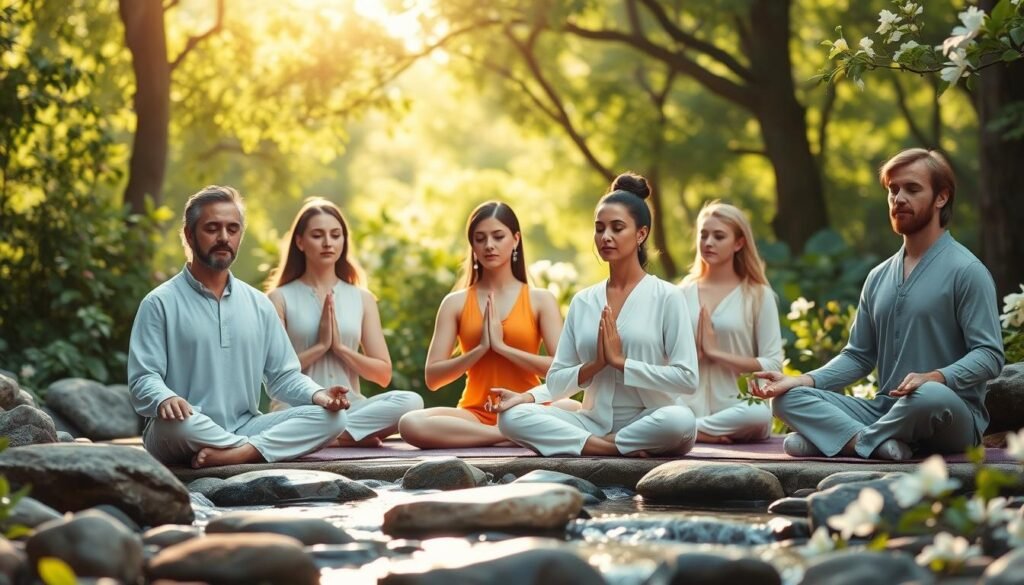
Looking for help from experts makes meditation better for those dealing with depression. These experts know a lot and offer structured courses and workshops. They help people learn deeply about different techniques. They provide professional guidance and support. This support helps people grow in their mindfulness journey.
Seeking Help from Meditation Experts
Working with meditation experts opens up tailored resources for people’s needs. There are online tutorials, local classes, and retreats for all levels. Mindfulness-based cognitive therapy might even prevent depression from coming back.
A 2017 study found meditation might be better than exercise for depression. A 2016 study showed body scan and mindfulness helped U.S. veterans with depression.
Seeking expert help can greatly benefit your meditation experience. It leads to emotional well-being. Experts teach ways to cope and regulate emotions. For deeper understanding about thoughts, emotions, and depression, visit this link. Getting this help can make a big difference in mental health and life quality.
Complementary Therapeutic Practices
Integrating complementary therapy with traditional treatments boosts mental health support. It focuses on healing the whole person. Emotional wellness and overall happiness are key. Recent studies show more people using complementary and alternative medicine (CAM). In 2021, there were 179 publications on this topic.
Therapies like cognitive-behavioral therapy, yoga, and mindfulness are becoming popular. They improve the benefits of meditation. Yoga offers great support on its own and when combined with other methods. Mindfulness helps with mental health through better self-awareness and emotional control.
Combining different practices supports full healing. It considers the connection of body, mind, and spirit. Treatments like acupuncture and tai chi offer unique benefits within this holistic approach. They can help people understand themselves better and heal emotionally from mental health issues.
In closing, complementary therapy holds great promise for mental health. It makes treatment for depression more comprehensive. The growing interest in CAM underlines the need for further research in holistic healing.
Potential Challenges and Considerations
Meditation can greatly help many people. However, it also comes with challenges that need attention. It’s not perfect for everyone. The path to emotional well-being through meditation can be tough. This is especially true when facing the tough emotions that come up during practice.
When Meditation May Not Be Enough
Research shows that around 7% of people have depressive disorders. These include major depressive disorder and dysthymia. Treatment often doesn’t fully work at first for many. Meditation has many benefits. But it might not be enough for those with severe symptoms. Knowing meditation’s limits helps, especially for mental health issues.
Dealing with Unpleasant Emotions
While meditating, you might face tough emotions or negative thoughts. These moments can teach us a lot but can also be hard. It’s important to be kind to yourself during these times. Tough feelings are part of the journey to managing emotions. Getting help from a professional can be key. It ensures a well-rounded approach to tackling mental health challenges.
Conclusion
Meditation acts as a key tool for beating depression and improving emotional well-being. It offers paths to grow personally and become mentally stronger. Studies show it makes a real difference for those fighting depression.
Though not the only answer, adding meditation to daily life helps a lot. Even short sessions each day can cut down anxiety and help depression, a 2015 study with over 3,500 adults found. This shows the big role mindful practices play in overcoming emotional problems.
Besides, mixing in professional help with self-care and other therapies works wonders. As people get into meditation and its many pluses, they move closer to well-being. They start healing and getting better emotionally.