In 2020, about one in five U.S. adults, or 52.9 million people, faced mental health issues. This fact shows how common problems like depression are, impacting feelings and thoughts. The depression mental health symbol is a ray of hope. It shows the battles and the path to feeling better.
Getting to know this symbol can give people comfort and a sense of togetherness. It reminds them they’re not fighting alone. This sign tells us there’s hope, even when things seem very dark.
Key Takeaways
- The depression mental health symbol is a powerful representation of hope and communal support.
- Understanding this symbol can provide comfort to those facing emotional challenges.
- Nearly 21% of U.S. adults experienced mental illness in 2020.
- The symbol embodies the ongoing journey toward emotional well-being.
- Awareness and education can help reduce the stigma surrounding mental illness.
The Meaning Behind the Depression Mental Health Symbol
The depression mental health symbol is vitally important. It’s a meaning-filled beacon of hope for those with mental illness. This icon is key in making people aware of the deep need to understand and tackle depression. It sends a strong message of support and solidarity for sufferers.
This symbol reminds everyone that they’re not struggling alone. Almost 19 million American adults deal with depressive episodes each year. It’s a call to encourage open talk about mental health. The symbol aims to foster empathy and understanding. It asks people to recognize their struggles and support each other.
Mental Health Awareness Month shows how vital this symbol is for mental well-being. It motivates people to seek help and find supportive resources. By valuing this symbol, we fight stigma and stand by those with mental illness.
Historical Context of Mental Illness Treatment
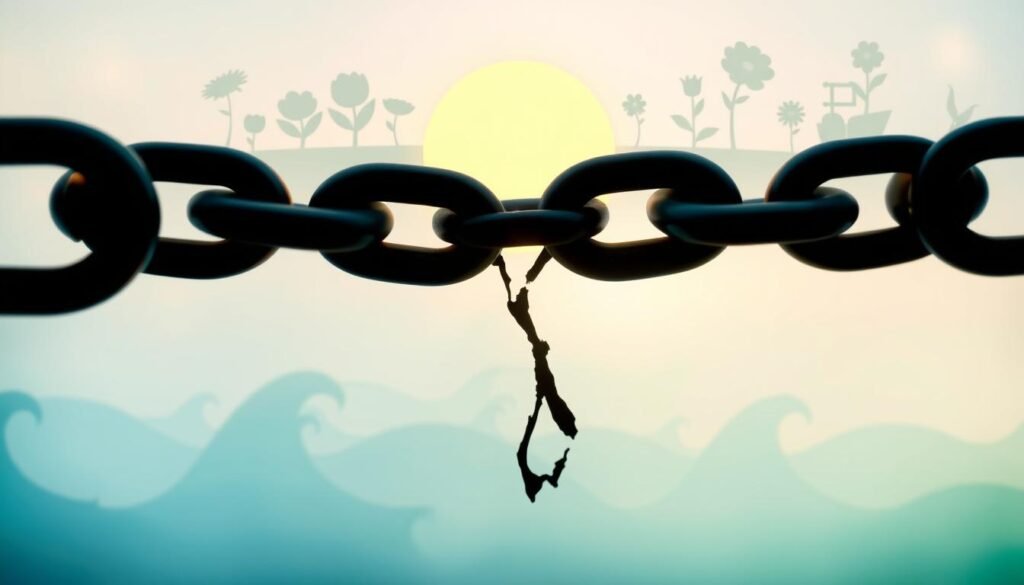
The history of mental illness treatment is full of deep challenges and big steps forward. Back in the early 1900s, people with mental health issues were often locked away in asylums. Here, chains were sadly a normal way to keep them in place. These places were terrible at providing proper care, and many suffered from neglect and harsh treatment for years.
Around 1908, the mental hygiene movement started in the United States. It was sparked by the experiences of people like Clifford W. Beers. Beers, who had bipolar disorder, was shocked by the horrible conditions in asylums. After this, he wrote his autobiography, calling out for urgent changes. This movement really started to change how mental illness was treated.
By the middle of the 20th century, we started to understand mental health better. In 1946, mental health became its own field. Important milestones followed this recognition. Groups like the National Committee for Mental Hygiene and later Mental Health America helped raise awareness. They aimed to make treatments better. They pushed for early diagnosis, good hospital care, and working together with government organizations.
The move from locking people away to providing full support was a major improvement. The creation of the World Health Organization in 1948 helped too. It made sure we looked at health, including mental health, in a complete way. This includes our physical and social wellbeing. Now, people with mental health issues can get kinder treatment and more help. This is a big change from the horrible old days of asylums. If you want to check your mental health, taking a depression quiz can be a good first step towards getting care.
Transformation of Chains into Symbols of Hope
Symbols have always been key in showing the struggles and wins in mental health. The shift of chains from a sign of being locked up in asylums to an emblem of hope is impactful. The creation of the Mental Health Bell marks a big step in this change.
The Creation of the Mental Health Bell
In the 1950s, Mental Health America started a project to change how people see mental illness. They melted chains to make the Mental Health Bell, a symbol of hope and forward movement. This act moved away from old views and highlighted the need for treating mental health.
Significance of the Bell of Hope
The Mental Health Bell is a reminder of our promise to support mental health. Ringing the bell shows we stand against the negative views on mental illness. With every ring, we are determined to stop suicides and show care to those with depression and anxiety. This symbol of hope shows how society’s views on mental health are changing.
| Symbol | Meaning | Significance |
|---|---|---|
| Mental Health Bell | Transformation of chains, symbolizing hope | Advocacy for mental health awareness |
| Butterfly Tattoo | Resilience and rebirth | Personal struggle and healing journey |
| Semicolon Tattoo | Continuance of life | Support and connection for those facing mental health challenges |
This change shows a bigger move towards recognizing mental health issues. As symbols change, they represent personal journeys and bring us together in healing and strength. To learn more about mental health symbols, visit Mad Rabbit. Understanding these symbols helps us continue to be compassionate and aware in our society.
Common Symbols Associated with Depression
There are many symbols linked with depression. They often show up as dark images. They represent the feelings of those who are affected. Understanding these symbols helps us see the struggles people face. It also shows us the path to healing.
Dark Imagery Representing Despair
Dark images are a way to show deep sadness and emotional pain. Let’s look at some examples:
- Poplar trees stand for sorrow and loss, often seen at funerals. They show the deep sadness tied to depression.
- The half-moon shows the double sides of fighting depression. It highlights hope and the ongoing darkness of their fight.
- Fire means anger and destruction. It tells a story of depression being like self-punishment.
- Pomegranates symbolize being stuck, connecting to death themes in Greek myths. It speaks to those feeling trapped mentally.
- The direction North brings up feelings of coldness and being alone. It adds to the sense of despair.
- The peace sign gives a new meaning. It looks like a figure bent in suffering. It shows hidden depths of pain.
Symbols of Hope and Healing
In the midst of dark images, there are also symbols of hope. They show the way to healing and change:
- Koi fish show the fight against hard times. They symbolize strength in tough situations.
- Dragonflies are about bouncing back. They represent getting through tough times while staying positive.
- Small stones talk about taking one step at a time towards getting better. They show patience in fighting depression.
- Succulents stand for growth and strength. They show how people can develop through challenges on their paths.
- The Phoenix is about starting fresh and rising from depression’s ashes. It’s a symbol of rebirth.

Exploring Negative Symbols of Depression
Negative symbols capture the complex feelings of depression. Things like poplar trees and half-moons have deep meanings. They show the challenges of those with mood disorders. Learning about these symbols helps us understand the emotional path of people with depression.
Interpretations of Poplar Trees and Half-Moons
Poplar trees stand for grief and loss. They are tall and thin, making us feel longing and sadness. These trees often appear along paths, showing the journey through dark and painful times.
In the same way, the half-moon represents balance. It shows the mix of depression’s darkness and the hope for better days. This symbol shows the tough battle between giving up and looking for light.
The Impact of Fire and Stagnant Water
Fire shows anger and the hurt that can come from depression. It highlights the harmful thoughts that might be in someone’s mind. On the other hand, stagnant water is a picture of feeling stuck. It’s like being caught without knowing how to get better.
| Symbol | Meaning |
|---|---|
| Poplar Trees | Grief and loss, representing the emotional journey |
| Half-Moons | Duality of battling depression and seeking hope |
| Fire | Anger and self-destruction |
| Stagnant Water | Feeling stuck and unable to progress |
Positive Symbols That Inspire Resilience
In the realm of mental health, certain symbols resonate deeply, offering hope and inspiration. Among these, the koi fish stands out. It is a remarkable representation of perseverance. Koi fish, known for their ability to swim against strong currents, symbolize not just determination. They also symbolize the potential for transformation.
This imagery connects with individuals facing mental health challenges. It reminds them that growth is attainable despite life’s adversities.
Koi Fish as a Representation of Perseverance
Koi fish tattoos embody the essence of perseverance. They serve as a constant reminder of resilience. Their journey through rough waters mirrors the struggles faced by many.
This reinforces the idea that overcoming obstacles leads to personal strength. This powerful symbol becomes a beacon of hope for those enduring difficult times.

The Mythological Importance of the Phoenix
The phoenix, a mythological creature, represents rebirth as it rises from its ashes. This narrative of rebirth and resurrection is powerful for those on mental health journeys. It highlights the strength needed to recover from depression.
The phoenix encourages those battling mental health issues to rise above their struggles. It promotes positive transformation. Such symbolism emphasizes that recovery is always possible. It sends a message of hope.
As individuals explore their own journeys, incorporating positive symbols like the koi fish and phoenix can strengthen their resolve. It also fosters a sense of community among those sharing similar experiences.
Personal Symbols as Unique Representations of Mental Health
Understanding personal symbols is key in grasping one’s mental health journey. These symbols capture unique life stories, showing the struggles and victories we face. Chosen items or images speak to us personally, reminding us daily of our strength and hope.
Finding Meaningful Symbols for Individual Journeys
Many people use symbols, like tattoos, to share their mental health stories. The semicolon tattoo, promoted by Project Semicolon, is well-known for its association with mental health awareness and suicide prevention. Designs such as butterflies and lotus flowers symbolize growth and healing. The variety of symbols chosen reflects the deeply personal nature of mental health struggles. Tattoos connect with us on an emotional level, representing our resilience and comfort during tough times.
The Role of Support Groups in Symbolism
Support groups are vital in helping find and embrace personal symbols. Sharing experiences allows members to find symbols that resonate with their paths to recovery. These communities offer emotional support, which is critical in addressing mental health challenges together. Recognizing symbols in these settings strengthens bonds and emphasizes the power of collective healing. It leads to a deeper sense of belonging and mutual understanding among those facing similar struggles.
Understanding the Connection Between Symbols and Mental Well-Being
Symbols are key in therapy, helping share emotions linked to mental health. Their use can deeply impact healing, making therapy more effective. They let people express emotions that are hard to talk about. This leads to better understanding and connection between therapists and clients.
The Psychological Impact of Symbolism in Therapy
Symbolism in therapy makes it easier to talk about mental health issues. Symbols can mean different things to people, helping them open up. For example, a green ribbon represents mental health support. Such symbols enhance conversations and help in the healing journey.
Visual Communication in Mental Health Discussions
Visual symbols improve how we talk about mental health. They offer a language that clients can easily understand. This reduces stigma and creates a safe space for sharing personal stories. Also, mental health awareness is growing. Data shows a 50% increase by 2020. Through visuals, discussions become more inclusive, aiding collective understanding.
| Year | Increase in Awareness | Community Engagement Rating |
|---|---|---|
| 2018 | 35% | 7 |
| 2019 | 40% | 8 |
| 2020 | 50% | 9 |
Crucial Steps Towards Emotional Well-Being
Achieving emotional well-being is a journey with several steps. It often needs help from professionals like therapists. These experts provide a space to talk about feelings and learn to cope better. Getting professional help is key to growing and dealing with mental health issues.
The Importance of Therapy and Counseling
Therapy is crucial for better emotional health. It helps people in several ways:
- Providing emotional support for dealing with tough thoughts and feelings.
- Promoting self-awareness by reflecting on personal experiences.
- Equipping individuals with coping strategies suited to their needs.
In therapy, many find symbols of their healing journey. This helps them make continuous progress in their emotional and mental health.
Building Community Support in the Journey
Having a strong support system is very important for mental health. Connecting with others can greatly help some people. Studies show that:
- Good relationships make emotional health better, giving positive experiences.
- Doing physical activities with others can improve mood and self-worth.
- Learning new things helps build social connections and gives a sense of purpose.
Being part of community activities gives a strong sense of belonging. This helps people feel less alone and promotes emotional wellness together. It creates a supportive atmosphere that helps everyone involved.
Conclusion
The depression mental health symbol stands for hope for those facing tough emotional battles. It helps people understand their feelings better. This support can lead to resilience and healing.
Depression affects 2% to 4% of people, and nearly one in five will struggle with it in their lifetime. For those affected, community and support are key to overcoming depression.
Many, especially women, prefer seeing a regular doctor over a mental health specialist. This shows the need for more open talks about our mental health. It also points to how depression impacts work and health costs. The U.S. spends $43 billion a year on depression.
We need to spread the word about the depression symbol and its message of hope. It can help break the stigma of talking about mental health issues. Everyone deserves to be part of a community that supports recovery and happiness. Recovery is tough, but together, we can find hope.