Did you know taking antibiotics can raise the risk of depression by up to 56% after several rounds? This fact highlights the complex nature of antibiotics. They are crucial for fighting infections but can affect mental health too.
Studies show antibiotics can change gut bacteria, affecting the brain. This includes how our nerves work and how brain chemicals are made. So, antibiotics don’t just fight illnesses; they might influence our feelings as well. Knowing how they affect mental health is vital for patients and doctors. It helps make better choices when treating illnesses.
Let’s explore the link between antibiotics and depression. These drugs can affect both our physical and mental health. For more detail on this topic, check out this article for in-depth insights.
Key Takeaways
- Antibiotics can elevate the risk of depression, particularly after multiple courses.
- The gut microbiota plays a significant role in communicating with the brain, influencing mood and mental health.
- Minocycline is an antibiotic with demonstrated antidepressant properties.
- Patients should be aware of the potential psychiatric side effects linked to antibiotic use.
- Healthcare providers should consider both the benefits and risks of antibiotics when prescribing them.
- Informed discussions regarding medication are essential for managing mental health risks associated with antibiotics.
Understanding Antibiotics: How They Work
Antibiotics are key in modern medicine, killing or slowing down the growth of bacteria. There are broad-spectrum and narrow-spectrum antibiotics. Broad-spectrum ones fight a wide range of bacteria, while narrow-spectrum ones target specific types.
These medicines work by attacking parts of bacterial cells. For example, some ruin the cell wall, causing the bacteria to die. Others stop bacteria from making proteins or copying their DNA. It’s important to know how they work to understand why doctors choose certain antibiotics for an infection.
However, using antibiotics too much can cause big problems like antibiotic resistance. This makes bacteria stronger and harder to kill. It’s a serious issue for public health. This is why it’s critical to use antibiotics responsibly and learn about their correct use.
| Type of Antibiotic | Antimicrobial Activity | Common Examples | Mechanism of Action |
|---|---|---|---|
| Broad-Spectrum | High effectiveness against various bacteria | Ampicillin, Tetracycline | Inhibits cell wall synthesis and protein production |
| Narrow-Spectrum | Targeted effectiveness | Penicillin, Vancomycin | Disrupts specific bacterial functions or structures |
Knowing about antibiotics ensures better health outcomes. It makes us aware of how they fight infections and the issue of resistance.
The Link Between Antibiotics and Depression
A significant link exists between antibiotics use and depression. In the U.S., one in five adults faces mental illness, often tied to disability. Long-term antibiotic use might raise the risk of depression.
Antibiotics can disturb the gut’s healthy balance, which is crucial for mental health. Early antibiotic use can change how the brain works. It can also raise the chance of mental issues like ADHD. A study found adults had more depression and anxiety after taking antibiotics.
A notable antibiotic, Isoniazid, used for tuberculosis, may increase monoamine levels. This could have antidepressant effects. Minocycline, on the other hand, might help treat major depressive disorder. This shows the complex effects of antibiotics on mental health.
Animal studies show antibiotics can cause depression-like symptoms. The effects vary by antibiotic type and when they’re given. While some studies don’t show harmful mental health effects, the link between antibiotics and mental health is still being closely studied. For more details on how antibiotics and depression are connected, check out this study.

| Antibiotic | Psychiatric Effect |
|---|---|
| Isoniazid | Increases monoamine levels; potential antidepressant effects |
| Minocycline | Effective adjunct treatment for major depressive disorder |
| Cefaclor | Induces anxiety and depression-like behaviors in animal studies |
| General antibiotics | Associated with increased risk of depression and anxiety |
Antibiotics and Depression: The Gut-Brain Connection
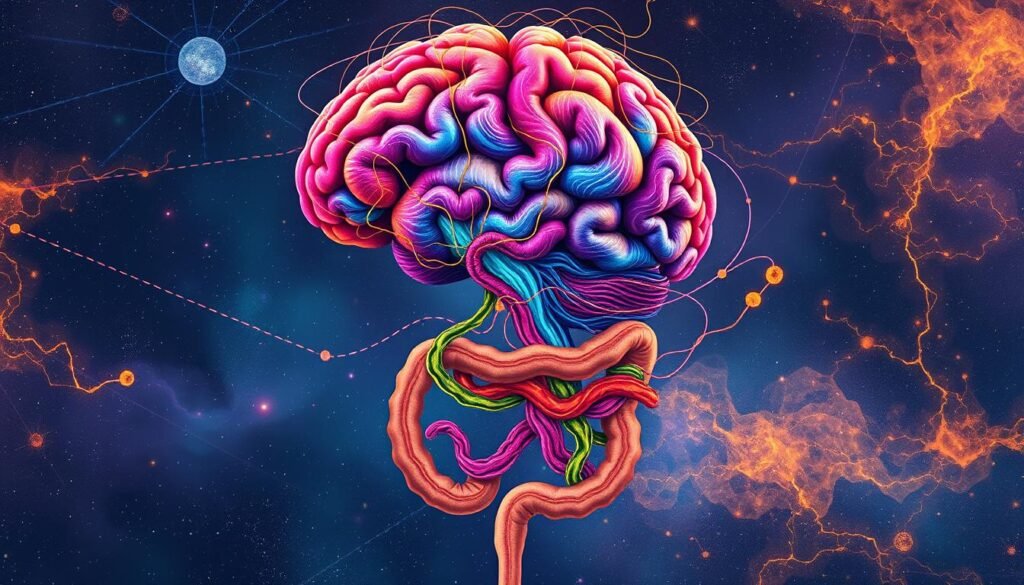
The connection between our gut health and mental state is getting more attention. It shows how much our gut health can affect our mind. A healthy gut makes us emotionally strong, but problems can make us feel sad or anxious.
Having a variety of good bacteria in our gut is key to staying cheerful. If this balance is upset, it can lead to mood swings and depression.
The Role of Gut Microbiota in Mental Health
Studies show the big role our gut bacteria play in feeling good. These tiny helpers make important chemicals that affect how happy or sad we feel. A well-balanced gut helps keep our mood steady, making us more positive.
A mix of different gut bacteria keeps anxiety and depression away. This proves how closely our gut and brain work together for our well-being.
How Antibiotic Use Disrupts Microbiome Diversity
Antibiotics can mess up the balance of bacteria in our gut. This can make us more likely to get depressed or anxious. For example, babies given antibiotics might have less variety in their gut bacteria. This can lead to health problems and sadness as they grow.
| Effects of Antibiotics on Gut Microbiota | Potential Outcomes |
|---|---|
| Reduced microbial diversity | Increased risk of depression and anxiety |
| Disruption of short-chain fatty acid production | Impaired mood regulation |
| Altered neurotransmitter levels | Increased likelihood of psychosis and confusion |
| Negative impact on infants’ microbiota during critical development | Long-term mental health issues |
Psychotropic Side Effects of Antibiotics
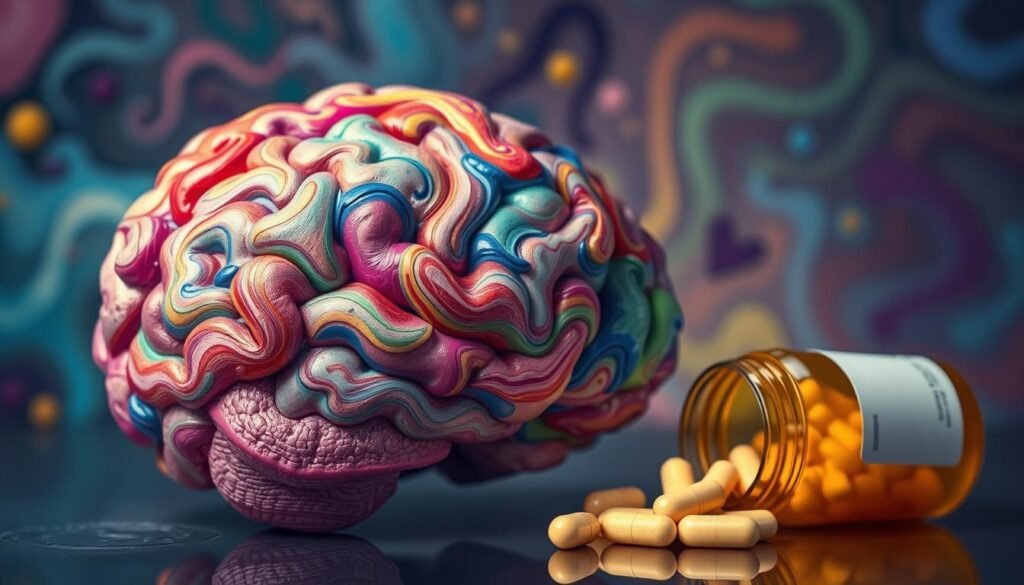
Antibiotics are crucial for fighting bacterial infections. But, we can’t ignore their possible psychotropic side effects. This is especially true for some well-known antibiotics. It’s important to know which ones can make people feel depressed. Both patients and doctors need to understand how these drugs can change mental health.
Common Antibiotics Linked to Depression
Some antibiotics may affect our moods. For example, levofloxacin and ciprofloxacin are known to cause confusion, anxiety, and even psychosis in some. Penicillin types might mess with brain chemicals, affecting moods and possibly causing depression. Azithromycin and metronidazole can also lead to neurological issues. These can show up as mood swings or psychiatric symptoms.
Potential Mechanisms Behind These Side Effects
There are several ways antibiotics might lead to depression. They can alter neurotransmitter levels, like serotonin, which affects our mood. Changes in the gut microbiome may also play a part. This can mess with the gut-brain connection, changing how we feel and behave.
Certain drugs increase anxiety and depression. Penicillin, for instance, targets GABA receptors. Antibiotics might also have effects similar to monoamine oxidase inhibitors (MAOIs). These findings help us see how antibiotics might change brain chemistry. This is why watching patients with mood disorders closely is key. For a better mood, try setting up a calm bedtime routine.
| Antibiotic Class | Examples | Psychoactive Effects |
|---|---|---|
| Fluoroquinolones | Levofloxacin, Ciprofloxacin | Delirium, Psychosis |
| Penicillin Derivatives | Piperacillin/Tazobactam, Ampicillin | Neurotoxicity, Mood Changes |
| Macrolides | Azithromycin, Clarithromycin | Delirium, Hallucinations |
| Metronidazole | – | Psychosis with High Doses |
It’s crucial to know about antibiotics and depression. If you’re worried about how these drugs affect your mood, talk to your doctor. It’s important to talk about any mental health concerns when getting these common antibiotics prescribed.
Impact of Antibiotics on Serotonin Levels
Exploring how antibiotics impact serotonin levels is fascinating. These medicines are vital for fighting infections. Yet, they can change how our bodies work, affecting our moods. One key area is how they disrupt the processing of tryptophan. This is essential for making serotonin. When this process gets messed up, our serotonin levels can change. Serotonin is very important for keeping our mood stable.
How Antibiotics Affect Tryptophan Metabolism
Tryptophan helps make serotonin. But antibiotics can mess with this. They change the balance of our gut bacteria. This is crucial for turning tryptophan into serotonin. If our gut bacteria change too much, this process doesn’t work well. This can drop serotonin levels. This drop might make people feel depressed or anxious.
Short-Chain Fatty Acids and Mood Regulation
Short-chain fatty acids come from gut bacteria breaking down fibers. They’re key for keeping our mood good. But antibiotics can lower these helpful acids. This can mess up the connection between our brain and gut. It might increase the chance of mood problems. This shows why we need to think about antibiotics’ mental side effects. It’s key to use antibiotics carefully, thinking about our mental health too.
| Antibiotic Type | Effect on Tryptophan Metabolism | Impact on Serotonin Levels | Mood Regulation |
|---|---|---|---|
| Broad-Spectrum Antibiotics | Disrupt gut microbiota | Potential decrease | Increased risk of depression |
| Penicillins | Affects metabolic conversion | Lowered production | Anxiety and mood swings |
| Macrolides | Imbalance in microbiome | Uncertain impact | Possible exacerbation of mood disorders |
| Cephalosporins | Interferes with balance | Decreased serotonin | Potential mood instability |
| Fluoroquinolones | Can affect gut health | Possibly lower levels | Contribution to depressive symptoms |
Inflammation, Mood Disorders, and Antibiotic Use
Recent years have shown a link between inflammation and mood problems. Studies found that mental health and antibiotic use are connected. This is due to how they affect the body’s inflammation. Inflammation affects how we control our emotions and can lead to depression.
People with major depressive disorder (MDD) tend to get more antibiotic prescriptions. Their chance of getting these prescriptions is 1.31 times higher than others. This means they might be more prone to infections that need antibiotics.
Those with MDD also face higher costs for antibiotics, 1.39 times more than those without the disorder. This indicates that ongoing inflammation might make people with mood disorders get infections more easily. They need more antibiotics as a result.
A study involving over 16,950 patients with MDD and 67,800 without showed interesting results. It found that signs of inflammation could affect how well treatments work. For example, patients with higher C-reactive protein (CRP) levels improved more with minocycline treatment. This shows that antibiotics might help with inflammation and mood problems.
To sum up, here’s what we learned about antibiotics, inflammation, and mood disorders:
| Parameter | MDD Patients | Non-MDD Patients |
|---|---|---|
| Adjusted Odds Ratio for Antibiotic Prescription | 1.31 | N/A |
| Prescription Days per Year | 1.25 times higher | N/A |
| Cost of Antibiotic Prescription | 1.39-fold higher | N/A |
| Sample Size Analysis | 16,950 with MDD | 67,800 without MDD |
Risks of Treatment-Resistant Depression Post-Antibiotics
Long-term antibiotic use might complicate things for those with depression. These drugs affect the gut microbiome. This affects how we understand their role in causing hard-to-treat depression. Research points to gut health issues making mood regulation harder. This makes standard depression treatments less effective for some people.
Why Long-Term Use Can Lead to Mood Disorders
Antibiotics change the gut flora, vital for mental well-being. This change can make people more prone to mood problems like hard-to-treat depression. Usual depression fixes might not work well. They don’t tackle the gut issues that are part of the problem.
Those who’ve used antibiotics a lot might need different care plans. These could include:
- Changing antidepressant doses or trying new types.
- Adding therapy methods, like cognitive behavioral therapy.
- Looking at other options when the usual ones don’t work.
Working closely with healthcare teams is key. Knowing how long-term antibiotic use can lead to hard-to-treat depression helps. It encourages patients to get full evaluations and care that is tailored to them.
Best Practices for Using Antibiotics Wisely
Using antibiotics wisely takes careful thought. Patients can improve their health with the right approach. This includes talking openly with doctors and knowing the side effects of their meds. Taking these steps helps lead to better health and less problems.
Communicating with Healthcare Providers
Talking clearly with doctors is key when using antibiotics. It’s important for patients to ask questions about their meds, such as:
- What specific infection is being treated?
- Why is this particular antibiotic necessary?
- What are the possible medication side effects?
- How should the medication be taken and for how long?
By talking more with healthcare teams, patients get important information. This helps them follow their treatment plans. Sticking to these plans is crucial to fight antibiotic resistance.
Understanding Your Medication and Its Side Effects
Every antibiotic is different, including its side effects. For example, some can cause serious mental health issues. Knowing these risks means patients can watch for any changes closely.
| Antibiotic Class | Potential Side Effects | Risks in Special Populations |
|---|---|---|
| Quinolones | Suicidal behavior (37.4% of cases tied to exposure) | Increased risk among older adults |
| Macrolides | Antibiotic-induced mania | Effects on patients with pre-existing mood disorders |
| Imipenem-cilastatin | High reporting odds ratio for seizures | Significant caution advised for those with renal impairment |
| Cephalosporins | Increased risk of neurotoxicity | Over 20% risk in patients with renal issues |
Being informed about side effects leads to smarter health choices. Following doctors’ orders and understanding your medication can make treatment more effective. Patients who do this help themselves and tackle the larger problem of antibiotic resistance.
Conclusion
The link between antibiotics and depression is critical to understand. It shows us how antibiotics do more than fight infections. They may also affect our mental health. This realization is essential for recognizing the importance of our mind’s well-being.
Recent research indicates a strong connection. People with major depressive disorder (MDD) often have a high number of antibiotic prescriptions. This fact tells us to pay close attention to how antibiotics might impact our mood.
It’s important to talk openly about using antibiotics in medical appointments. This helps patients and doctors understand the potential mental health effects. As research continues, our knowledge on this topic will grow. This will improve our understanding of how antibiotics and mental health are connected.
For deeper insight, read about the study on antibiotics and mental health effects here.