Nearly 30% of people with depression don’t get better with traditional treatments. This fact shows how much we need new ways to treat depression. Brain stimulation therapies are promising options for those who haven’t found relief elsewhere. They are key to better mental health.
Brain stimulation includes different ways to activate the brain using electrical or magnetic pulses. This guide provides insights into these treatments, how they work, and their benefits. By learning about these non-invasive methods, people can choose the best care for their mental health.
To learn more about how depression affects brain function, visit this resource. Also, find out about various brain stimulation therapies at this link.
Key Takeaways
- Brain stimulation therapies may help almost 30% of those with hard-to-treat depression.
- These new depression treatments activate the brain with electrical and magnetic pulses.
- There are many non-invasive options to suit different needs and preferences.
- Knowing more about brain function can improve mental health strategies.
- Research is always improving, making depression treatments more effective.
Understanding Brain Stimulation Therapy
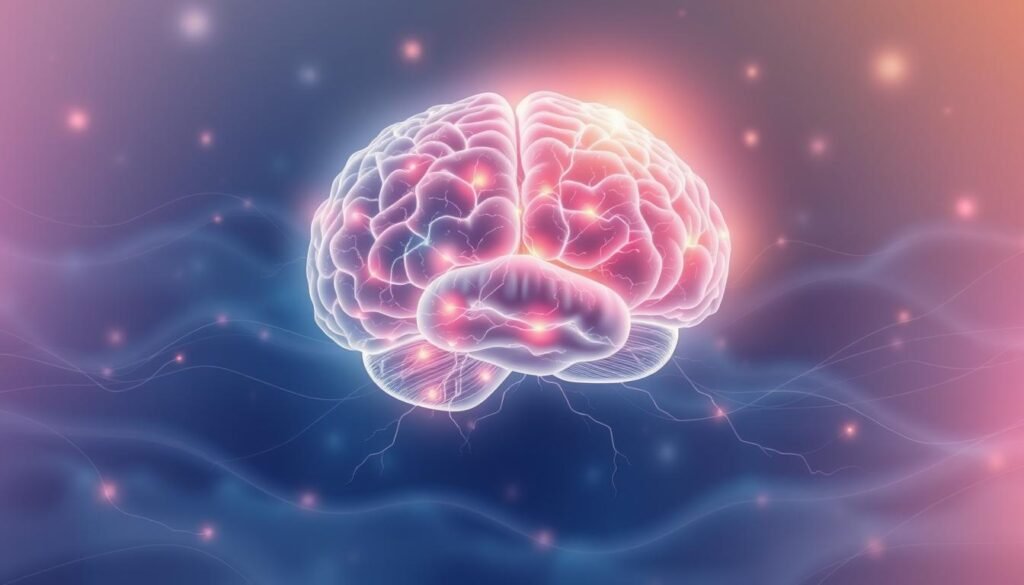
Brain stimulation therapy uses different methods to help improve mental health. It works by changing brain activity. This is done through electrical currents or magnetic fields. It’s a new hope for those with depression and other mental health issues.
Transcranial Magnetic Stimulation (TMS) is a key treatment recognized for beating depression. Studies show TMS is more effective than traditional treatments. It helps people who haven’t been helped by usual medications or therapy. After TMS, many patients are symptom-free for six to nine months.
A standard TMS treatment plan includes three to five sessions each week for several weeks. This usually adds up to about 30 treatments, as advised by the FDA. Some new methods have made it possible to finish treatment in just one week. A session can be as quick as a few minutes or up to half an hour.
TMS doesn’t just help with depression. It also helps reduce anxiety symptoms. This is important because anxiety and depression are often linked. Treating one can help with the other, which is seen in studies.
Brain stimulation therapy represents a move towards more tailored and successful mental health treatment. It shows a bright future in managing mental health issues. As research continues, it opens new doors for recovery, giving many people fresh hope.
What is Depression and Its Treatment?
Depression is a mental health disorder marked by ongoing sadness and hopelessness. It also makes people lose interest in what they once loved. Millions are affected, altering their daily life and overall well-being. Treatment usually involves psychotherapy and drugs to balance mood. But, not everyone gets better with these methods. Treatment-resistant depression happens when these don’t help.
For those not helped by usual treatments, other options are key. Brain stimulation therapies like Transcranial Magnetic Stimulation (TMS) and deep brain stimulation are new hopes. TMS, okayed by the U.S. Food and Drug Administration in 2008, shows promise. About two-thirds of TMS patients feel a lot better, with results lasting up to a year for 70% of them.
Finding insurance that covers TMS can be tough, as it’s mostly approved for major depressive disorder. The treatment involves 36 sessions, each between 20 minutes to an hour, tailored to the patient. TMS is safe, with a very small chance of seizure. In fact, no seizures have been reported in over 10,000 annual treatments at TMS centers.
Other methods like deep brain stimulation are being explored beyond TMS for mental health treatment. NYU Langone Health performs over 100 deep brain stimulation surgeries yearly. While not FDA approved for depression yet, research shows it’s safe and effective.
There’s hope in other brain stimulation methods such as transcranial direct current stimulation (tDCS) too. Studies have seen improvements in mild depression and anxiety in older adults combining tDCS with cognitive training. Affordable and portable, tDCS is another way for people to seek treatment.
Brain Stimulation Therapy for Depression
Brain stimulation therapy offers new hope for those with chronic depression. It targets specific brain areas tied to mood. This can help patients who don’t do well with usual treatments. Knowing about this therapy helps people make smart choices about their mental health care.
Definition and Purpose
This therapy uses techniques to change brain activity and help mood. Its goal is to affect brain parts linked to depression. Many people feel much better after using these methods, sometimes seeing changes in just a few days.
Overview of Techniques
There are several key techniques for treating depression:
- Electroconvulsive Therapy (ECT): ECT is very effective for severe depression, using electric shocks to the brain.
- Repetitive Transcranial Magnetic Stimulation (rTMS): This safe method uses magnetic fields to activate certain brain areas.
- Vagus Nerve Stimulation (VNS): VNS involves sending electrical signals through a nerve to affect the brain.
- Deep Brain Stimulation (DBS): DBS uses implanted electrodes for continuous brain stimulation.
Recent research highlights the promise of these methods. One study found that 79% of people with severe depression were much better after magnetic therapy. Almost 79% showed no depression signs after just five days. Another new method, Stanford accelerated intelligent neuromodulation therapy (SAINT), works quickly for lasting improvements.
Understanding brain stimulation for depression and its techniques lets people seek better treatment. It’s a way to get back mental health and improve life quality.
Types of Brain Stimulation Therapies
Different brain stimulation therapies use unique approaches to fight depression. They are innovative and vary in how effective and safe they are. Knowing about these therapies can help people looking for relief from depressive symptoms.
Electroconvulsive Therapy (ECT)
Electroconvulsive Therapy is a well-known brain stimulation method. ECT uses electrical currents to create a brief seizure in the brain. It’s highly effective, helping 70% to 90% of patients improve their depression symptoms.
It’s mainly for severe depression that hasn’t improved with other treatments. Many consider ECT because it’s non-invasive and safe.
Repetitive Transcranial Magnetic Stimulation (rTMS)
Repetitive Transcranial Magnetic Stimulation uses magnetic fields to stimulate the brain’s nerve cells. This therapy is gaining attention for its potential to treat depression. After rTMS, about 30% to 64% of patients notice symptom improvement.
Its precision in targeting brain areas makes it attractive for those seeking new treatments.
Vagus Nerve Stimulation (VNS)
Vagus Nerve Stimulation involves a device that sends pulses to the vagus nerve. It helps 50% to 70% of people with hard-to-treat depression. It’s also useful for seizure disorders.
The fact that VNS is non-invasive attracts patients wanting to try something other than standard treatments.
Deep Brain Stimulation (DBS)
Deep Brain Stimulation is best known for treating movement issues like Parkinson’s disease. Though mainly for neurological problems, it might also help with severe OCD and similar issues. More studies are needed to fully understand its benefits for mental health.
DBS shows how brain stimulation can help both mental and neurological conditions.
How Do Brain Stimulation Therapies Work?
Understanding the mechanisms of action behind brain stimulation is key. These therapies use electrical currents and magnetic fields. They target certain brain areas to reduce depression symptoms.
Mechanisms of Action
Brain stimulation therapy boosts brain function and mood regulation. It sends precise signals to specific brain regions. This changes neurotransmitter levels and stimulates neural circuits related to emotional regulation.
Techniques like deep brain stimulation (DBS) target mood-related pathways. They offer hope for those who haven’t found success with standard treatments.
Targeted Brain Areas
These therapies focus on areas impacting mood, like the left prefrontal cortex. Stimulating these regions can significantly lower depressive symptoms. Deep brain stimulation, for instance, uses electrodes for continuous mood enhancement.
Research supports the effectiveness of various brain stimulation methods. These include electroconvulsive therapy and repetitive transcranial magnetic stimulation. They play a vital role in mental health treatment.
As these techniques improve, they offer new hope for severe depression. For those exploring recovery options, significant studies provide valuable insights. They show the potential of treatments like deep brain stimulation therapy for severe cases.
Effectiveness of Brain Stimulation Therapies
There’s a rising interest in using brain stimulation to treat depression. This has led to many studies evaluating how effective these methods are. They offer a new hope to those who don’t find traditional treatments helpful.
Clinical Evidence
Studies highlight the potential of brain stimulation therapies. For instance, Electroconvulsive therapy (ECT) helps many with treatment-resistant depression. About 44.9% of people treated showed significant improvements, which is promising.
Deep brain stimulation (DBS) also shows potential, especially targeting the subcallosal cingulate white matter. Despite this progress, not all patients achieve full recovery with ECT, with success rates varying significantly. Other methods like repetitive transcranial magnetic stimulation (rTMS) are less effective than ECT and need more sessions.
Comparison with Traditional Treatments
When comparing brain stimulation therapies to traditional treatments, there’s a clear need for alternatives. Current medications only fully help about one-third of patients with major depressive disorder (MDD). This fact underscores the importance of exploring new methods like brain stimulation.
Newer treatments like transcranial direct current stimulation (tDCS) and vagus nerve stimulation (VNS) are being studied. tDCS shows some initial success but needs more research. The effectiveness of VNS, however, is still being debated due to mixed results from studies.
Electroconvulsive Therapy: A Closer Look
Electroconvulsive therapy (ECT) offers a powerful way to improve depression quickly. It works well for severe cases that don’t respond to usual treatments. This section talks about how it’s done, safety, side effects, and what patients need to know.
Procedure and Safety
Patients receive ECT treatments two to three times weekly. They are under general anesthesia, which means they sleep through it. Doctors apply short electric bursts to the brain. This creates a controlled seizure, helping to change brain chemistry for the better.
ECT’s safety is very important. Doctors watch patients closely to keep them safe. Many insurance companies help pay for ECT if it’s for mental health. Groups like the American Psychiatric Association trust ECT for treating serious mental health issues.
Side Effects and Considerations
ECT helps many people, but it has side effects like temporary memory loss. Usually, memory gets better within a few months. Some might have longer memory problems.
Before starting ECT, patients should talk about their health history with doctors. ECT can treat various disorders, not just depression. Knowing the pros and cons helps patients make good choices about using ECT.
Repetitive Transcranial Magnetic Stimulation (rTMS) Explained
Repetitive transcranial magnetic stimulation (rTMS) is a key therapy. It’s non-invasive and targets the brain to help with major depressive disorder (MDD). The FDA has approved this treatment. It’s a good choice for those who haven’t seen success with other treatments. Knowing about the procedure and possible side effects is helpful for anyone considering rTMS.
Procedure and Duration
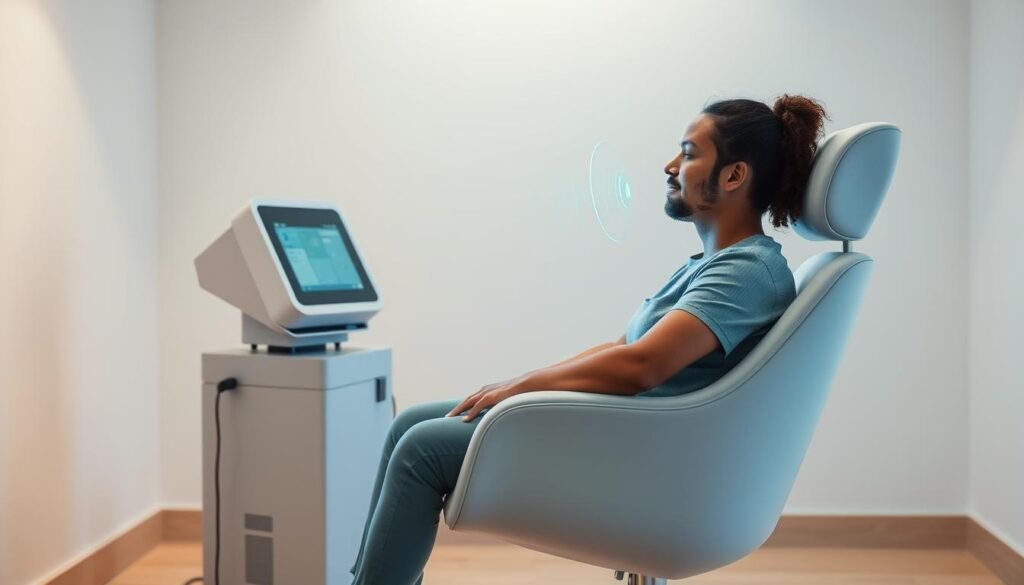
The rTMS process uses a magnetic coil placed on the scalp. This coil sends magnetic pulses to the brain. A session can last from 30 to 60 minutes. Patients usually have sessions five times a week. This goes on for 4 to 6 weeks. The goal is to give the brain regular stimulation without messing with daily routines too much.
Common Side Effects
Most people handle rTMS well, but some side effects can happen. These include:
- Scalp discomfort where the stimulation happens
- Headaches after treatment
- Neck pain or toothache
- Muscle twitching
- Temporary changes in hearing
Usually, these side effects are mild and get better after finishing the treatments. This makes rTMS a workable choice for many people. Patients should talk about any worries with their doctors to get the best results.
Vagus Nerve Stimulation: Overview
Vagus nerve stimulation (VNS) is becoming a key player in brain therapy for depression. The FDA approved it in 2005 to tackle tough cases of unipolar and bipolar depression. It works by having a device implanted that zaps the vagus nerve, affecting mood control areas in the brain.
Method and Effectiveness
A small device is put under the skin during surgery. It’s linked to the vagus nerve in your neck. This device sends out pulses that help ease depressive symptoms over time. VNS shows promise, especially for those who haven’t been helped by other treatments.
About 40% of those with hard-to-treat depression feel better after 10 weeks of VNS. A study with 60 people found a 30% improvement rate and a 15% remission rate. These findings suggest VNS could be a good additional treatment method.
The use of vagus nerve stimulation started in the 1980s for epilepsy. Its success in epilepsy led to discoveries of its benefits for improving mood and helping those with long-term depression.
| Study | Response Rate | Remission Rate |
|---|---|---|
| Pilot Study (10 weeks) | 40% | 17% |
| 60 TRD Patients | 30% (HAM-D) | 15% |
| Other Treatments (e.g., ECT) | 79% (ECT) | 75% (ECT) |
| Antidepressants (Citalopram) | 47% | 28% |
Vagus nerve stimulation is still being studied, but it’s a key option for brain stimulation in depression treatment. Its growing success rate could mark a significant shift in managing this difficult condition.
Alternative Brain Stimulation Techniques
Recent studies are diving into new brain stimulation methods. These go beyond what we’ve always used for mental health, especially depression. Techniques like magnetic seizure therapy and neuromodulation could be game-changers in treatment.
Magnetic Seizure Therapy
Magnetic seizure therapy (MST) uses magnetic fields to trigger seizures in certain brain parts. It aims to cut down on the mental side effects that come with traditional shock therapy. Scientists are looking closely at MST to see if it’s safe and effective, particularly for those who haven’t been helped by usual treatments.
Neuromodulation Techniques
Neuromodulation therapy changes nerve activity by applying targeted stimulation. Techniques like transcranial magnetic stimulation (TMS), transcranial direct current stimulation (tDCS), and transcranial alternating current stimulation (tACS) look promising. They could be key in treating depression and other mental health issues. These methods could positively change how the brain acts, lifting mood and altering behavior.
| Technique | Description | Potential Benefits |
|---|---|---|
| Magnetic Seizure Therapy | Uses magnetic fields to create seizures with fewer cognitive side effects. | Could be a strong option for hard-to-treat depression. |
| Transcranial Magnetic Stimulation (TMS) | A non-invasive way to use magnetic fields on the brain. | Helps improve mood and eases major depression symptoms. |
| Transcranial Direct Current Stimulation (tDCS) | Sends low electric currents to the brain to adjust nerve activity. | May boost thinking skills and mood management. |
| Transcranial Alternating Current Stimulation (tACS) | Uses changing current to affect the brain’s electrical activity. | Shows promise in managing depression and thinking patterns. |
As research and trials on these innovative brain stimulation methods continue, their impact on treating depression grows. They bring hope to those battling mood disorders.
Who is a Candidate for Brain Stimulation Therapy?
Finding the right people for brain stimulation therapy is key to mental health care. It’s about looking at criteria for treatment to see if someone should try such therapies. For those with treatment-resistant depression, when usual treatments don’t work, alternatives like Transcranial Magnetic Stimulation (TMS) could be an option.
Criteria for Treatment
Brain stimulation therapy isn’t for everyone. To be considered, one must meet certain criteria for treatment:
- They must have a documented case of Major Depressive Disorder (MDD) that hasn’t improved with standard treatments.
- They’ve tried several antidepressants with no success.
- They can’t use usual treatments because of severe side effects.
- A qualified medical professional must evaluate and approve them for the therapy, ensuring it’s safe and fitting.
Understanding Treatment-Resistant Depression
Treatment-resistant depression happens when patients don’t get better after trying at least two antidepressants. This affects about 30% of those with depression. These individuals might consider TMS, known to be effective for such difficult cases. Studies reveal TMS achieves response rates between 30% and 64%, showing its potential against complex mental health issues.
Preparing for Brain Stimulation Therapy
Getting ready for brain stimulation therapy means taking key steps to make the treatment work better and feel more effective. Knowing what will happen ahead of time can help reduce worry. It makes the experience more positive. It’s critical to have a thorough pre-treatment evaluation to figure out what each patient needs and any potential risks.
Pre-Treatment Evaluation
A detailed pre-treatment evaluation is a must before starting therapy. This check-up includes several parts:
- A review of medical history to find any conditions or medications that might impact the treatment.
- A psychiatric evaluation to understand the depth of depression and previous treatments.
- Medical imaging tests, if needed, to look for any specific brain areas or issues.
- Checking for any metal implants or medical devices that could interfere with the therapy.
This evaluation is key to ensure the therapy is customized for each person.
What to Expect During Treatment
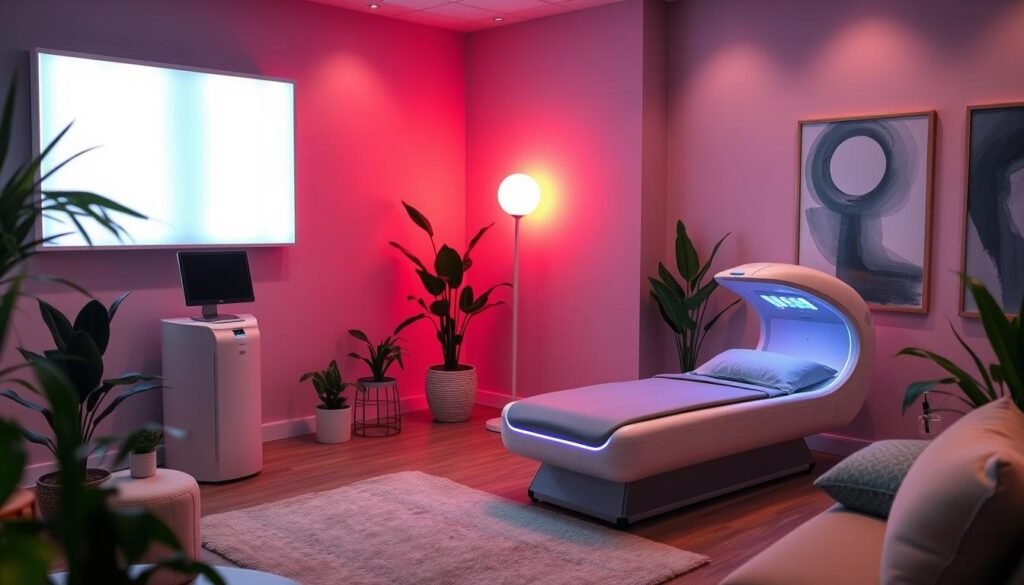
Treatment sessions are easy and non-invasive. For instance, TMS sessions take 20 to 40 minutes. Usually, treatment runs for four to six weeks. Patients can go back to their usual activities right after each session.
TMS is given without needing to sleep through it, and patients stay awake. Throughout the therapy, some people might:
- Feel a bit of discomfort where the therapy is applied, like tenderness on the scalp.
- Have occasional headaches, which go away pretty fast.
- Rarely, face serious side effects like seizures, but this is very rare.
Knowing what to expect during treatment makes the therapy easier and more effective. With the right preparation and knowledge, patients can face their treatment with confidence. This helps build a strong base for healing and getting better.
Post-Treatment Care and Maintenance
After getting brain stimulation therapy, post-treatment care is key. It helps keep mental health improvements stable. This phase includes follow-up treatments like assessments and more therapies.
Follow-up Treatments
Follow-up treatments are a major part of recovery. Many see their depression symptoms come back, with 80% relapsing after rTMS. The risk of more depressive episodes can be up to 30%. So, a custom maintenance plan is needed. This might involve:
- Monthly scheduled TMS sessions
- Booster treatment courses every 4-8 weeks
- Bi-weekly assessments through tools like the PHQ-9 to monitor symptoms
Studies show active deep TMS works better than placebo at first. Maintenance therapy is helpful afterward. Long-term studies show that patients getting ongoing support have fewer relapses.
Integrating Other Therapies
Adding other therapies to brain stimulation improves care after treatment. Using medication or psychotherapy with TMS helps those with tough depression. This can include:
- Regular therapy sessions for emotional and psychological needs
- Medication adjustments from continuous evaluations
- Joining support groups or community resources
This integrated approach aims to keep patients stable and prevent relapse. Studies found half of the patients maintaining TMS treatments saw big benefits. This way, patients find better mental health in the long run.
Conclusion
Brain stimulation therapy for depression is now a key option for those struggling with mental health. It helps those who haven’t been aided by usual treatments like SSRIs. With transcranial magnetic stimulation (TMS) success rates hitting between 70% and 80%, it shows great promise. Also, around half of the people might get completely better after just one treatment cycle.
This method, TMS, can really change the life quality for people with hard-to-treat depression. Since regular meds often don’t work after several tries, TMS becomes even more important. It’s a fresh way for patients to take on their mental health struggles, helping them control their symptoms better.
Want more info on how spotting depressions in the body can help with health care? Check out this detailed guide. Understanding and using brain stimulation therapy can make a big difference for those dealing with depression. It’s a crucial part of today’s mental health care.