Up to 25% of adults face chest pain not caused by heart issues, but by anxiety or depression. This shows how mental illness can result in physical discomfort. People often confuse this for heart problems, leading to worry and unneeded doctor visits. This article will discuss how to recognize symptoms, link mental and physical health, and find relief for those dealing with these issues.
Key Takeaways
- Depression can manifest as physical symptoms such as chest pain.
- Up to 25% of adults may experience noncardiac chest pain linked to anxiety or depression.
- Understanding the emotional roots of physical pain is crucial for effective treatment.
- Recognizing symptoms early can lead to better management of depression and its related pain.
- Seeking professional help can significantly improve emotional well-being and physical health.
Understanding Depression and Its Physical Symptoms
Depression isn’t just about feeling sad. It can also hurt your body. People with depression often feel pain and stomach problems. Their brain changes may make them feel more pain, which leads to tiredness, headaches, and sometimes chest pain.
Here are some common physical signs of depression:
- Chronic pain and muscle aches
- Back pain
- Joint pain
- Digestive problems
- Changes in appetite or weight
- Sleeping difficulties
It’s key to tell doctors about these body symptoms. They show how depression affects more than just your mood. It also changes your health. Treating both mind and body is vital.
Research shows a link between body pain and mood issues. People with a lot of pain are more likely to feel depressed. That’s why talking to doctors about all your symptoms is important. This helps them treat your mind and body together.
| Physical Symptom | Impact on Mental Health | Potential Treatments |
|---|---|---|
| Chronic Pain | Can worsen depression and lead to suicidal thoughts | Medications like duloxetine and venlafaxine |
| Fatigue | Contributes to feelings of exhaustion | Cognitive behavioral therapy |
| Digestive Issues | Affects overall well-being | Dietary changes and medication |
| Changes in Appetite | Can lead to weight changes and further depression | Nutrition counseling |
Understanding how depression and its physical signs connect is key. It helps in choosing the best treatment and managing mental health well.
What is Depression Chest Pain?
It’s crucial to understand how our mental health and physical feelings are connected. Depression chest pain is a recurring pain in the chest that’s not caused by heart problems. It feels like pressure or tightness and lasts for different times. Knowing this pain is not from the heart is key to reducing worry and avoiding unneeded medical care.
Definition and Characteristics
The definition of depression chest pain includes discomfort from mental stress, not heart issues. Studies show that up to 25% of adults in the U.S. have noncardiac chest pain. And 50% to 75% of chest pain cases in emergency rooms are not linked to heart problems. This pain is often unexplained, linked to stress, or anxiety, showing how complex it is.
Common Misconceptions
Many think all chest pain is heart-related. But noncardiac chest pain comes from many things, like esophageal problems, anxiety, or muscle issues. This confusion can cause unnecessary worry and block effective treatments. Knowing the difference helps people find the right answers. For more details, explore related research.
The Connection Between Mental Health and Physical Pain
The mental health connection is key to knowing how physical pain and depression are linked. Many people with mental health issues, like depression and anxiety, feel physical pain too. This includes long-term problems such as chest pain. A 2016 study showed that about 20 percent of U.S. adults have chronic pain. This means over 50 million people. This big number shows we need to see how mental and physical health are connected.
Studies find that people with long-term pain are four times more likely to have depression or anxiety. This fact underlines why we need to understand the mind-body connection. It helps treat both mental and physical health as one. For example, conditions like arthritis, fibromyalgia, and MS show how chronic pain affects mental health. Most people with fibromyalgia are women. And those with MS are much more likely to have Major Depressive Disorder.
Some health problems increase the risk of mental health issues too. For instance, people with diabetes not only deal with their condition but also face more depression and anxiety. Those with serious mental illnesses, like schizophrenia, often have more physical health problems. This shows how complex the mental health connection is.
Seeing how physical pain and depression affect each other helps find better treatments. Treating mental and physical health together can lead to better results. This approach is vital. It could make treatments more effective and reduce suffering for many.
Recognizing Symptoms of Depression Chest Pain
Knowing the link between chest pain and depression is key. Those with depression often feel chest pain differently. It’s important to separate these feelings from heart issues.
How It Feels: Descriptions and Indicators
The pain may feel heavy or tight. Or, it could be sharp and in one spot. These feelings often get worse with stress or after meals.
Many think it’s a heart problem, because the pain seems similar.
- Heavy feeling in the chest
- Tightness or pressure
- Sharp, localized pain
- Pain during emotional distress
- Pain after eating
Associated Symptoms of Anxiety
Chest pain and anxiety often happen together. Many who get stress tests also have anxiety. Nearly half of them do.
This might lead to extra heart tests that aren’t needed. It’s crucial to focus on the mental health part too.
| Symptom | Prevalence in Cardiology Patients | Associated Condition |
|---|---|---|
| Anxiety Symptoms | 42% | Depression |
| Depressive Symptoms | 31% | Anxiety |
| Panic Attacks | Common | Chest Pain |
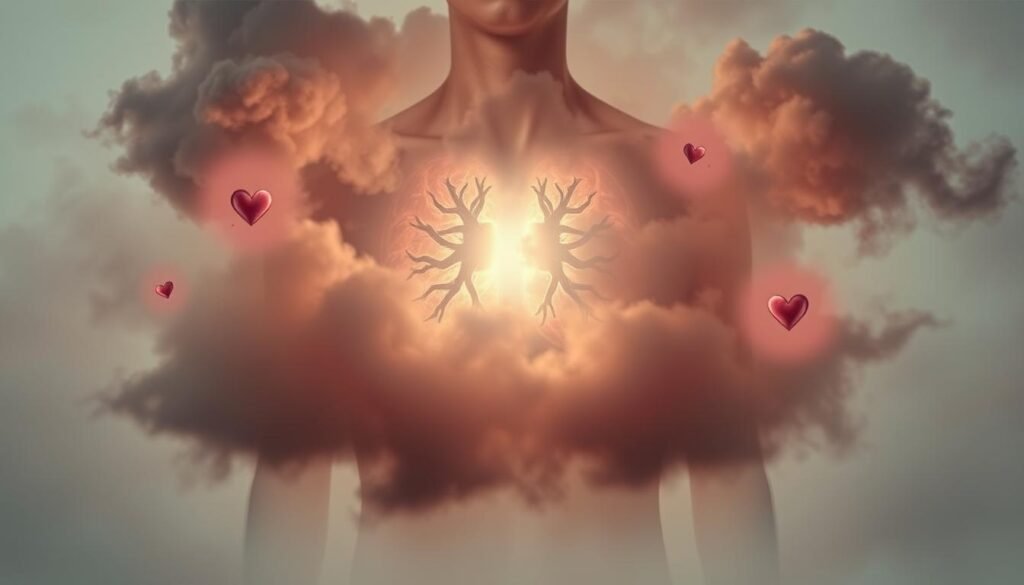
Causes of Noncardiac Chest Pain Linked to Depression
A variety of factors can cause noncardiac chest pain. Often, these factors are linked with emotional stress. People with depression are more likely to feel this type of chest pain. It can greatly affect their life’s quality.
One main cause is esophageal problems, like gastroesophageal reflux disease (GERD). GERD can make you feel like you have heart pain. Anxiety or stress can make muscles tense, especially in the chest. This tension adds to the feeling of pain.
Stress can make you more aware of this pain. So, you might feel it more strongly. This shows how our body responds to emotional stress.
Research shows that noncardiac chest pain is pretty common. About 25% of people in some studies had it. In different places, the rates varied from 19% to 33%. This means many people, regardless of gender, experience it.
It’s important to see the link between noncardiac chest pain and depression. Knowing this can help create better treatments. By focusing on both mental and physical health, doctors can help ease the symptoms. This approach is key to helping patients feel better.
Diagnosing Depression Chest Pain vs. Cardiac Conditions
Figuring out if chest pain is from depression or a heart condition is tricky. Symptoms often look the same, which confuses patients and doctors. To find the cause of chest pain, doctors look at the patient’s health history, do a physical check, and might do more tests.
Things like not exercising, sleeping poorly, smoking, and how bad the pain feels are important. For example, not exercising can greatly increase depression, with a chance ratio of 1.78. Also, poor sleep can raise the risk of depression, with a chance ratio of 2.98.
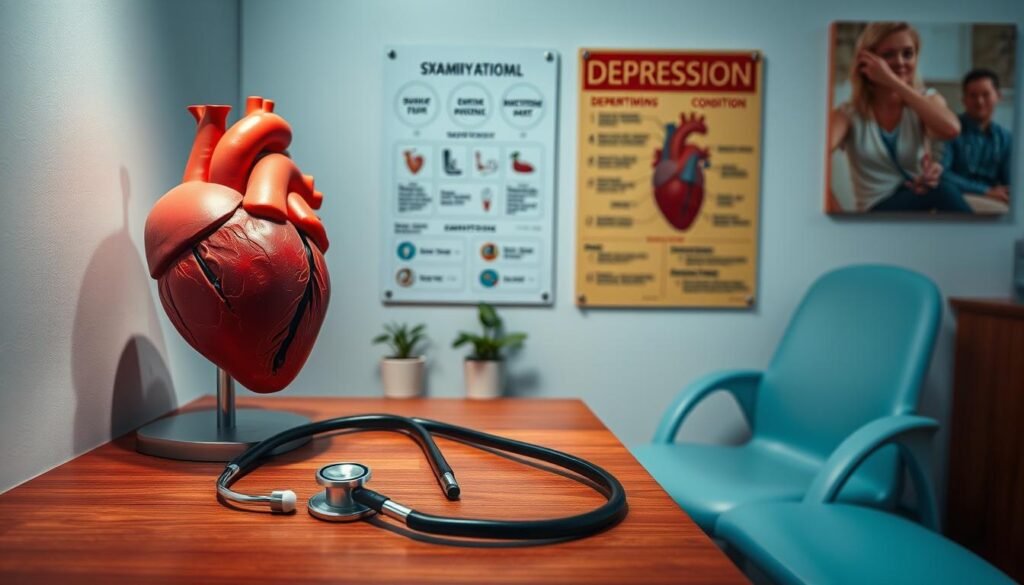
Doctors must watch for heart issues when treating depression symptoms. By focusing on both, they can make better treatment plans. Telling the difference can stop wrong diagnoses and treatments that aren’t needed. Knowing how emotional and medical issues are linked helps in caring for patients better and improves their lives.
To learn more about sleep and mental health, see how getting better sleep can help mental health with this valuable resource.
| Predictor | Odds Ratio (OR) | 95% Confidence Interval (CI) |
|---|---|---|
| Lack of Physical Activity | 1.78 | (1.09-2.87) |
| Poor Sleep Quality | 2.98 | (1.15-7.69) |
| Smoker Status | 1.33 | (2.41-4.03) |
| Present Pain Intensity | 1.08 | (1.05-1.11) |
| Type D Personality | 2.43 | (1.47-4.03) |
| Somatization | 1.22 | (1.15-1.3) |
Relief Options for Depression Chest Pain
Finding ways to ease depression chest pain is vital. It helps manage both emotional and physical pain. Many treatments aim to help with both issues.
Therapeutic Approaches
Cognitive behavioral therapy (CBT) is a key method for easing depression chest pain. It works on coping with pain and boosting emotional health. CBT helps change negative thoughts, which lowers anxiety and pain.
Pharmacological Interventions
Medicines like duloxetine and venlafaxine are used for chest pain. They improve how neurotransmitters work. This helps relieve long-lasting pain from depression. These meds offer hope for those struggling. Learn more about treatment through the National Institute of Mental Health.
Stress Management Techniques for Relief
To feel better emotionally, it’s important to manage stress well. This is especially true for people feeling down or who get chest pain from stress. Techniques like deep breaths, staying in the moment, and being active can help. These activities make you feel relaxed and ease your symptoms.
Relaxation techniques are known to reduce blood pressure and loosen tight muscles. They can make you sleep better and feel happier and more focused. They also cut down on anxiety and irritation. To get the best results, you should try different methods. These include:
- Autogenic relaxation
- Progressive muscle relaxation
- Visualization
- Massage therapy
- Meditation
- Tai chi and yoga
- Biofeedback
- Music and art therapy
- Aromatherapy
- Hydrotherapy
Adding good coping skills makes these techniques even more helpful. Using positive thinking, humor, and problem-solving can boost your mood and stress management. Eating healthily also supports your body in dealing with stress.
Being active is key to managing stress. Exercise releases chemicals in your body that make you feel peaceful. It also helps you sleep better. Even small changes, like biking instead of driving, make a big difference.
Using different ways to relax, along with support from loved ones, strengthens your emotional health. If one method doesn’t work, try another or talk to a doctor. Regularly practicing these stress management techniques greatly improves your health. It helps lead to a balanced life.
The Role of Counseling Services in Addressing Symptoms
Counseling services play a key role in dealing with depression-related chest pain. They provide a safe space for people to explore their feelings. This helps them understand and express their struggles. The process builds coping skills and resilience, leading them through their hard times.
Cognitive Behavioral Therapy (CBT) often takes place across 10 to 20 sessions. This setup lets therapists and clients work closely together. They focus on managing symptoms and finding emotional clarity. Often, this can greatly reduce depression symptoms, highlighting the value of counseling in the healing process.
Person-centered care proves more effective, focusing on unique strategies for each person. This approach helps ease current symptoms and equips individuals to handle future challenges. This is key as depression rates rise, influenced by factors like global events.
Using counseling services helps people tackle their feelings head-on. It leads to timely diagnoses and personalized care plans. With ongoing research on mental and physical health links, counseling is vital for managing symptoms like depression chest pain.
Exploring the Mind-Body Connection in Pain Perception
The connection between our minds and bodies shapes how we feel pain. It’s important to know this to better handle the emotional side of pain. This can make treatments more effective. Feelings like stress and anxiety can make physical pain worse, like chest pain. So, taking care of mental health is as crucial as treating the body.
How Emotions Influence Physical Symptoms
Over 50 million Americans deal with chronic pain every year. This makes up more than 80% of doctor visits. How we think and feel plays a big role in this pain. For example, seeing things in a very negative light can make pain outcomes worse. People who do this might have trouble with their body’s natural pain relief. This could lead them to rely more on painkillers.

Science shows our emotions impact how we physically feel. Good feelings can boost our bodies’ painkillers, helping ease pain. On the other hand, stress and worry can make pain felt more strongly. If these feelings last a long time, they can make symptoms worse.
| Emotion | Effect on Pain Perception | Management Strategies |
|---|---|---|
| Positive emotions | Reduce pain perception through endorphin release | Engagement in enjoyable activities, positive self-talk |
| Stress | Intensifies pain experience, opens pain gates | Relaxation techniques, mindfulness practices |
| Anxiety | Contributes to heightened pain sensitivity | Cognitive behavioral therapy, deep breathing exercises |
| Depression | Linked to chronic pain, may worsen symptoms | Therapeutic interventions, regular exercise, social support |
MBSR and CBT have become popular for changing how we perceive pain by tackling emotional problems. Adding yoga and breathing exercises can strengthen the mind-body link. This helps control pain and boosts overall health. Recognizing the role of emotions in pain is key to treating the whole person.
Heart Health Considerations for Individuals with Depression
People with depression should keep an eye on their heart health. More than a third of Americans over 18 have depression. This can increase the risk of heart problems, especially cardiovascular disease (CVD).
One in five adults in the U.S. has a mental illness. This fact shows why it’s important to watch our health closely.
Those feeling mentally unwell for up to 13 days in a month face a higher chance of heart issues. If the bad mental health days are 14 or more, the risk goes up even more. This link between mental health and heart health can’t be ignored.
It’s vital to understand how depression affects heart health. Everyone needs to check their health and talk to doctors often. Getting help for both your mind and heart can help lower these risks. This can lead to a better life.
Conclusion
Understanding depression chest pain is vital. It shows how mental and physical health are connected. Studies, like the one with 161 patients, show that our minds greatly affect pain.
Knowing how to manage this pain is key for well-being. Treatments like cognitive behavioral therapy help a lot. They improve life for those dealing with depression and chest pain.
It was found that patients with more depression at the start saw better results. This was after 12 months in a cognitive behavioral therapy program online.
We need to know more about how depression and chest pain are linked. Issues like anxiety can make it harder to treat, especially in women. Bringing more awareness and care together can lead to healing.
If you want deeper info, check out this research. It dives into how emotional and physical pain meet.