Did you know about 5 people take their own lives every day in Ohio? This fact stresses the need for better mental health services. The World Health Organization says over 300 million suffer from depression worldwide. It’s a leading cause of not being able to work. Sadly, more than one-third of those who need help don’t get it.
If you’re looking for strong support, consider depression inpatient treatment. These programs offer a secure place for healing. Folks can access proven therapies and the right meds here. Places like The Trails mix regular treatments with activities like yoga and art, for a well-rounded care plan. Knowing where to find good mental health places near you can really help on the road to feeling better.
Key Takeaways
- Over 300 million people deal with depression worldwide, and many go without help.
- Inpatient treatment provides a secure setting for successful healing.
- The Trails focuses on tailored mental health care with holistic methods.
- Finding local help is key to beginning treatment for depression.
- It’s important to treat other disorders alongside depression for full care.
Understanding Depression: A Global Perspective
Depression is a major mental health issue, impacting millions worldwide in various ways. To treat and support those affected, we must understand this condition well. This section looks into what depression means and the types people may face. It focuses on major depressive disorder and clinical depression as examples.
What is Depression?
Often known as major depressive disorder, depression is a mental illness that changes how one thinks and feels. It can make someone feel hopeless, lose interest in fun activities, and alter eating or sleeping habits. The World Health Organization sees it as a top cause of disability. It makes daily life and finding joy in things hard. Getting the right treatment early can make a big difference.
Different Types of Depression
Knowing the different types of depression helps in finding the best treatment. Types include:
- Clinical Depression: This type has long-lasting symptoms that disrupt everyday life.
- Persistent Depressive Disorder (PDD): This chronic depression lasts for two years or more.
- Postpartum Depression: New moms may experience deep sadness, anxiety, and tiredness.
- Bipolar Disorder: This involves changing between manic highs and depressive lows.
- Disruptive Mood Dysregulation Disorder (DMDD): Found mainly in children, it’s defined by severe tantrums and irritability.
- Cyclothymia: This features mild highs and depressive periods.
Understanding these different types is key in creating custom treatment plans. Some people face treatment-resistant depression, which is harder to manage. They may need special programs with proven therapies and new methods to help recover and better their life quality.
The Importance of Seeking Help
Knowing when to get help is key in bettering mental health. Spotting depression early means faster treatment. Symptoms like ongoing sadness, eating less or more, trouble sleeping, and feeling empty are signs. These, along with thinking about suicide, stress the need for expert help.
Recognizing Symptoms of Depression
It’s crucial to notice depression symptoms early. They vary but often include:
- Persistent feelings of sadness or anxiety
- Significant changes in appetite
- Sleep disturbances, such as insomnia or excessive sleeping
- Fatigue or low energy levels
- Feelings of worthlessness or guilt
- Thoughts of self-harm or suicide
Addressing these symptoms early is critical. They heavily influence daily living. They strain relationships and can make one feel more isolated.
Impact on Daily Life and Relationships
Depression affects more than just the person; it touches every part of life. It can make keeping up with friends and responsibilities hard. Those with depression often pull back from loved ones. This can make loneliness and sadness worse.
Getting support, like going to a mental health program, helps people reconnect. It gives structured care and helps develop skills to communicate better and understand emotions. For info on why getting help is crucial, visit signs of needing rehab.

Asking for help is a big step in healing. The right support leads to recovery and a happier life. Tools like therapy, group meetings, and family involvement are key in tackling depression. To learn more about helping those with depression, check out help for depression sufferers.
What is Inpatient Treatment?
Inpatient treatment provides a structured environment for those with severe depression. It is at a specialized place with 24/7 monitoring by medical staff. This is vital when outpatient methods aren’t enough. It gives the focus and tools needed for healing.
Defining Inpatient Care for Depression
This care means staying at a facility tailored for personal healing. People go through one-on-one therapy to work on harmful thoughts and triggers of their depression. There are programs for additional issues like substance use disorders. Places like Seven Hills Hospital offer care for all ages, improving the success of treatment for depression.
Benefits of Inpatient Treatment
Inpatient care has many key benefits. These are important for getting better.
- Round-the-clock support: 24/7 care means help is always there, ensuring safety and health.
- A focused healing environment: Being away from daily stress lets people focus on recovery.
- Access to diverse therapies: Group sessions and other therapies offer a wide-ranging approach, along with managing medication.
Inpatient care is vital for those with severe depression. It helps improve life quality. Understanding how depression affects the brain is key for effective care. This stresses the need for specialized treatment for mental and emotional health.

Types of Facilities for Inpatient Treatment
There are many options for inpatient treatment for depression. Each type of facility meets different needs with specialized care. Knowing about these can help find the best support for mental health.
Mental Health Facilities
Mental health facilities offer a wide range of services for mental conditions. They use a team approach with psychiatry, psychology, and therapy. Patients get structured care, professional supervision, and tailored treatments.
Psychoanalytic Hospitals
Psychoanalytic hospitals focus on the psychological issues behind mood disorders. They help understand the thoughts and feelings causing depression. Using psychoanalytic principles, they find patterns from the past affecting present health for better depression management.
Residential Treatment Programs
Residential treatment programs take a whole-person approach to recovery. They promote social interaction and support in group settings. For instance, Dana Point Residential Mental Health offers group therapy with holistic treatments for long-term success. They also connect patients to resources to prevent relapse.
| Facility Type | Focus | Treatment Style |
|---|---|---|
| Mental Health Facilities | Comprehensive mental health services | Multidisciplinary team approach |
| Psychoanalytic Hospitals | Deeper psychological exploration | Psychoanalytic therapy and support |
| Residential Treatment Programs | Holistic recovery | Community support and integration |
Depression Inpatient Treatment Near Me
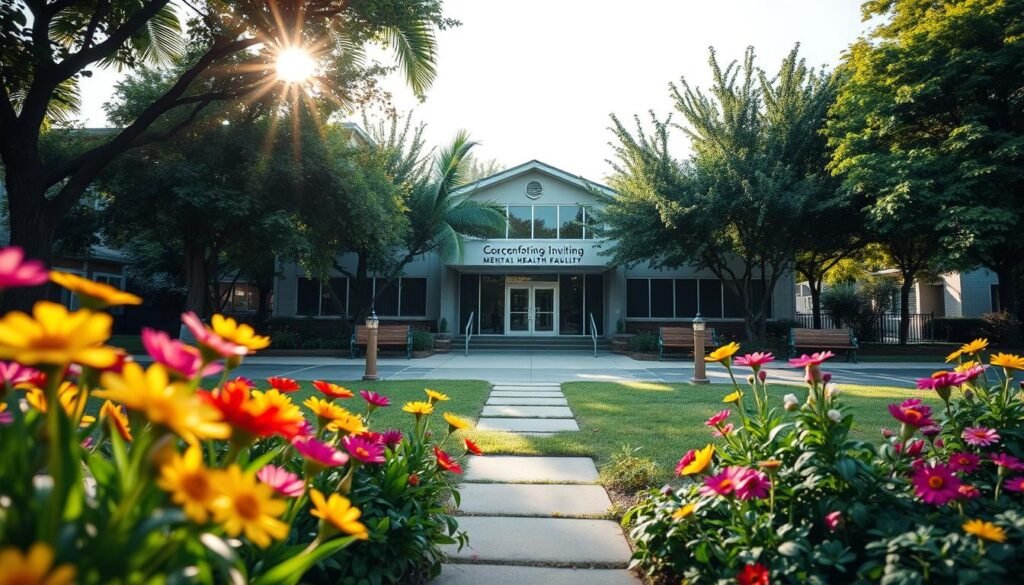
Looking for depression inpatient treatment nearby means using different local sources. You can find good options by checking mental health directories and hospital lists. It’s vital to carefully look at what each place provides. This includes their treatment programs, the staff’s qualifications, and what other patients have said. With this info, you can make a smart choice about where to get help.
Finding Local Resources
Seeking local resources requires exploring both traditional and modern paths. Many hospitals have mental health sections for treating depression. Websites focused on mental health make it easier to find facilities close to you. Community groups can offer more help and advice in picking the top treatment options.
How to Choose the Right Facility
Picking the best facility is key for effective treatment and getting better. People should look at important things, such as:
- Qualifications of Staff: Well-trained and experienced staff can greatly improve the treatment you receive.
- Personalized Treatment Plans: Top places create custom treatment plans to fit each person’s needs, which helps a lot in recovery.
- Variety of Treatment Options: Good facilities have many therapies available, like Cognitive Behavioral Therapy (CBT) and group therapy, to tackle all parts of depression.
- Integration of Non-Traditional Approaches: Some places have unique treatments like recreational activities or nutrition advice, adding value to standard care.
- Post-treatment Planning: It’s a good sign if a facility helps plan for what comes after inpatient care, supporting ongoing recovery.
Options like emotional wellness retreats can also help, offering a different way to heal. These retreats focus on experiences that boost mental health. When looking for depression treatment, resources like BryLin Hospital can give personalized support meant for your specific situation. This ensures a full approach to getting better. For more details, check BryLin Hospital.
Understanding the Treatment Process
The journey toward recovery from depression begins by assessing and diagnosing the individual. This critical first step leads mental health professionals to select the right treatment options. These options are specific to each person’s needs.
Assessment and Diagnosis
In the assessment phase, skilled experts look into symptoms, personal background, and any other mental health issues. It’s key for pinpointing the exact problem and making an effective care plan. A correct assessment and diagnosis lay the foundation for a successful recovery journey.
Levels of Care and Treatment Options
Depression treatment offers various levels of care:
- Outpatient programs
- Intensive outpatient programs
- Partial hospitalization
- Residential or inpatient programs
Each option provides a specific type of support. It helps individuals find the right care for their depression’s severity. Knowing these treatment options aids in selecting a program that fits their recovery goals.
Types of Therapy Used
Therapy for depression comes in different forms. Here are some common types of therapy for depression:
| Type of Therapy | Description |
|---|---|
| Cognitive Behavioral Therapy (CBT) | Targets negative thinking and behaviors linked to depression. |
| Interpersonal Therapy (IPT) | Focuses on improving relationships and communication skills. |
| Dialectical Behavioral Therapy (DBT) | Mixes cognitive methods with mindfulness for better emotional control. |
| Mindfulness-Based Cognitive Therapy (MBCT) | Combines mindfulness with cognitive therapy to prevent depression from returning. |
Each therapy has a special role in addressing depression’s root causes. They provide a systematic path to recovery.
What to Expect During Inpatient Treatment
Inpatient treatment for depression creates a healing space. Patients follow a daily schedule filled with healing activities. This environment supports making connections with caring staff and other patients, building a supportive community.
Daily Life in an Inpatient Setting
Daily life in inpatient treatment is structured to help recovery. Each day includes:
- Individual therapy sessions focusing on personal challenges and coping strategies.
- Group therapy sessions encouraging peer interaction and shared experiences.
- Wellness activities like yoga or meditation aimed at enhancing mental well-being.
- Supportive check-ins with medical staff and counselors to discuss progress.
- Relaxation periods to absorb the day’s lessons and practice self-care.
This routine promotes accountability and highlights the role of community support in recovery.
Medications and Therapy Combination
Managing medications is key in treating depression effectively. Antidepressants help stabilize mood alongside therapy sessions. This combination enhances treatment effectiveness. Patients often adjust medications with healthcare professionals’ help.
At places like Canyon Ridge Hospital, therapy and medication are tailored to patient needs. Regular assessments ensure the best medication choices while providing essential therapy.
| Activity | Description |
|---|---|
| Individual Therapy | Personal sessions with licensed therapists to address specific issues. |
| Group Therapy | Sessions that encourage interaction among patients to share experiences and support one another. |
| Medication Management | Regular reviews and adjustments to medication, guided by mental health professionals. |
| Wellness Activities | Activities such as yoga or relaxation exercises that support mental health. |
| Support Check-Ins | Daily discussions with staff about treatment progress and any concerns. |
Aftercare and Relapse Prevention
Aftercare for depression is key to long-term health for those working through mental health issues. It’s vital to have strong support systems like family, friends, therapists, and groups. This network keeps communication open about feelings and challenges. It also helps lessen the feeling of being alone.
Importance of Support Systems
Having good support can greatly help recovery. Talking with peers and pros lets people share their struggles and how they cope. Support groups offer a safe space to meet and learn from others in similar situations. This shared experience builds strength and keeps people focused on staying well.
Continued Therapy Options
Ongoing therapy helps keep the support going post-treatment. This can be through outpatient counseling, group sessions, or community programs. These methods allow for practicing relapse prevention strategies, like knowing what triggers stress and managing it. Places like Roots Through Recovery provide full aftercare, aiding in smoothly getting back to everyday life while keeping up with learned coping skills.
Sticking to aftercare plans and getting professional advice is key to staying emotionally healthy. Being committed to support and using prevention methods increases recovery success. This helps in building a happier life.
Conclusion
Finding the right treatment for depression is key to getting better. Places like Twelve Oaks Recovery Center and Immersion Recovery Center help a lot. They make treatment plans that really fit what each person needs. This way, getting over depression with support becomes doable.
These centers give medical treatment and therapy, and they also make sure everyone feels supported. They have special programs for people like soldiers, veterans, and emergency workers. These programs tackle the unique problems that come with depression. Also, when you leave, they give you a plan to help you stay strong.
In the end, getting better involves professionals, proven therapies like Cognitive Behavioral Therapy, and new treatments such as Esketamine. When you reach out for help and use these tools, you can beat depression. And you can find joy in life again.