Did you know that 21 million adults in the U.S. had a major depressive episode in 2021? This number highlights the widespread impact of depression. It affects not just emotions but also brain structure and function. This alters how people think, feel, and act.
It’s vital to understand the depression neurobiology to grasp how brain changes can result in memory and emotional issues. Untreated depression can harm the hippocampus, prefrontal cortex, and limbic system. These areas are crucial for thinking and feeling. Understanding how depression affects brain function helps us see why early help and effective treatments are important.
For a deeper look at the effects of depression on the brain, we’ll explore how it changes the brain structurally and functionally. This guide will shine a light on these complex issues. It stresses the need for deep understanding and support.
Key Takeaways
- Depression can lead to physical changes in the brain, particularly in the hippocampus and prefrontal cortex.
- About 50% of adults who commit suicide have a history of mood disorders.
- Environmental factors, such as childhood trauma, can affect brain plasticity.
- Chronic depression can contribute to a decrease in gray matter volume, impacting cognitive and emotional functions.
- Effective therapies may help reverse some of the brain changes caused by depression.
- Timely intervention is crucial to prevent long-lasting damage to the brain.
Understanding Depression and Its Impact
Defining depression is key to understanding its wide-reaching effects. It involves symptoms like ongoing sadness, a loss of interest, and other emotional and physical problems. Unlike short-term mood swings, major depressive disorder deeply affects a person’s daily life. Knowing what depression is helps us see its effects on mental and brain health.
Defining Depression
Depression, also known as clinical depression, changes how people think, feel, and act. People may feel very tired, struggle to find motivation, and see changes in their sleep or appetite. It can be mild or severe, and long-lasting episodes make living life hard. It’s important to clearly define depression. This helps find those in need and highlights the urgency of getting support.
The Prevalence of Depression
Depression is a major health issue worldwide. In the U.S., about 21 million adults had a major depressive episode in 2020. These numbers show that, even with better treatments, many are still fighting this mental illness. Spotting signs of depression is crucial. Repeated episodes can worsen brain changes, making recovery harder. This underscores the need for more education and support to fight depression’s impact and stigma.
Effects of Depression on the Brain
Depression can deeply affect the brain, leading to significant structural changes. These changes can have lasting impacts on mental health and thinking abilities. Studies show a link between mental health issues and brain shrinkage. This is especially true in areas that control feelings and memory.
Structural Changes in the Brain
The National Institutes of Health found that depression can cause a decrease in gray matter volume (GMV). The hippocampus and prefrontal cortex are highly affected. If the depression lasts over ten years, brain inflammation can increase by up to 30%. This harms the brain’s ability to make decisions and remember things.
Also, major depressive disorder can lead to changes in brain volume. The thalamus and frontal cortex may shrink. Studies show that too much of the stress hormone cortisol can damage neuron growth. This damages how well the brain works.
Changes in Brain Volume and Activity
Depression changes how the brain functions, comparing those with and without the condition. A too-active amygdala can make emotional reactions stronger. This can lead to sleep problems and mood swings. On the other hand, a smaller prefrontal cortex can affect thinking and decision-making abilities.
These brain changes can disrupt daily life. A smaller amount of gray matter can make people focus more on bad memories than good ones. For more information, visit brain changes during depression.
| Brain Region | Impact of Depression | Key Findings |
|---|---|---|
| Hippocampus | Reduced Volume | Key area for memory; often shows shrinkage in depressed individuals. |
| Amygdala | Increased Activity | Linked to emotional responses; may lead to heightened anxiety and mood swings. |
| Prefrontal Cortex | Gray Matter Loss | Responsible for decision-making and emotional regulation; often diminished in volume. |
| Thalamus | Potential Shrinkage | Handles sensory processing and consciousness; may be affected by depression. |
Brain Changes in Depression
Understanding the effects of depression on the brain is important. It changes key areas like the hippocampus, amygdala, and prefrontal cortex. These changes are behind the symptoms people with depression face.
Key Areas Affected: Hippocampus, Amygdala, and Prefrontal Cortex
The link between depression and hippocampus shows how fragile this area is. It’s key for memory and learning. People with depression often have a smaller hippocampus, which makes stress impact them more. This can affect their learning and memory.
The connection to the depression and amygdala shows its effect on emotions. Changes in the amygdala can either make it bigger or smaller, depending on if anxiety is also present. This affects how people with depression regulate their emotions.
The depression and prefrontal cortex relationship affects thinking and impulse control. Those with major depressive disorder may have less active prefrontal cortexes. This leads to problems with focus, motivation, and managing emotions.
Inflammation and its Role in Brain Changes
Inflammation plays a key role in brain changes from depression. Studies suggest higher levels of certain proteins in the brain indicate more inflammation. Chronic inflammation harms nerve cells and stops the creation of new ones. It can make the brain age faster, worsening depression’s cognitive and emotional challenges.
The link between depression and inflammation shows the need for more research on treatments. Understanding this could lead to better ways to help those with depression.
Depression and Neurotransmitters
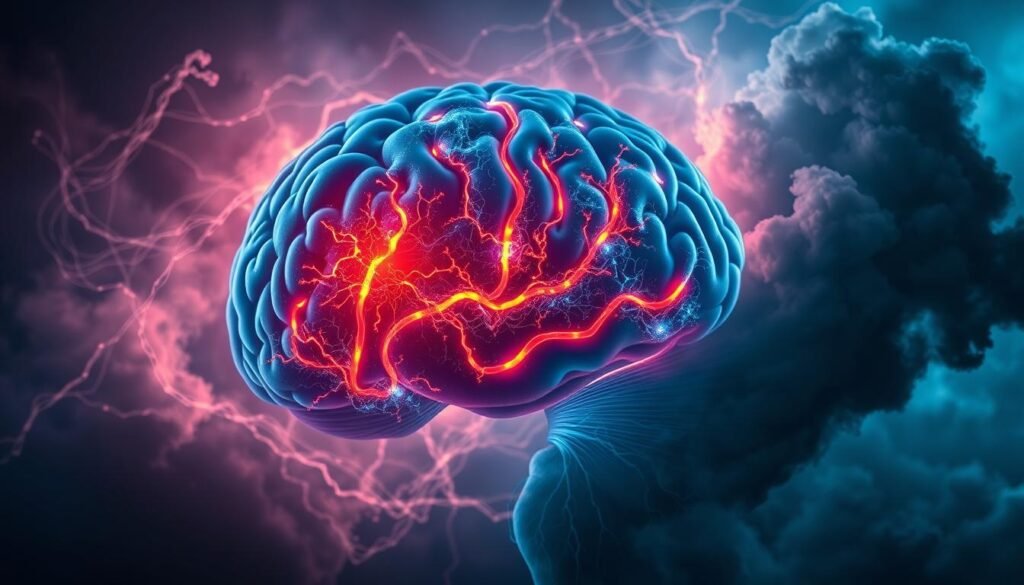
Understanding the link between depression and neurotransmitters is vital. Neurotransmitters are chemicals that help neurons talk to each other. They affect mood, emotions, and thinking. Important ones in depression are serotonin, dopamine, and norepinephrine.
Understanding Neurotransmitters and Their Functions
Each neurotransmitter has a role in mental health. For example:
- Serotonin: Affects mood, sleep, and appetite.
- Dopamine: Linked to pleasure, motivation, and rewards.
- Norepinephrine: Influences stress responses, alertness, and focus.
Low levels of these substances can lead to symptoms of depression. This shows how neurotransmitters are key to treatments.
Imbalances Caused by Depression
Depression often causes imbalances in serotonin and norepinephrine. A survey found 85% believe these imbalances cause depression. The catecholamine hypothesis backs this, pointing to norepinephrine deficits in brain circuits.
Reduced dopamine levels are also crucial in depression. People with depression may have lower levels, leading to:
- Less enjoyment in activities
- Sleep and appetite changes
- Anxiety feelings
These neurotransmitter effects highlight the need for early treatment. Antidepressants can boost neurotransmitter levels to fight depression.
Depression and Neuroplasticity
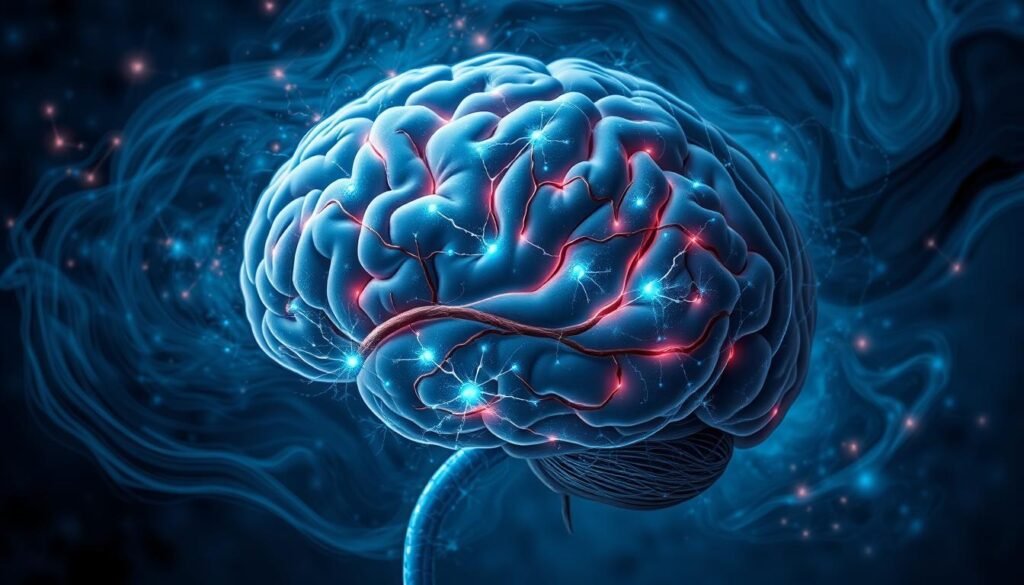
Understanding how the brain changes during tough times is key. Neuroplasticity is about the brain’s power to change and make new connections. This helps us recover from hard times and respond better emotionally. But depression can slow down these changes, hurting our mental health.
The Concept of Neuroplasticity
The brain can change throughout our lives. This is what neuroplasticity means. It helps us learn from what happens to us and heal from hurt or mental issues. Knowing how events and where we are affect our brain’s structure is important when talking about depression.
Improving neuroplasticity can make us handle our feelings better. It also boosts thinking skills and overall mental health.
How Depression Impacts Neuroplasticity
Studies show that depression can shrink parts of the brain, like the hippocampus. This happens because stress hormones mess with the brain’s ability to change, leading to trouble with thinking and feelings.
People with depression might react differently to certain brain tests than healthy people do. This means they could have trouble with memory and handling their emotions. How bad someone’s memory issues are could be linked to how much their hippocampus has shrunk.
However, some treatments might help fix the brain’s ability to change. SSRIs, a type of antidepressant, look promising, especially when used with other therapies. How these treatments help the brain change is a big topic in dealing with depression.

| Factor | Impact on Neuroplasticity |
|---|---|
| Major Depressive Disorder | Leads to reduced grey matter volume, especially in the hippocampus |
| Chronic Stress Hormones | Impair neuroplasticity, affecting cognitive functions |
| SSRI Treatment | Can enhance neuroplasticity when combined with specific therapies |
| Hippocampal Volume | Reduction correlates with memory impairment severity |
| Paired Associative Stimulation | Reduced in individuals with depression compared to healthy subjects |
The Biological Mechanism of Depression Neurobiology
It’s vital to understand how depression works in the brain. This understanding centers around neurotransmitter deficiencies. These deficiencies play a key role in the start and ongoing struggle with depressive disorders.
Neurotransmitter Deficiencies and Their Effects
Serotonin’s role in depression is well-known, but over 100 neurotransmitters affect our brains. These deficiencies can mess with how we regulate our emotions. They cause mood issues and trouble with thinking clearly in depression.
A shortage of neurotransmitters like dopamine and norepinephrine makes depression worse. They also make usual treatments less effective. The wide range of neurotransmitters involved shows that depression is complex. Changes in genes, lifestyle, and the environment can all change neurotransmitter levels. This makes depression hard to treat. For more details, see these insights.
Loss of Synaptic Connections
Long-term depression can break connections in the brain. This breaking down messes with how the brain talks to itself. It affects memory, focus, and making decisions. This makes life hard for those with major depressive disorder (MDD).
This breaking down of connections also makes getting better harder. It can stand in the way of recovery and treatment. Knowing these details can help us find better ways to help those with major depressive disorder.
| Neurotransmitter | Role in Depression | Impact of Deficiency |
|---|---|---|
| Serotonin | Mood regulation | Increased risk of depression and anxiety |
| Dopamine | Motivation and pleasure | Reduced pleasure and motivation, leading to apathy |
| Norepinephrine | Attention and response | Poor concentration and fatigue |
| Glutamate | Neuronal communication | Impaired synaptic plasticity, affecting learning and memory |
| GABA | Inhibitory neurotransmission | Increased anxiety and stress sensitivity |
Physical Symptoms of Depression on Brain Function
Depression is more than just feeling sad. It causes physical symptoms that affect how the brain works. One major effect is on memory. People find it hard to focus, make decisions, or remember things. This happens because of changes inside the brain.
Memory and Cognitive Impairment
Many dealing with depression struggle with memory and thinking clearly. Studies have found that a smaller hippocampus in the brain is linked with these problems. This shows that physical changes in the brain influence memory and thought processes.
Sleep problems, which are common in depression, also worsen these issues. This can make it tough to get through the day. Knowing about these memory problems is important. Proper care can lead to better mental health. For more details, click here.
Emotional Regulation Issues
Depression makes it hard to control emotions. People may feel very sad, guilty, or hopeless. The brain’s structure changes, especially in the amygdala and prefrontal cortex. This makes managing stress and relationships harder.
Over time, these challenges can create bad habits and health problems. Knowing how depression affects feelings helps. It lets doctors and patients work on better ways to cope.
| Symptom | Effects |
|---|---|
| Memory Loss | Difficulties in concentration and recalling information |
| Fatigue | Impaired daily functioning and reduced energy levels |
| Emotional Instability | Increased feelings of guilt, sadness, and hopelessness |
| Pain | Headaches, backaches, impacting overall health |
Potential for Recovery: Reversing Brain Changes
There’s hope in the fight against depression. Research now points to a bright side. It shows we can undo the brain changes caused by depression. These studies tell us that proper treatment not only makes us feel better. It can also fix the underlying brain issues, helping us recover fully.
Research on Treatment and Recovery
Scientific studies reveal that depression treatments can change our brains for the better. For example, cognitive-behavioral therapy might restore the brain’s gray matter. It also boosts our thinking skills. People getting this kind of therapy have seen brain activity that looks like that of someone without depression, especially after successful treatment.
Therapeutic Options Available
Lots of treatments can battle depression, each with its own advantages. We have:
- Medications, like antidepressants, that fix chemical imbalances.
- Cognitive-behavioral therapy, which helps change negative thinking.
- Exercise, known to lift mood and improve brain health.
- Neurostimulation, a newer method that targets specific brain areas.
These approaches do more than ease depression symptoms. They might actually reverse the harmful brain changes linked to it. It’s important to talk with a doctor to figure out the best plan for you.
Conclusion
Understanding depression is key to finding good treatments. Many people suffer from Major Depressive Disorder (MDD), with rates between 13.5% to 21.2%. This shows why we need to study depression’s effect on thinking, feelings, and brain structure.
Recovery from depression is tough. Only 20% of those with MDD recover and keep feeling well. About half may get depressed again within two years. This shows why learning about depression’s brain effects is so important. It helps create new treatments.
Therapies like antidepressants and cognitive behavioral therapy help fix chemical imbalances and reduce inflammation. Using many approaches together is important. They not only help people recover but also improve life quality for those dealing with depression. This tells us we need both understanding and new science to fight depression.