About 1 in 5 adults in the U.S. face mental health issues every year. This fact shows we urgently need more effective treatments. Many people are now looking at natural options besides the usual medicines. These natural treatments for anxiety and depression offer many choices. They aim to improve mental health with fewer side effects than standard drugs.
This article talks about various natural ways to handle these emotional challenges. It covers herbal therapies, mindfulness practices, and changing one’s lifestyle. There’s a lot of research showing these natural methods can help with mental health. By trying these, individuals may see their emotional well-being and life quality get better. For tips on handling stress, check out stress management techniques.
Key Takeaways
- 1 in 5 U.S. adults face mental health challenges annually.
- Natural treatments can provide effective alternatives to pharmaceuticals.
- Holistic remedies include herbal therapies and lifestyle changes.
- Mindfulness techniques are gaining traction for easing anxiety and depression.
- Combining natural and conventional treatments may enhance therapeutic outcomes.
Understanding Anxiety and Depression
To really understand anxiety and depression, we need to explore what they are. Anxiety is overwhelming worry and fear that makes daily life hard. Depression is often about feeling very sad and losing interest in what you used to like. These two issues often happen together, making each other worse.
Defining Anxiety and Depression
Anxiety shows up as restlessness, a fast heartbeat, and a lot of worry. People with anxiety might find it hard to focus because their thoughts won’t slow down. Depression, on the other side, makes people feel hopeless, very tired, and not want to do anything. It’s important to know how anxiety looks in different people. Knowing the specific signs of each can help us understand them better.
How They Interconnect
Anxiety and depression are closely linked in mental health. It’s common for someone with one of these conditions to show signs of the other. The stress from constant anxiety can make someone feel really sad. And being depressed can make someone feel more anxious. This shows why treatment needs to look at both conditions together.
| Factor | Anxiety | Depression |
|---|---|---|
| Core Symptoms | Worry, Fear, Restlessness | Sadness, Fatigue, Loss of Interest |
| Common Co-occurrence | Often occurs with depression | Often occurs with anxiety |
| Impact on Daily Life | Difficulty concentrating, insomnia | Feeling overwhelmed, lack of energy |
Natural Anxiety and Depression Treatments
Many people now prefer natural ways to fight anxiety and depression. These methods include things like herbal supplements, mindfulness, and changes in how one lives. These natural treatments focus on the whole person and avoid drugs. Knowing the pros and cons of these treatments is vital for those looking at different choices.
Overview of Natural Remedies
Herbal supplements are quite popular for easing mental stress. St. John’s wort and omega-3 fatty acids are among the top choices. Studies suggest St. John’s wort helps with mild-to-moderate depression better than a placebo. Omega-3s may also lower depression symptoms in both grown-ups and kids.
In the early 2000s, over 18.6% of U.S. adults turned to these herbal fixes for better health.

Comparison to Traditional Treatments
There’s a big difference between traditional and natural mental health treatments. Regular methods often use drugs, but natural ones focus on improving lifestyle and using mindfulness. Yoga and meditation can cut down anxiety a lot. They can work better than regular exercises.
Doctors emphasize getting a thorough diagnosis to choose the right treatment. It’s important to consider how herbal remedies might interact with other medicines. One needs expert advice to make safe choices. Each person must pick what’s best for their own health.
For more info on natural remedies, check out this source.
Herbal Treatments for Anxiety and Depression
Herbal treatments are becoming popular alternatives to traditional therapies for anxiety and depression. Many people now prefer natural remedies for health issues. Among well-known herbal treatments, some are promising for anxiety and mood problems, backed by scientific evidence.
St. John’s Wort: Benefits and Risks
St. John’s wort is known for helping with mild to moderate depression. St. John’s wort benefits include better mood and less anxiety. But, it can interact with many prescription drugs, affecting their effectiveness or causing more side effects. Anyone thinking about using it should talk to a healthcare provider to understand the benefits and potential issues.
Other Notable Herbal Supplements
Other herbal supplements like passionflower can help with anxiety, showing good results in studies without the usual medication side effects. Chamomile tea is possibly safe for short use and can help lower anxiety.
Lemon balm might help reduce anxiety, according to early research. Valerian root has mixed outcomes but could benefit some. These herbs together may support traditional treatments. Yet, the FDA does not check herbal supplements as strictly as drugs, so product quality can vary.

| Herb | Benefits | Potential Risks |
|---|---|---|
| St. John’s Wort | Mood enhancement, reduced anxiety symptoms | Interactions with medications |
| Passionflower | Reduces anxiety symptoms | Limited research on long-term effects |
| Chamomile | Short-term relief of anxiety | Allergic reactions in some individuals |
| Lemon Balm | Eases anxiety symptoms | Can cause stomach upset |
| Valerian | Possible reduction in anxiety | Potential side effects include dizziness |
It’s important for patients to talk with their doctors before starting any herbal treatments. This ensures that the herbs won’t interfere with current medications and helps keep risks low.
Research shows varied results for herbal remedies. Knowing their benefits and risks can help people make choices that suit their mental health needs better.
Mindfulness Techniques for Mental Well-Being
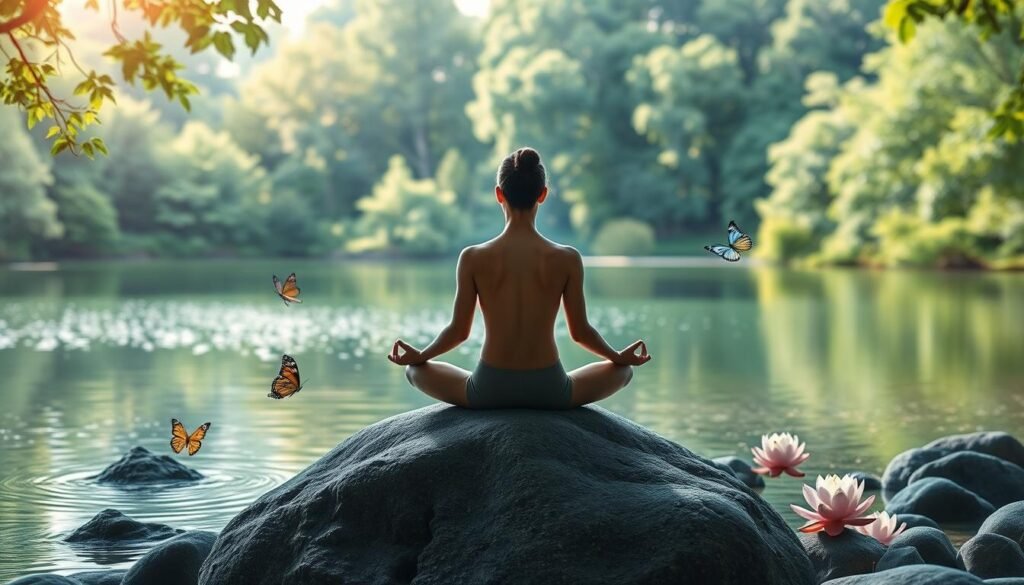
Mindfulness is key for better mental health. It’s about staying in the moment without judging. This practice helps us understand our thoughts, emotions, and feelings. It builds our ability to handle stress. Mindfulness can change how we feel about anxiety and depression.
What is Mindfulness?
Mindfulness makes us focus on the present. It helps fight the stress from anxiety and depression. It includes exercises like body scanning and silent meditation. These require quiet and minimal distractions. Being mindful outdoors can make the experience even better. Try to practice a little every day.
Benefits of Mindfulness Meditation
Meditation does more than help us relax. Research shows it’s good for anxiety, depression, sleep problems, and chronic pain. Some studies say it helps with asthma and fibromyalgia too. Practicing mindfulness can lead to:
- Improved attention span
- Decreased feelings of job burnout
- Enhanced sleep quality
- Better management of diabetes
Mindfulness helps us shift away from negative thoughts. It teaches us to balance and accept our emotions. If practiced for about six months, it can make a lasting difference. We can expect:
| Benefits | Impact on Mental Health |
|---|---|
| Reduces anxiety and depression | Improves emotional regulation and resilience |
| Lowers blood pressure | Enhances overall physical health |
| Improves sleep | Increases restorative rest and recovery |
| Encourages healthier dietary choices | Reduces binge eating and emotional eating |
Mindfulness not only eases stress and anxiety but also promotes healthier living. Just a few moments of practice daily can have big benefits. It’s crucial for a full mental health plan.
Alternative Therapies for Mental Health
Looking into different therapies for mental health can help people with anxiety and depression. Two well-liked methods are yoga and the guided imagery relaxation technique. These focus on how our bodies connect to our minds. They provide unique and helpful ways to feel better and manage stress.
Yoga and Its Impact on Mood
Yoga mixes physical poses, breathing exercises, and being mindful to help improve our feelings. Research shows doing yoga can reduce anxiety and depression. By focusing on breath and movement, we relax and feel better overall.
Those who practice yoga often feel more peaceful, steady, and happier.
Guided Imagery as a Relaxation Technique
The guided imagery technique is great for mental health too. It involves picturing calm scenes in your mind to steer away from stress. These peaceful images can relax the body and lower tension and worry.
Using guided imagery can enhance emotional well-being. It’s especially helpful for those dealing with anxiety and depression.
| Therapy Type | Benefits | Key Focus |
|---|---|---|
| Yoga | Reduces stress, enhances mood | Physical movement and breath control |
| Guided Imagery | Promotes relaxation, decreases anxiety | Mental visualization of calming scenes |
Natural Supplements for Anxiety and Depression
Many people look into natural supplements to help with anxiety and depression. Finding alternative treatments can greatly benefit mental health. It’s important to choose the right options. This discussion includes popular supplements and their possible effects on medications.
Commonly Used Supplements
Some natural supplements are known for their ability to ease symptoms of anxiety and depression. Let’s explore a few examples:
- Omega-3 Fatty Acids: A lack of omega-3 fatty acids may increase feelings of depression and anxiety. Fatty fish like salmon and sardines are good sources.
- Saffron: This spice is famous for boosting mood. It can effectively lessen depression symptoms, working as well as some regular antidepressants.
- Vitamin D: Not having enough vitamin D is strongly linked with depression. This is especially true for people who don’t get much sunlight.
- B Vitamins: Being low in B vitamins, including B12 and folate, can affect your mood. Taking supplements might help with neurotransmitter production.
- Magnesium: If you don’t have enough magnesium, your depression could get worse. Adding magnesium supplements might improve symptoms for those who need it.
- St. John’s Wort: This herb is well-known for treating mild to moderate depression by upping serotonin levels in the brain.
- Ashwagandha: As an adaptogenic herb, it’s thought to reduce stress and anxiety. It’s helpful for those struggling with depression.
Potential Interactions with Medications
When adding natural supplements to treat anxiety and depression, knowing about potential drug interactions is key. For instance, Saffron might affect certain antidepressants, and St. John’s Wort can lessen the impact of prescription medicines, including other antidepressants. Spotting these interactions is crucial for safety. Always talk to healthcare providers before starting supplements to ensure your health and safety.
| Supplement | Benefits | Potential Interactions |
|---|---|---|
| Omega-3 Fatty Acids | Improves mood, reduces anxiety. | May enhance the effect of certain antidepressants. |
| Saffron | Reduces depression symptoms. | Can interact with SSRIs and other antidepressants. |
| Vitamin D | Reduces depressive symptoms linked to sunlight exposure. | Generally low interaction but consult for specifics. |
| B Vitamins | Supports neurotransmitter production. | Consult about interactions with medications affecting mood. |
| St. John’s Wort | Effective for mild to moderate depression. | Interactions with SSRIs, birth control, and other medications. |
Understanding these interactions and benefits is crucial for anyone considering natural supplements for anxiety and depression.
Lifestyle Changes for Anxiety and Depression
Making targeted lifestyle changes can greatly affect mental health, especially in controlling anxiety and depression. Focusing on diet and exercise is key. A balanced diet for mental health and regular physical activity can help reduce symptoms of these conditions.
The Role of Diet and Nutrition
A balanced diet is crucial for mental well-being. The right nutrients can impact brain chemistry. For instance, omega-3 fatty acids in fish like salmon boost mood. Complex carbs, like whole grains, raise serotonin levels for a calming effect.
Eating foods rich in magnesium, folic acid, and Vitamin B fights depression and supports a happier mood.
More than 40% of adults report experiencing symptoms of anxiety or depression.
Adding protein to your breakfast helps keep blood sugar levels stable, important for steadying mood. Watch your intake of caffeine and alcohol, as they can disturb sleep and heighten anxiety. Staying hydrated is crucial since even mild dehydration can hurt your mood and emotional well-being.
Exercise as a Therapeutic Tool
Exercise for depression acts as an effective method to counter symptoms. Just 30 minutes of activity 3 to 5 days a week can improve mood and resistance to stress. Even something as simple as a brisk walk has a positive impact.
Yoga and meditation are known to ease stress and anxiety with mindful breathing and focus. A soothing bedtime routine is important for good sleep quality, especially for those with sleep issues from depression. A strong social support network is also critical in managing mental health issues.
| Food Group | Benefits |
|---|---|
| Fruit & Vegetables | Provide essential vitamins and minerals crucial for brain health. |
| Whole Grains | Increase serotonin levels, promoting relaxation. |
| Protein | Helps with satiety and maintaining stable blood sugar, aiding mood balance. |
| Omega-3 Fatty Acids | Support mood regulation and reduce depression symptoms. |
| Hydrating Foods & Beverages | Mild dehydration can negatively affect mood, so staying hydrated is key. |
Adopting these lifestyle changes for anxiety and depression promotes a holistic route to mental health, aiding individuals on their path to emotional well-being.
Integrative Approaches to Mental Health
An integrative approach to mental health pairs natural and traditional treatments. It helps tailor treatment plans that suit individual needs. It looks at the whole person, blending emotional, physical, and mental care.
Combining Natural and Conventional Treatments
Integrative mental health uses different therapy options. Cognitive-behavioral therapy (CBT), for example, works well for anxiety. When paired with mindfulness, outcomes improve for many people.
Natural remedies like omega-3s, combined with healthy eating and exercise, support these treatments. Mixing various methods increases the chance of success by treating symptoms and their causes.
The Importance of a Holistic Approach
Holistic health is key to the integrative method. It recognizes that mental health issues come from many areas. This approach focuses on overall well-being, not just symptom relief.
Supportive therapies such as yoga and meditation offer extra help. Studies show they can lessen anxiety and depression. They lead to healthier, fuller lives. For more information, visit this resource.
Conclusion
Exploring natural treatments shows us a whole-health way to tackle anxiety and depression. Options like St. John’s wort and lavender are promising. They can help ease the mind. Techniques like acupuncture and tai chi from traditional Chinese medicine are also beneficial. Adding diet changes and exercise makes this approach full-circle for emotional health.
This wrap-up stresses the need for care that fits the individual. Talking to healthcare providers helps create custom plans. Using natural remedies with standard treatments often works better. This combo leads to lasting health benefits.
Adopting a lifestyle that focuses on mindfulness, good eating, and staying active is vital. This strategy does more than just lessen symptoms. It builds strength and well-being for the long run. It’s a path to a happier life.