Have you ever thought about the rise in people choosing natural supplements for depression? Traditional methods like antidepressants and therapy don’t always help everyone. In fact, 54% of patients see no improvement with these options. That’s why there’s a growing interest in natural alternatives, like herbal supplements and vitamins, to manage depression.
Let’s dive into the world of natural supplements for depression. We’ll look at things like St. John’s wort and omega-3 fatty acids. These options have scientific backing and clinical trials behind them. However, it’s crucial to talk to a healthcare provider before starting anything new. This is because of potential interactions and how differently people can respond to the same treatment.
Embark on a discovery of how natural solutions can significantly boost mental health. They support a whole-body approach to tackle depression more effectively.
Key Takeaways
- Over 17 million adults in the U.S. battle with depression, leading to an interest in alternative options.
- Traditional antidepressants and therapy help only 46% of those trying them.
- Some natural supplements, like vitamin B9, might be as effective as certain prescription meds.
- Herbs like St. John’s wort and rhodiola could help lift your mood.
- Always check with a healthcare expert before starting on supplements for depression.
- Knowing the right dosage is key to the success of any supplement.
Understanding Depression and Its Treatment
Depression affects many people, causing sadness and less interest in daily life. This mental health issue includes types like major depression. About 17.3 million adults in the U.S. are dealing with it. That’s roughly 7.1% of all adults. Symptoms vary by age, impacting kids, teens, and adults.
What is Depression?
Signs of depression include feeling very sad, losing hope, and eating or sleeping more or less than usual. It can get worse with chronic illnesses like heart disease. More women and LGBTQI+ people experience depression, with high rates each year.
Traditional Treatment Options
Depression treatments combine talking therapies with medicines. SSRIs and SNRIs adjust brain chemistry. Meanwhile, therapy helps people cope emotionally. About 60% seek help, but 30% don’t find relief right away. This has led to new treatments like brain stimulation. Medicine might take 4 to 8 weeks to work, but some new treatments can help faster.
Role of Nutrition in Mental Health
It’s vital to see how what we eat affects our feelings and mental health. Studies show that our diet can change our mood and risk of mental health problems. Eating right is key to preventing and treating conditions like depression. A good diet is especially important for women of childbearing age to reduce the risk of feeling down.
The Link Between Nutrition and Mood
Today, researchers focus a lot on how diet impacts our mental health. They’ve found that eating patterns play a big role in how we feel. For example, eating a lot of junk food increases depression risks, while a healthy diet can make us feel better. Omega-3s are super important for our brain, and eating foods like fish can help fight off sadness. Also, sticking to a Mediterranean diet can lower depression chances.
Essential Nutrients for Mental Wellbeing
Knowing which vitamins and minerals help our mood is crucial. Here are some key ones:
- Omega-3 fatty acids: They’re great for brain health and fighting depression.
- B vitamins: Not having enough B6, B9, and B12 can make us feel tired and anxious.
- Minerals for mood: Magnesium and zinc are important; lacking them can increase depression.
- Antioxidants: They’re in many foods and can help reduce depression and anxiety.
Studies keep showing that the right nutrients can really help beat depression. For more details, check out this research article. It underlines the need for good nutrition and sometimes supplements to fill any gaps that could harm our mental health.
Natural Supplements for Depression
Natural supplements show promise as a support for depression. Many people look for alternatives to standard treatments. They explore various herbal and dietary supplements. Each option has unique features, possible benefits, and points to ponder on their effectiveness.
Overview of Various Supplements
Several natural remedies for depression are well-known. Among them are:
- St. John’s Wort: This herb is studied for its role in easing mild to moderate depression. It can interact with medications like blood thinners and birth control.
- SAMe: A man-made version of a body compound, SAMe might help with depression. But, taking high doses can lead to nausea.
- 5-HTP: This supplement could lift serotonin levels and mood. Yet, it can be dangerous with certain antidepressants, causing serotonin syndrome.
- Omega-3 Fatty Acids: Mostly found in fish, omega-3s are researched for mood improvement. However, the results are not definite yet.
- Saffron: Saffron may benefit those with depression. Still, large amounts can have negative effects.
How Supplements Support Mental Health
Supplements offer broad support for mental health. Supplements that help with depression can:
- Enhance neurotransmitter levels: They may boost brain chemicals that affect mood.
- Reduce inflammation: Some can fight inflammation, which is connected to depression.
- Balance hormonal changes: They may help stabilize mood-influencing hormones.
Though promising, natural remedies should not replace conventional therapies. They are supplementary options for those seeking a fuller approach to mental health.
| Supplement | Potential Benefits | Risks |
|---|---|---|
| St. John’s Wort | May reduce symptoms of mild to moderate depression | Interactions with various medications |
| SAMe | May elevate mood | Nausea and constipation at high doses |
| 5-HTP | May increase serotonin levels | Risk of serotonin syndrome |
| Omega-3 Fatty Acids | Possible mood enhancement | More research needed for conclusive outcomes |
| Saffron | Potential improvement in depressive symptoms | High doses can induce side effects |
St. John’s Wort: An Herbal Ally
St. John’s Wort is known as a natural option for those feeling down. It’s as useful as some medicines doctors prescribe for light to moderate depression. So, it’s a good choice for anyone looking into different ways to feel better.
Efficacy for Mild to Moderate Depression
Studies show that St. John’s Wort can make your mood better and lessen depression signs. It helps especially those who are very anxious because of certain health issues. Taking 300 to 400 milligrams three times a day has shown good results in studies.
Potential Side Effects and Interactions
Despite its benefits, St. John’s Wort can have side effects like:
- Agitation
- Dizziness
- Gastrointestinal discomfort
- Dry mouth
- Fatigue
- Insomnia
- Headaches
- Increased photosensitivity
Its ingredients might also react with other medicines, such as antidepressants and birth control. Hence, it’s key to talk to a health expert before you start taking St. John’s Wort.

| Side Effects | Interactions with Medications |
|---|---|
| Agitation | Antidepressants |
| Dizziness | Barbiturates |
| Gastrointestinal discomfort | Certain chemotherapy drugs |
| Increased photosensitivity | Immunosuppressive drugs |
| Fatigue | Statins |
| Insomnia | Contraceptive drugs |
This table shows the common side effects and medication interactions. Knowing these can help you make a well-informed decision on using St. John’s Wort for depression.
SAMe for Depression Relief
S-adenosylmethionine, or SAMe, is a natural compound in our bodies. It’s key for making neurotransmitters. Experts are looking at SAMe as a possible mood booster for depression sufferers. Studies show SAMe might work better than a placebo for mild-to-moderate depression. It may be as good as traditional antidepressants but without their downsides.
What is SAMe?
SAMe is made in a lab but it mimics a molecule we naturally produce. It helps make serotonin and other brain chemicals. People who don’t want standard antidepressants might find SAMe works faster. It can start helping in days, not weeks. Besides boosting mood, SAMe could ease osteoarthritis, fibromyalgia, and liver diseases. But, taking the right amount is crucial to avoid bad effects.
Research on Effectiveness and Safety
Lots of research has been done on SAMe’s effect and safety. One key study found 800 mg of SAMe daily can lessen depression symptoms. This is especially true if it’s used with certain other medications. Some people might take up to 3,200 mg a day for bigger benefits. However, caution is needed. Side effects like dry mouth, nausea, and trouble sleeping can happen. SAMe is not safe for pregnant or nursing moms. Also, it’s important to talk to a doctor before starting it because it can affect other medications.
5-HTP and Mood Enhancement
5-Hydroxytryptophan, more commonly known as 5-HTP, is a type of amino acid. It’s a key serotonin precursor. Serotonin is a brain chemical that helps control your mood. This makes 5-HTP a popular choice for those seeking mood improvement supplements.
Understanding 5-HTP
Our bodies change 5-HTP into serotonin. This helps with anxiety, depression, and sleep problems. Some research supports benefits of 5-HTP in feeling better and even in losing weight. People using 5-HTP felt less hungry and ate less.
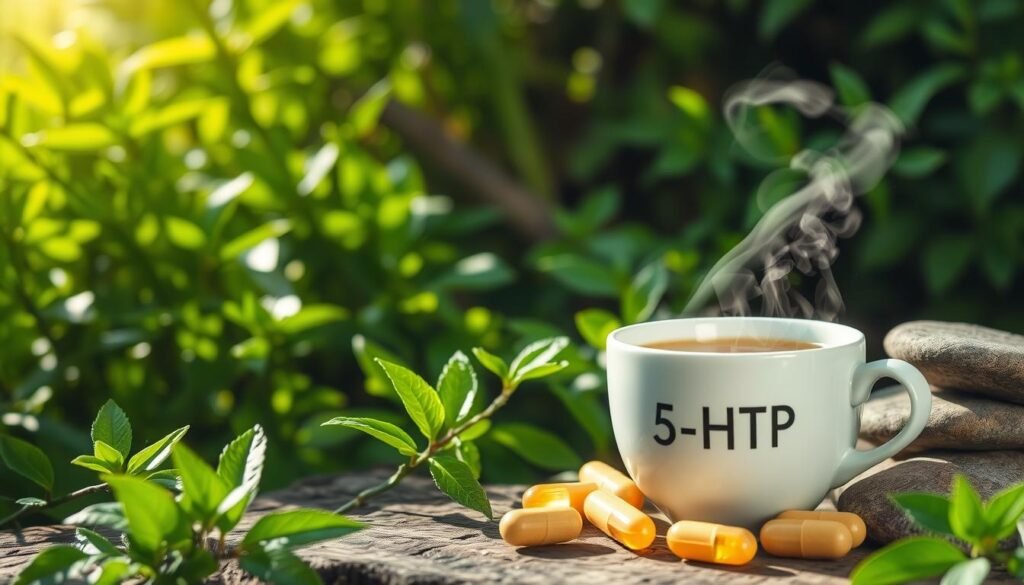
Studies show 5-HTP may help lessen depression symptoms over a few weeks. One study found major mood boosts after eight weeks. 5-HTP also appears to help with fibromyalgia pain and migraines.
Benefits and Risks
5-HTP has lots of benefits, but there are risks too. Side effects can include nausea, diarrhea, and stomach aches, depending on how much you take. Too much 5-HTP can lead to serotonin syndrome, especially with other drugs that raise serotonin.
Before trying 5-HTP for depression, talk to a doctor if you’re already on antidepressants. The prospect of 5-HTP as a natural serotonin boost is promising. However, it’s important to use it under medical advice. For more, read this detailed article about 5-HTP and its effects.
| Dose | Purpose | Recommended Duration |
|---|---|---|
| 100 mg twice daily | Mood enhancement | 8 weeks |
| 250-300 mg | Weight management | Ongoing |
| 100 mg 3-4 times per day | Fibromyalgia relief | Ongoing |
| 600 mg daily | Migraine prevention | Ongoing |
| 100-300 mg before bedtime | Sleep aid | Ongoing |
Omega-3 Fatty Acids for Mental Health
Omega-3 fatty acids are talked about a lot when it comes to mental health. These fats are key for a healthy brain. They are especially looked at for their ability to help with depression symptoms.
Knowing where omega-3s come from and what research says is useful. This helps understand how they work.
Sources of Omega-3
Common sources of omega-3 fatty acids include:
- Cold-water fish such as salmon and mackerel
- Flaxseeds and chia seeds
- Walnuts
- Algal oil (a vegan option)
Eating these foods helps your mental health. These essential fatty acids are really important for your brain and your health in general.
Research Findings on Omega-3’s Effects on Depression
Many studies have looked into omega-3 for mental health. The findings show it has several benefits when used in treatment.
- In a recent study with 165 patients, those who took 4 g/day of omega-3 saw big improvements in their depression symptoms. This was more than those who didn’t take omega-3.
- Using omega-3 with antidepressants helped people even more. They had bigger drops in their depression scores.
- People with more inflammation benefited the most from omega-3.
The research hints that omega-3 helps mood by fighting inflammation. More studies are ongoing to fully understand how omega-3 can help with depression. This includes seeing how it helps different kinds of people.
| Study Group | Intervention | Notable Outcomes |
|---|---|---|
| Arm-1 | Omega-3 only | Significant improvements in HDRS scores |
| Arm-2 | Antidepressants only | Moderate improvements, lower than Arm-3 |
| Arm-3 | Combination therapy | Best outcomes in depressive symptoms reduction |
Saffron: A Unique Natural Supplement
Saffron comes from the Crocus sativus flower and is gaining fame for its health benefits. It is known for its potential in fighting depression. The compound crocin might be why saffron helps lift the spirits.
Experts suggest taking about 30 mg daily. People might start feeling better in four to six weeks. This is good news for those wanting a natural way to feel happier.
Potential Benefits for Depression
Studies show that saffron can reduce the symptoms of depression. It works as well as some usual depression medicines for mild to moderate cases. Saffron has crocin and safranal that could protect the brain and reduce swelling.
These ingredients can also fight off oxidative stress. This is often linked with mood problems.

Safety Considerations
Generally, using saffron is safe, but you must be careful. Taking too much can cause nausea and dizziness. It’s important to know about how it might react with other medicines.
Also, not all saffron supplements are made the same. Some might be fake and not work well. Always check with a health expert before trying new herbs. This ensures your safety.
| Benefits of Saffron | Considerations |
|---|---|
| May alleviate symptoms of depression | Potential for side effects if consumed excessively |
| Contains antioxidants offering neuroprotective effects | May interact with other medications |
| Can enhance mood and promote relaxation | Quality may vary among products |
| Effective in conjunction with traditional treatments | Consult healthcare providers prior to use |
Saffron is a great choice for those looking for natural mood boosters. For more info on how to tackle depression naturally, check out this helpful website.
Why Consider Supplements for Depression?
Depression is not just about feeling sad. It has biological causes. These causes make depression a complex issue. Many people find help through supplements and dietary changes. They say these changes boost their mood and cut down on depression symptoms.
Addressing Biological Pathways of Depression
Treating depression naturally involves targeting the body’s inner workings. Several supplements have been shown to help. They improve mood in a big way:
- Omega-3 fatty acids can lessen symptoms of depression.
- Vitamin D is essential for mood management and often lacking in those with depression.
- Probiotics affect the link between the gut and brain, which can change mental health.
- B vitamins are crucial for making neurotransmitters that stabilize mood.
Supplementation in Conjunction with Conventional Treatment
Combining supplements with antidepressants can strengthen the treatment plan. This integrative approach aims for the best outcome from both methods. Always work with a doctor to avoid side effects or bad interactions between supplements and medicine.
Understanding this holistic view of mental health opens up new options. Talking to healthcare providers is key. They help find the best path to better mental health.
| Type of Supplement | Recommended Dosage | Potential Benefits |
|---|---|---|
| Omega-3 Fatty Acids | 0.7–2 g EPA, 0.4–0.8 g DHA daily | Improved mood and reduced depression scale |
| Vitamin D | 2000 IU/day or 50,000 IU/week | Alleviation of depressive symptoms |
| Probiotics | 10^8 CFU from Lactobacillus and Bifidobacterium | Reduction in depressive symptoms |
| B Vitamins | Varies by type; consult provider | Neurotransmitter regulation, mood support |
Conclusion
Exploring natural supplements for depression opens many doors for those looking for different treatments. Things like SAMe, omega-3 fatty acids, and saffron could help ease depression symptoms. They may improve mood by affecting our biological functions.
Before starting any supplement, talking to a healthcare professional is crucial. They help create a plan that fits you best. Also, be aware of how these supplements might interact with other medications you’re taking.
Combining herbal supplements with usual treatments can improve your mental health management. As studies keep showing their benefits, a holistic approach to mental well-being is more achievable. This encourages people to find what works best for them in their journey.