In 2016, almost 6.7% of U.S. adults went through a major depressive episode. Traditional treatments don’t always work, making people turn to natural supplements. They ask: which supplements help with depression and are they truly effective? It’s important to see past marketing and look at actual research. This article explores how some supplements might help with depression. But remember, we need strong research to prove they work.
Key Takeaways
- 6.7% of U.S. adults reported experiencing a major depressive episode in 2016.
- Natural supplements for depression are gaining popularity as alternatives to conventional treatments.
- Understanding what supplements help with depression requires examining scientific research and evidence.
- Some supplements may interact with prescribed medications, necessitating consultation with healthcare providers.
- Consumer caution is advised; the FDA does not monitor dietary supplements as strictly as medications.
Understanding Depression: An Overview
Depression is a complex mental health issue affecting millions in the United States. This depression overview explores its symptoms, both emotional and physical. Individuals often feel intense sadness, get very tired, and lose interest in everyday activities.
The symptoms of depression show up in many ways. People may feel hopeless, easily annoyed, and even physically uncomfortable. This could mean changes in how much they eat or sleep. These symptoms are part of mood disorders. They affect how people control their feelings.
There are many types of depression. Major depressive disorder and persistent depressive disorder (dysthymia) are quite common. Both have their unique signs but share a common feature: a continuous feeling of sadness. It’s shocking, but about 6.7% of adults had a major depressive episode in 2016.
The link between depression and not having enough of certain vitamins is gaining interest. Lack of vitamins like B-12 might lead to a higher chance of getting depressed. Older adults and vegetarians might not get enough B-12, which can make mental health issues worse.
What Supplements Help with Depression
Depression is a major health issue, affecting over 17 million adults in the US. Many don’t seek medical help. Instead, they look into natural alternatives. Supplements for depression are becoming more popular. This section talks about common supplements and how they may help with depression.
Commonly Used Natural Supplements
Some natural supplements often help with depression. They are:
- St. John’s Wort: Used for mild depression. It may change serotonin levels.
- Omega-3 Fatty Acids: These come from fish oil. They are very effective, especially if rich in EPA. Research shows they work better than placebos.
- SAM-e (S-adenosyl methionine): It helps with mood. It works well with other treatments.
- B Vitamins: This includes B6, B12, and folate. They are crucial for managing neurotransmitters, affecting mood.
- Vitamin D: If you have low levels, you might feel more depressed. Supplements can help you feel better.
- Zinc: Not having enough zinc can make depression worse.
- Magnesium: Studies suggest taking magnesium helps with depression. Many people with depression don’t have enough of it.
- Saffron: New research shows it can make depression less severe.
- Rhodiola: Taking it regularly can reduce symptoms noticeably.
Potential Benefits of Using Supplements
Supplements can have lots of benefits for those with depression. They can stabilize mood and improve well-being. A big review found that Omega-3s, SAM-e, and L-methylfolate are helpful, especially with medication.
Studies also show B vitamins help manage serotonin and dopamine. These are chemicals that affect mood. Plus, zinc and magnesium can help reduce depression symptoms. Even though these findings are promising, it’s important to be careful. Some supplements might not mix well with other medications. That’s why it’s key to talk to a professional before starting any supplements.
| Supplement | Common Uses | Potential Benefits |
|---|---|---|
| St. John’s Wort | Mild depression | Affects serotonin levels |
| Omega-3 Fatty Acids | Severe depression | Reduces depressive symptoms |
| SAM-e | Mood regulation | Improves mood when combined with medications |
| B Vitamins | Neurotransmitter support | Regulates serotonin and dopamine |
| Vitamin D | General mood enhancement | Helps in clinical improvements |
| Zinc | Severe depressive symptoms | Boosts mood through deficiency correction |
| Magnesium | Symptom alleviation | May reduce symptoms linked to deficiency |
| Saffron | Depression severity | More effective than placebo |
| Rhodiola | Meaningful symptom reduction | Improves mood with consistent use |
St. John’s Wort: A Potential Aid for Mild Depression
St. John’s Wort (Hypericum perforatum) is popular in the U.S. as a depression remedy. Studies about its effectiveness show different results. It seems to help with premenstrual syndrome and seasonal affective disorder symptoms, especially when used with other treatments.
Efficacy and Research Studies
Many studies have looked at St. John’s Wort for depression. Some women with premenstrual syndrome saw symptoms halve. Also, it appears to improve mood and ease menopause symptoms with black cohosh. But, recent findings suggest it might not be better than a placebo for serious depression. Check out WebMD for more information.
Possible Interactions and Side Effects
St. John’s Wort side effects are usually mild, like stomach upset and sensitivity to sunlight. However, it can interfere with many meds, changing their efficiency. People on certain meds, pregnant or nursing, should talk to a doctor before using it. Long-term safety beyond 12 weeks isn’t clear, so weigh the pros and cons carefully.
Omega-3 Fatty Acids: Are They Effective?
Omega-3 fatty acids are key for our health, especially for our minds. You can find them in fatty fish, flaxseeds, and walnuts. Their possible connection with fighting depression has sparked interest in their mood-boosting effects.
Sources of Omega-3 Fatty Acids
- Fatty fish: Salmon, mackerel, sardines, and albacore tuna.
- Plant sources: Flaxseeds, chia seeds, and walnuts.
- Fortified foods: Some eggs, milk, and yogurt might have Omega-3 added.
Eating a lot of these Omega-3 sources may cut the risk of getting depressed. This holds true especially for people prone to prenatal depression and bipolar disorder. It shows why getting enough Omega-3 is vital.
Research Findings on Depression Management
Lots of research links Omega-3 fatty acids and depression. Studies find that people with major depression often have less Omega-3 in their systems. How much Omega-3 and Omega-6 you have might affect how bad your depression is.
Studies testing Omega-3’s effectiveness are hopeful. They show that Omega-3 supplements often make depressive symptoms better compared to a placebo. The FDA suggests eating 2-3 servings of fish weekly to get these Omega-3 benefits.
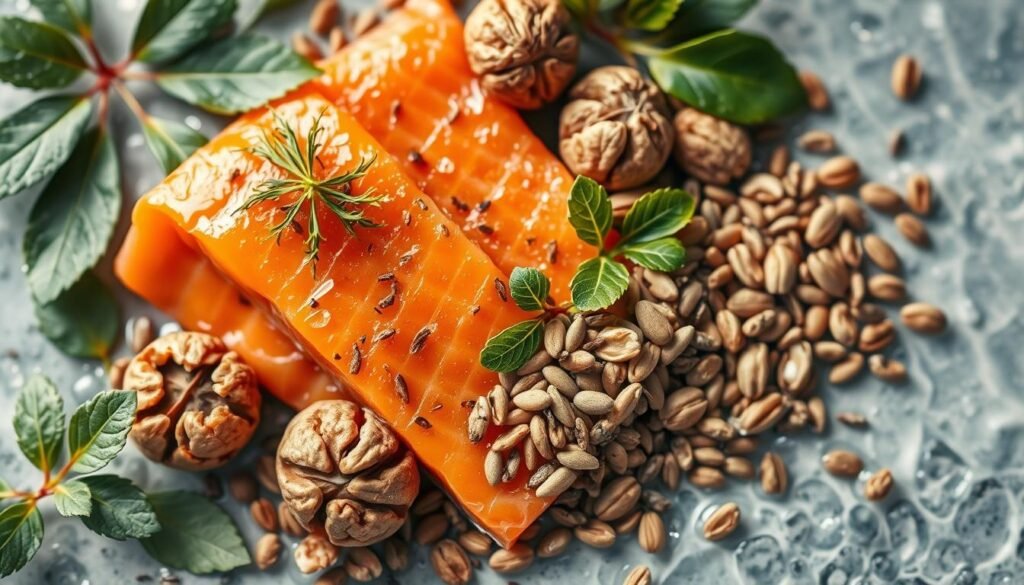
Omega-3 fatty acids can help with mood issues, but you must be careful. Too much can mess with your meds and cause side effects. Always talk to a doctor before starting Omega-3 supplements, especially if you already have health problems.
SAMe: Promising But Cautious
S-adenosylmethionine, commonly known as SAMe, is a compound that our bodies make naturally. It helps produce neurotransmitters, improving mood and fighting depression. However, when thinking about using SAMe for mild depression, we must be careful. Its safety and effectiveness need more study.
How SAMe Works in the Body
SAMe plays a role in methylation, which helps make key neurotransmitters like serotonin and dopamine. This supports mood regulation and emotional health. Its link with neurotransmitter production shows its potential in tackling depression.
Clinical Evidence and Safety Considerations
Research on SAMe’s safety and effectiveness offers mixed results. Some research shows it’s as good as some antidepressants. Yet, many studies haven’t proven this clearly. Users must watch out for possible side effects, like nausea or stomach issues.
Combining SAMe with prescription antidepressants may cause harmful interactions. Always talk to a healthcare provider before starting SAMe. This ensures a safe approach to treating depression.
For more on natural supplements, check out this guide and this resource for in-depth analysis of holistic remedies.
Vitamin D: A Missing Link?
Research has been looking into Vitamin D’s role in managing mood. Many studies link a lack of Vitamin D to feeling depressed. People with low Vitamin D levels may face a higher depression risk, like after childbirth.
Connection Between Vitamin D Levels and Mood
In 2018, a study found a link between low Vitamin D levels and depression. This connection makes us wonder how Vitamin D affects our minds. A 2020 study showed that Vitamin D supplements improved depression symptoms in 8 weeks.
Yet, another study in 2020 had different results. It involved over 18,000 people and found that Vitamin D didn’t change depression levels much. This shows the relationship between Vitamin D and depression isn’t simple.
Some people are more likely to lack Vitamin D. This includes those in northern places with little sunlight, especially in winter. It also affects people with darker skin, as melanin reduces Vitamin D absorption.
If you have symptoms like mood swings, tiredness, or no interest in things, check your Vitamin D. You can get more sunlight, eat foods rich in Vitamin D, or take supplements. These steps help keep your mood and health in good shape.

To learn more about Vitamin D and how it helps, talk to healthcare professionals. They can offer advice that fits your health needs. Knowing more about Vitamin D and improving it can help manage depression better.
Folate: The Role of B Vitamins in Mental Health
Folate, or Vitamin B9, is key in making neurotransmitters like serotonin. These chemicals play a big part in how we feel. Not having enough folate can make us feel really down, leading to depression. Studies show that getting enough folate can make antidepressants work better.
Importance of Folate in Neurotransmitter Production
To make serotonin and dopamine, we need enough folate. If we don’t have enough, we might feel moody or sad. People with a specific genetic difference, the MTHFR mutation, need folate even more. They struggle to process folate, which is vital for feeling ok.
Studies Linking Folate Deficiency and Depression
Research links not having enough folate with feeling more depressed and anxious. A big study found that men not eating enough folate were much more likely to feel depressed. Doctors say taking about 2 mg of folic acid can help. It boosts how well antidepressants work, showing folate’s big role in fighting depression.
| Key Findings | Implications for Mental Health |
|---|---|
| Low folate levels correlate with increased risk of depression | Indicates need for dietary supplement or intervention |
| Folate enhances the effects of antidepressants | Potentially leads to improved treatment outcomes |
| Men with low folic acid intake are 67% more likely to be depressed | Emphasizes importance of folate in diet |
| Folate supplementation beneficial for individuals with MTHFR mutation | Targets specific genetic factors affecting mental health |
Readers looking for more info on how folate helps with mood disorders should check out this study on folate and mental health.
Zinc and Magnesium: Essential Minerals for Mood
Zinc and magnesium are key for mental health. Studies show lacking these minerals can lead to more depression and worse mental well-being. We will look into how lacking these minerals affects mental health and the positive effects of zinc and magnesium supplements.
How Deficiencies Impact Mental Health
Lack of zinc and magnesium is connected to mood disorders. For example, not having enough zinc is linked with depression in both animal and human studies. People who don’t respond well to standard depression treatments often have low zinc levels. This shows that not getting enough zinc and magnesium can make depression worse. Hence, these minerals are crucial for our mental health.
Research on Supplementing Zinc and Magnesium
Many studies suggest zinc supplements can help fight depression. Those who don’t get enough zinc and then take supplements often see their mood improve. Magnesium is also important for mental health. Research shows it helps reduce depression symptoms, especially in younger people. Adding more of these minerals might greatly help those with mood disorders.
| Mineral | Role in Mental Health | Effects of Deficiency | Supplementation Benefits |
|---|---|---|---|
| Zinc | Supports neurotransmitter function | Increased risk of depression | May improve mood in deficient individuals |
| Magnesium | Regulates neurotransmitters | Linked to increased depression severity | Can alleviate depressive symptoms, especially in younger adults |
Probiotics: The Gut-Brain Connection
The connection between our gut health and mental well-being is fascinating. Scientists are finding out how our guts influence mood disorders. Probiotics are at the center of this research. They might help make our mental health better and ease depression symptoms.
Impact of Gut Health on Mood Disorders
Having a balanced gut can make you feel emotionally better. Studies show that probiotics could link to less depression. Our gut’s tiny organisms make substances that are good for our brain and behavior. When our gut health is off, it might make our mood worse and lead to stress.
Current Research on Probiotics and Depression
Recent studies on probiotics look hopeful for treating depression. Some people felt a lot better after taking probiotics regularly. Research found that probiotics might lower the symptoms of depression and anxiety. They could work well with usual treatments like medicines or talking to a therapist.
It’s usually okay to take probiotics, but check with a doctor first, especially if your immune system isn’t strong. Scientists are still learning which probiotics are best for our mental health. They are also studying how these effects might vary from person to person.
Conclusion
In our journey, we’ve looked at natural ways to fight depression and found several supplements with potential. Over 17 million adults in the U.S. have faced a major depressive episode. This fact shows the need for alternative solutions. Supplements like Omega-3 fatty acids, vitamin D, folate, and probiotics could help. They have shown positive effects in studies, helping with symptoms and boosting mental health.
However, talking to healthcare providers before starting supplements is key. This ensures their safe and effective use, especially as additional or alternative depression treatments. Everyone reacts differently to supplements, so treatments need to be tailored to each person.
It’s crucial to keep researching these natural remedies for depression. More knowledge lets patients make informed choices for their mental health care. They can pursue holistic health strategies with advice from healthcare experts, ensuring a balanced approach to overcoming depression.