Did you know that up to 80% of people dealing with mild to moderate depression can find relief without medicine? During Anxiety and Depression Awareness Week, it’s crucial to talk about non-medical ways to fight depression. These include changes in diet and daily habits, which can greatly affect our mental health.
Studies highlight how important lifestyle choices are, like eating well, exercising regularly, and practicing mindfulness. Eating foods rich in omega-3 oils and keeping blood sugar stable support brain health. This, in turn, helps regulate mood. This article looks into several natural options that encourage taking charge of one’s mental well-being through daily actions.
Key Takeaways
- Natural remedies can effectively aid in managing mild to moderate depression.
- A balanced diet with omega-3 oils and essential vitamins supports mental health.
- Regular exercise boosts endorphins, enhancing overall mood.
- Mindfulness meditation can significantly reduce depression symptoms.
- Pet interactions foster feelings of love and purpose, improving mental health.
- Listening to music and socializing can elevate spirits and alleviate anxiety.
- Small lifestyle changes can lead to improved mental outlook and well-being.
Understanding Depression and Its Impact
It’s very important to understand depression and its deep effects on mental health. About one in six people will face depression at some point in their life. This shows how common it is. Every year, 16 million adults struggle with depression. This shows it impacts people of all ages, races, and incomes.
Depression appears in many ways, like feeling very sad, losing hope, and getting easily upset. People may feel very tired and find it hard to do daily tasks. They might not find joy in activities they usually like. This depression impact can hurt friendships, work, and overall happiness.
Studies show that changes in brain signals, especially with serotonin, play a big part in causing depression. Living a healthy life and solving other health problems can help manage depression. People can also try therapies, like cognitive behavioral therapy, to fight off negative thoughts that feed depression.
Knowing the early signs of depression is crucial. A doctor can diagnose someone with depression if they have been feeling down for over two weeks. Being aware of risk factors and different types of depression can improve how we recognize and treat it. This helps us see the many ways depression affects people.
Natural Ways to Reduce Depression Symptoms
Depression affects thoughts, feelings, and physical health. It’s important to know its common symptoms. Many people battle with ongoing sadness, worry, tiredness, and eating differently. Recognizing these signs boosts self-knowledge and helps find the right support. While standard treatments help, some prefer natural ways to ease depression.
Common Symptoms of Depression
- Persistent feelings of sadness or emptiness
- Increased anxiety or agitation
- Fatigue and low energy levels
- Changes in appetite or weight
- Difficulty concentrating or making decisions
It’s critical to address these depression symptoms. If you notice these changes, evaluate your mental health. Be proactive in seeking help, especially if symptoms get worse.
Who Can Benefit from Natural Remedies?
Natural remedies are a choice for many, especially with mild or moderate symptoms. Studies show options like St. John’s Wort and omega-3 supplements can help. But, those with severe depression should talk to a doctor to avoid missed diagnoses.
Being around supportive people and doing things you enjoy can boost your mood. Mindfulness practices can also help. Natural methods are worth considering for an extra push towards wellness. Yet, remember the importance of professional advice when needed.
Diet Changes to Alleviate Depression
Eating the right foods is key to feeling mentally strong. What we eat greatly affects our mood and can help fight depression. Let’s explore how eating well is linked to feeling well, including what foods can boost your spirits.
Importance of Balanced Nutrition
Eating a well-rounded diet helps improve your mood and fight off depression. Foods packed with omega-3s, vitamins, and minerals play a huge role in brain health. People who eat less omega-3s often face more depression.
Lacking in nutrients like B-12, folate, and selenium can also make you feel down. These elements are vital for keeping our minds clear and happy.
Foods to Include for Mood Improvement
Adding certain foods to your diet can make a big difference if you’re struggling with depression. Here’s a list of good choices:
- Fatty fish such as salmon and mackerel, rich in omega-3 fatty acids, which may support brain health.
- Nuts and seeds, including walnuts and chia seeds, providing essential fats that can enhance mood.
- Leafy greens like spinach and kale, loaded with vitamins that are vital for mood regulation.
- Whole grains such as quinoa and brown rice, offering complex carbohydrates for a steady energy supply.
- Fermented foods such as yogurt and kefir, which can influence gut health and improve emotional well-being.
On the other hand, some foods can make you feel worse. Too much refined sugar, processed meals, and a lot of alcohol can make your mood drop and depression worse. Eating healthy, nutrient-rich foods instead can help keep your mood steady.
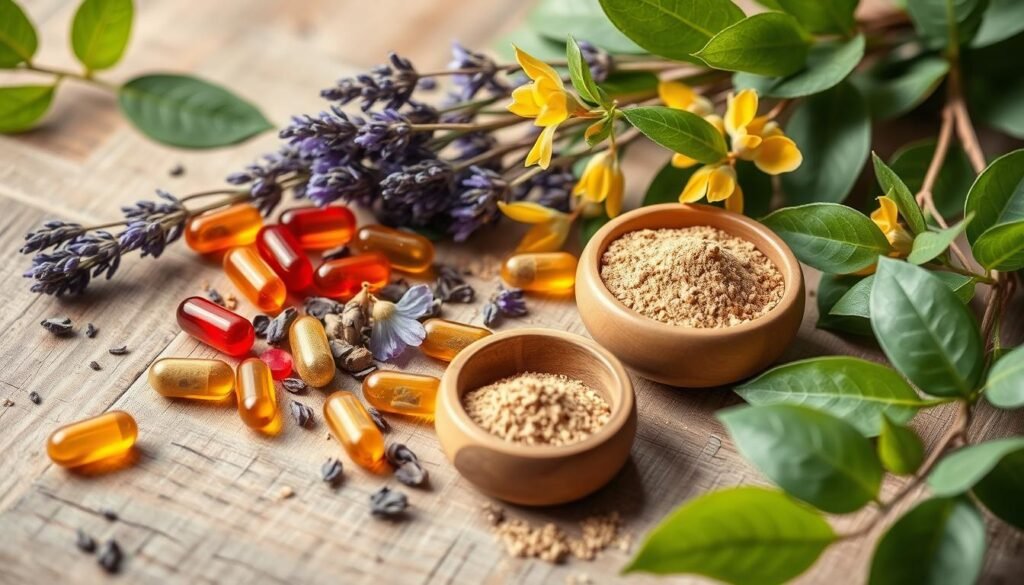
Herbal Remedies for Depression
Looking into herbal remedies for depression gives people new ways to handle their symptoms. St. John’s Wort is a top herbal option for depression, known for its use through history. It may help with serotonin levels in the brain.
St. John’s Wort: What You Need to Know
St. John’s Wort is recognized for its ability to fight depression. It is not officially approved in the U.S. for depression treatment, but many find it useful for mild to moderate issues. Studies in 2016 found it could work better than placebo and as well as regular antidepressants.
However, it might affect other medications like blood thinners and birth control. It’s key to talk with a healthcare provider before starting St. John’s Wort. This will help avoid any issues.
Other Herbal Options That Help
There are more herbs besides St. John’s Wort that may assist with depression:
- 5-HTP: It could influence serotonin and mood. But, it might not be safe with some antidepressants due to serotonin syndrome risk.
- SAMe: It shows promise for depression treatment, but more study is required. High doses might cause nausea.
- Omega-3 Fatty Acids: Research is looking into their effect on depression, but they might affect other meds.
- Saffron Extract: Early results are promising for treating depression. Yet, more research is needed for confirmation.
- DHEA: Early studies show it might ease depression symptoms. However, it could have serious side effects and needs more study.
Nutritional and dietary supplements aren’t checked as strictly as standard medications. Always consult a doctor before trying herbal remedies. They can make sure these supplements fit safely into your treatment plan.
| Herbal Option | Effectiveness | Potential Interactions |
|---|---|---|
| St. John’s Wort | Effective for mild to moderate depression | Blood thinners, birth control, chemotherapy drugs |
| 5-HTP | May help regulate serotonin | Certain antidepressants |
| SAMe | Needs more research | None known |
| Omega-3 Fatty Acids | Being studied | Possible medication interactions |
| Saffron Extract | Initial positive findings | Not extensively studied |
| DHEA | Preliminary improvement | Serious side effects possible |
Exercise and Depression
There’s a strong link between regular exercise and mental well-being. Several studies show how exercise can improve a mood. Exercise increases the release of endorphins, creating feelings of happiness. The U.S. Department of Health and Human Services suggests 150 minutes of moderate aerobic activity weekly for adults. This shows the role of physical activity in maintaining mental health.
How Physical Activity Affects Mood
Being active has many benefits for the mind. It can boost your mood, lower anxiety, and build self-esteem by reaching exercise goals. Even simple activities like walking have a positive effect on your mood. The positive impact of exercise on mental health is well known. It links an active lifestyle to better mental well-being.
Types of Exercise to Consider
There are many effective ways to exercise for mental health. Here are a few suggestions:
- Aerobic Activities: Jogging, swimming, and cycling can increase endorphins.
- Yoga: It merges movement and mindfulness, easing stress and encouraging calmness.
- Resistance Training: Lifting weights can also significantly lower symptoms of depression.
- Walking or Running: These activities are simple but can be as helpful as therapy.
Mindfulness Meditation for Mental Health
Mindfulness meditation has become a key way to fight depression symptoms. It can greatly improve mental health by lowering stress and anxiety. Studies show that mindfulness like MBSR and MBCT can be very beneficial. They help people who have depression that comes back often. Through mindfulness, you learn to notice your thoughts and feelings without judgement.
This way of paying attention helps you not to act impulsively. It teaches you to simply observe what happens in your mind.
Benefits of Mindfulness in Managing Symptoms
Mindfulness meditation, among various techniques, really stands out. It helps control emotions and can prevent depression from returning. Over 200 studies prove that it works, improving mental and physical health. It also strengthens your immune system and helps you recover from illness faster. Regular practice builds resilience to stress. This keeps your emotions stable and boosts well-being.
Simple Meditation Techniques to Start With
If you’re new to mindfulness, starting simple is a good idea. Here are some easy techniques:
- Focused Breathing: Pay attention to each breath, letting thoughts pass without judgment.
- Body Scan: Notice how each part of your body feels, from head to toe, without trying to change it.
- Walking Meditation: Walk slowly, paying close attention to how each step feels.
These meditation techniques work in many places. They reduce stress and help you stabilize your emotions. Start with short sessions to build up comfort. This leads to better mental health in the long run. Staying consistent with mindfulness helps maintain emotional health.

Lifestyle Modifications to Combat Depression
Making changes to your lifestyle is key to fighting depression. Being active through exercise can greatly boost your mood. It’s important to make physical activity part of your day.
Getting enough sleep is critical too. Adults should aim for 7 to 9 hours of sleep nightly. Teens need 8 to 10 hours to feel their best. Not sleeping enough can make depression worse, so it’s vital to keep a regular sleep schedule.
Eating well is also essential. A diet with plenty of fruits, veggies, whole grains, and lean proteins supports your energy and mood. Less alcohol and caffeine can help too, as they might increase depression symptoms.
Having friends and family around can protect you from feeling down. Staying in touch and sharing time with loved ones is very important. Taking part in fun activities and setting small, daily goals can help you feel a sense of achievement, which fights off depression.
Mindfulness practices like meditation or yoga can reduce stress. These methods, along with trying out other relaxation techniques or acupuncture, can improve your mental health. Always talk to a healthcare provider before starting new treatments.
Want more tips? Check out lifestyle modifications for depression. Understanding these strategies can really help on your journey to better mental health.
Using Natural Supplements for Mood Improvement
Natural supplements for mood improvement are growing in popularity. They’re seen as alternatives to traditional antidepressants. These supplements may not only lessen symptoms but can also boost mental health overall. It’s key to explore options and seek professional advice.
Popular Supplements Explored
Several natural supplements have shown promise for boosting mood. Some of the most notable include:
- Acetyl-L-Carnitine: Research suggests it could provide quick depression relief, especially seen in studies with animals.
- Low-dose Lithium: In doses between 20 to 110mg, lithium can help prevent future depressive episodes. Even low levels, like 0.4mg, can improve mood within weeks.
- Rhodiola: This is becoming well-known for its potential to help with mild to moderate depression.
- Chromium: It might help people with atypical depression by reducing mood swings and cravings.
- Methylfolate: It’s as effective as some antidepressant drugs for those with certain genetic mutations.
- St. John’s Wort: It’s often chosen for various mood disorders, including anxiety and sleep problems.
- SAMe (S-Adenosyl-L-Methionine): This has shown significant improvement in symptoms in many studies, more than a placebo.
Consulting with Healthcare Professionals
It’s vital to consult a healthcare provider before starting any supplement regimen for mood improvement. While many supplements offer great benefits, they could interact with other medicines. They might also not be suitable for everyone’s health conditions. Getting personalized advice will ensure safety and the greatest benefit from these natural methods. It helps patients find the best mix for their specific needs.
Alternative Therapies for Depression Management
Exploring other ways to fight depression helps us understand how to treat it better. These methods add to traditional treatments. They focus on improving both mental and physical health. Adding things like yoga, acupuncture, and guided imagery can make recovery more complete. This approach boosts emotional wellness.
The Role of Therapy in Complementary Approaches
Many therapies now offer new hope as alternative treatments for depression. For example, St. John’s wort is quite effective for mild to moderate depression. It works as well as many standard antidepressants. Music therapy can lessen fear and anxiety for all ages. Practices that engage both mind and body help create peace and relief.
Integrating Traditional and Alternative Treatments
Mixing traditional and new treatments can lead to better overall care. Studies back up combining these methods. Yoga, for instance, might help, but we need more proof. Exercise is proven to help reduce depression symptoms, as indicated by certain research scales. Also, taking folate can improve results for people lacking it. Here are some alternative therapies and their effects:
| Therapy | Effectiveness | Key Findings |
|---|---|---|
| St. John’s Wort | Effective | More effective than placebo; comparable to antidepressant drugs. |
| Yoga | Inconclusive | Potential benefits, but research is unclear. |
| Mind/body Exercises | Supportive | Enhances feelings of calmness. |
| Music Therapy | Beneficial | Eases anxiety, stress, and grief across ages. |
| Exercise Therapy | Effective | Linked to significant reduction in depressive symptoms. |
| Folate Supplementation | Beneficial for Deficiency | Small reduction in symptoms for those deficient. |
| Acupuncture | Limited Evidence | No significant reduction in Ham-D scores in studies. |
The Importance of Social Connections
Social connections are key to mental health. Strong relationships improve our mood and fight depression. Being with people helps us resist sad feelings, boosting joy and mental health.
How Positive Relationships Influence Mood
Studies show that people with close friends are likely to live longer. Having good social ties lessens loneliness and anxiety. This is crucial for mental health care. Those who feel supported experience less depression. Friends and family help fight this condition.
Loneliness can hurt our health. It raises the risk of heart problems and weakens the immune system. Stress goes up too. But, hanging out with friends can lower blood pressure and reduce swelling. This strengthens our immune system for quicker recovery from sickness.
Good friendships also make our brains work better. They help memory and quick thinking. This guards against age-related mental decline. Social activities are good for our brains and feelings.
Depressed people may react strongly to social interactions. Yet, building connections helps them feel better. It’s hard to make close friends when feeling low, but it’s important. Getting married, for example, can really help those feeling depressed. It brings more benefits to them than others less sad.
To learn more about depression, look at this detailed mental health overview. In short, strong social ties are crucial for happiness and fighting depression.

Pet Therapy: A Natural Antidepressant
Pet therapy is a powerful way to fight depression. Having a pet, like a dog, brings many pet therapy benefits. These benefits boost mental health. Pets increase the production of happy hormones such as oxytocin and dopamine. This leads to a better mood. Studies have found that bonding with your own dog has more benefits than with a dog you don’t know well. This shows the value of a deep friendship with pets.
Birds, like canaries, are also great for emotional health. They are especially good for older people, helping to lower depression. Pets also encourage us to be more active. For instance, walking a dog or playing with pets gets us moving. This activity is key for staying healthy and happy.
Pets are important in treating depression but they don’t replace medication. Traditional depression treatments are necessary for severe cases. However, emotional support animals can add to these treatments. They offer friendship and comfort. Getting diagnosed with depression early and starting to spend time with pets can improve outcomes.
| Animal Type | Benefits | Research Insights |
|---|---|---|
| Dogs | Increase in oxytocin, improve mood | Strongest effect from personal dog interactions |
| Canaries | Interactive behavior, enhances quality of life | Significant positive effects on elderly depression |
| Other Pets | Companionship, reduced loneliness | Fostering physical activity, encourages movement |
Understanding pet therapy’s role in fighting depression is key. Having pets provides a sense of belonging and lessens feelings of being alone. Regularly spending time with pets brings many mental health advantages. To know more about how pets impact mental health, check out WebMD.
Listening to Music for Emotional Relief
Music is a powerful tool for people fighting depression. It uses music therapy to bring emotional comfort. This approach boosts mood and lets people express themselves through sound. As they listen, stress fades, and a peaceful feeling often appears.
How Music Therapy Can Help Alleviate Symptoms
Studies show music’s deep impact. Beats near 60 beats per minute can make our brains relaxed. Researchers at Stanford University found music’s calming effects can match medication for stress relief. Music therapy helps those feeling tired or sad add something positive to their care.
Native American drumming and Celtic tunes can calm the mind. Sounds like rain or thunder also help with relaxation. To get the most out of this, lie down and listen to soothing tunes for 45 minutes. This can help you sleep better by reaching a deep relaxation state.
Music therapy increases dopamine and serotonin, which boost mood. It also reduces cortisol, making it easier to relax and let go of stress. People in music therapy see a big drop in depression signs compared to standard treatment only.
Different kinds of music, like classical or jazz, can soothe us. Making music also helps heal emotionally. Those looking for a full way to find peace with music will see these methods as helpful. For more details, check out this study on music therapy and depression.
Conclusion
This article shows that many natural remedies can help with depression symptoms. We’ve looked at how important it is to use different methods for mental health. These include changing what you eat, exercising, practicing mindfulness, and connecting with others.
Each remedy offers benefits that can make you feel better overall. But remember, these strategies do not replace professional medical advice. It’s crucial for people, especially those with severe depression, to get advice from healthcare experts. Adding these natural methods can be a big part of managing depression well.
In closing, if you’re dealing with depression, a mix of natural remedies can offer relief. It’s about valuing mental health and trying out these options. Taking steps in this direction can seriously help improve how you feel.