In 2014, heart disease led to over 600,000 deaths in the US, as reported by the CDC. ST segment depression is a warning sign of serious heart issues, which can result in severe health problems or even death. It’s important to understand how to manage ST depression for better heart health.
This guide covers the complexities of ST segment depression, including causes and the need for quick diagnosis via EKG. Managing this condition requires lifestyle changes and medical care to maintain heart health. To learn more about ST depression, check out this detailed source.
Key Takeaways
- ST segment depression can indicate serious underlying heart conditions.
- Early detection through EKG play a pivotal role in heart health management.
- Managing ST depression includes both medical treatments and lifestyle changes.
- Patients with Acute Coronary Syndrome face a heightened risk of depression.
- Support systems are crucial for those experiencing depression post-cardiac events.
Understanding ST Depression
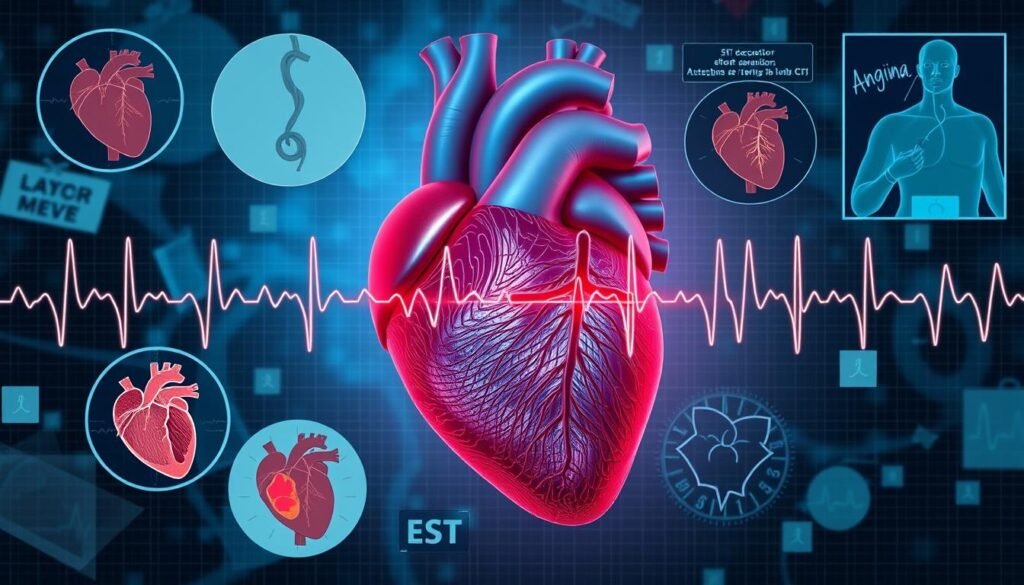
ST segment depression shows up on an electrocardiogram (EKG) and points to heart issues. Normally, the ST segment stays level during EKG analysis. Any change from this could mean a health problem, underscoring the importance of assessing heart health accurately.
Doctors see ST segment depression as a key marker for conditions like myocardial ischemia and low potassium blood levels, or hypokalemia. Hypokalemia can cause muscle weakness, among other symptoms. Keeping an eye on ST depression through EKGs is critical for guiding patient care.
Myocardial ischemia causes ST depression by disrupting the balance of oxygen to the heart. This could lead to a heart attack if it goes unchecked. Knowing about this helps in developing full heart care plans, covering both prevention and treatment.
There’s also left bundle branch block to consider, which impacts how well the heart pumps. This condition calls for ongoing medical reviews and possibly treatments. By understanding ST depression, people and health professionals can spot and address serious heart issues early.
For those looking to learn more about ST segment depression and heart health, check out this resource.
Causes of ST Segment Depression
Understanding what causes ST depression is vital for heart health. Many issues can cause these changes on EKGs. Key factors include:
- Hypokalemia: Low potassium in the blood can mess with heart operations. This might lead to ST segment depression.
- Left Bundle Branch Block: This issue messes with how the heart’s electric signals work. It can cause changes in the EKG, like ST depression.
- Myocardial Ischemia: Less blood flow to the heart muscle can cause ST depression. This shows potential risks of heart diseases.
Ischemic ST depressions often look horizontal or downsloping. If new depressions are horizontal or downsloping and are over 0.5 mm, they suggest ischemia. This shows why doctors must carefully check EKGs for ST depression.
Importance of EKG in Diagnosing ST Depression
Electrocardiograms, or EKGs, are key in diagnosing ST depression. They show the heart’s electrical activity. This lets doctors see important changes in the heart, like ST depression. By using EKGs, clinicians can find issues that need more checks.
Interpreting the EKG Readout
Reading an EKG means looking closely at the ST segment. Doctors compare it to normal levels to spot any ST depression. This helps them see problems with the heart. Quick actions can then be taken to help the patient.
Identifying Underlying Heart Conditions
EKGs help find heart problems. They are used to spot diseases like myocardial ischemia, arrhythmias, and heart attacks linked to ST depression. EKGs give a clear picture that helps doctors make the right treatment plans. This is important for the best heart care.
Potential Health Conditions Related to ST Depression
Understanding health conditions related to ST depression is key for heart care. There are issues that impact patient care and treatment paths. We focus on three major conditions: hypokalemia, left bundle branch block, and myocardial ischemia.
Hypokalemia
Hypokalemia means not enough potassium, which affects the heart. It can cause changes in heart rhythm, like ST depression. Doctors watch potassium levels in patients to avoid serious health problems.
Left Bundle Branch Block
Left bundle branch block disrupts the heart’s electrical signals. It can lead to ST changes seen on an EKG and affect heart function. Doctors need to check patients with this condition to manage risks linked with ST depression.
Myocardial Ischemia
Myocardial ischemia reduces blood to the heart. It’s key in ST depression, showing critical health problems that need quick myocardial ischemia treatment. Watching ST changes helps doctors act fast to help patients. For more information, see this study.
| Condition | Impact on Heart | Monitoring |
|---|---|---|
| Hypokalemia | Alters heart rhythm, leading to ST depression | Regular potassium level checks are critical |
| Left Bundle Branch Block | Disrupts electrical conduction | EKG is essential for assessment |
| Myocardial Ischemia | Decreased blood flow causing potential damage | Timely intervention based on ST segment analysis |
ST Depression Treatment
To fight ST depression, a mix of medical care and lifestyle changes is essential. Getting this mix right improves heart health greatly. It also boosts overall happiness for those dealing with this issue.
Medical Treatment Options
Medical options for treating ST depression vary. They can include:
- Medications such as beta-blockers that help manage heart rate and reduce strain on the heart.
- Potassium supplements for instances of hypokalemia, which can aid in stabilizing heart function.
- Targeted therapies addressing any underlying coronary conditions contributing to ST depression.
Lifestyle Changes for Management
Making life changes is key in treating ST depression. These steps can boost heart health:
- Engaging in regular physical activity that strengthens the cardiovascular system.
- Adopting a balanced diet rich in potassium and other heart-friendly nutrients.
- Incorporating stress management techniques like meditation or yoga into daily routines.
- Quitting smoking to reduce risks associated with heart disease.
Psychological Impact and Treatment Options
Heart disease goes beyond physical symptoms, causing emotional challenges too. Patients with ST segment depression often face anxiety and major depression. This can lower their quality of life.
It’s key to recognize that mental health issues can come with heart disease, diabetes, and chronic pain. This shows the importance of treating both the body and mind. A good treatment plan addresses both to improve health.
Starting with psychotherapy, like cognitive behavioral therapy (CBT) and interpersonal therapy (IPT), helps. These therapies are good for mild to moderate depression. Some may also need antidepressants, like SSRIs and SNRIs. Half of those with serious depression might start with these medications.
If therapy or medication doesn’t work, brain stimulation therapy might help. Plus, mindfulness practices can help manage stress and improve emotional health.
We must not overlook the psychological effects of heart disease. With a strong support system and thorough mental health care, patients can face their challenges. They can work towards regaining normalcy in their lives.

Antidepressant Medications for Heart Patients
Mental health and heart care are closely linked, especially when it comes to depression in heart patients. About half of those with coronary artery disease (CAD) show signs of depression. This makes the use of antidepressants important for these patients. Selective serotonin reuptake inhibitors (SSRIs) are mostly recommended. They are safer than the older antidepressants.
Studies show that SSRI therapy can greatly reduce the risk of another heart attack in patients with acute coronary syndrome (ACS). Even with worries about possible heart-related side effects, SSRIs are still considered safer. The key is to find a balance between treating depression and keeping the heart healthy.
Patients should work closely with their doctors to pick the right antidepressants. There’s a growing use of these meds, showing they’re key in treating mental health in heart patients. It’s vital to know the benefits and risks of antidepressants for effective depression care in these patients.
Cognitive Behavioral Therapy and Its Effectiveness
Cognitive behavioral therapy (CBT) is a key method for battling depression, notably in those with heart problems. Studies show that CBT can significantly lessen depressive symptoms. It does this by changing negative thoughts and actions, teaching people how to better handle their emotions and build resilience.
The success of cognitive behavioral therapy is well acknowledged. Research proves that CBT can majorly enhance life quality and functioning. A study found that psychotherapy helps cardiac patients more than just medicine does. It shows the value of adding CBT to care plans for people dealing with both heart issues and depression.

CBT is unique because it focuses on learning useful skills. Through exercises and homework, patients learn to see and fix thought mistakes and find better ways to cope. This method helps people become more independent in taking care of their mental health. Therapists also concentrate on current problems, not past ones, to help patients find good coping methods.
Combining CBT with drug treatments leads to even better results. A meta-analysis showed that patients getting both treatments fared better and stuck with their treatment longer than those getting just one. This suggests we should consider treatment plans that include both psychology and medicine.
CBT offers hope to those with heart conditions and mental health concerns. More research will surely highlight CBT’s effectiveness and its contribution to improving health outcomes in these patients. For more information, check this link.
Natural Remedies for Depression in Cardiac Patients
Natural remedies can offer big help for heart patients with depression. Adding certain foods and workouts can make a difference. They help improve mood and overall health.
Dietary Considerations
Eating right is key in fighting depression. Adding omega-3 from fish and plenty of fruits can boost mental health. Foods rich in potassium also help your heart work better.
- Omega-3 fatty acids: Linked to mood improvement, found in fish like salmon and trout.
- Fruits and vegetables: Provide essential vitamins and minerals that contribute to overall health.
- Whole grains: Sources of fiber that help maintain energy levels and well-being.
- Limit processed foods: Reduce potential negative impacts on both mood and heart health.
Physical Activity and Exercise
Exercise is great for your heart and mood. Getting active lowers stress and makes you healthier. Try walking, swimming, or yoga to feel better and think more clearly.
- Brisk Walking: Simple yet effective way to boost mood and improve heart health.
- Yoga: Combines physical movement with relaxation techniques, aiding in stress reduction.
- Group Classes: Encouraging social interaction while providing physical benefits can uplift spirits.
- Mind-Body Exercises: Practices that help in calming the mind can effectively reduce feelings of anxiety.
Supporting Mental Health: Support Groups
Support groups for depression are key for those dealing with mental health issues, including heart problems. These groups offer a safe space for people to share their stories and struggles. This sharing reduces feelings of loneliness, creating a community of understanding and support.
Many organizations, about 70%, offer support groups for mental health consumers and their families. Most of these groups are led by peers rather than professionals, showing the value of shared experiences. It turns out, 80% of those participating find peer support helpful in their healing journey.
Support isn’t just in person anymore. Online groups have grown, making it easier for heart patients to find help. There are tons of resources for dealing with depression, anxiety, and trauma. More than 1,000 local Mental Health America affiliates are there to help find the right support.
| Type of Support Group | Percentage | Available Resources |
|---|---|---|
| Peer-led Support Groups | Approx. 60% | 1,000+ |
| Online Support Groups | 40% | 24/7 Hotlines |
| NAMI Support Groups | Weekly/Biweekly/Monthly | Variable |
Studies show peer support really works in fighting depression. Peer-led programs like those from NAMI make a big difference in people’s lives. NAMI offers groups that meet at various times, making it easier for everyone to join.
NAMI’s Together We Care. Together We Share. campaign is helping more. It aims to get more leaders in areas where they’re needed the most. The NAMI HelpLine, open Monday to Friday, gives extra support to those on their recovery journey.
Thanks to many peer-run organizations around the country, support groups for depression are growing. This ensures that anyone affected can find the community support they need for their mental health and happiness.
Monitoring and Follow-Up Care
For heart patients, getting good follow-up care is key to their recovery and ongoing health. It’s important to regularly check for ST depression to see how treatments are working. And, to adjust them if needed. They should see their doctors often to keep an eye on their heart health.
Talking openly with your healthcare team is crucial. This lets patients share any new issues quickly, leading to better health results. It’s also key to get support for mental health. Because dealing with emotional and psychological issues helps with recovery.
Key parts of effective follow-up care include:
- Regular check-ups and heart function tests.
- Reviewing medications to make sure they’re working well.
- Checking for signs of depression as part of routine heart care.
- Talking about ways to improve lifestyle and mental health.
Following a thorough care plan helps not just with physical healing, but also with emotional strength. This approach ensures heart patients get comprehensive care. It focuses on both their heart and their overall mental health.
| Aspect of Care | Importance |
|---|---|
| Regular Check-Ups | Helps track progress and adapt treatment plans |
| Medication Review | Ensures optimal efficacy and addresses any concerns |
| Depression Screening | Identifies potential mental health issues early |
| Patient Communication | Encourages proactive health management |
Preventing Depression After Cardiac Events
It’s vital to focus on mental health in heart patients to boost recovery. Using strategies to stop depression helps patients move forward positively after heart events.
Importance of Early Detection
Detecting depression early is key in helping patients who had heart problems. Doctors should screen for depression right after these events. About 15-20% of heart disease patients get major depression, and 20-30% have minor depression symptoms.
Finding these signs early means timely help, which lowers the risks linked with depression.
Utilizing Depression Counseling
Counseling helps heart patients deal with their emotional struggles during recovery. It offers support and helps build strength and ways to cope. Research shows that counseling leads to better mental health and helps with recovery.
Conclusion
The study of ST depression treatment shows how important heart health and mental well-being are connected. Patients can have meaningful talks with their healthcare providers about treatment options. This helps them manage ST depression better. The ST depression treatment summary underlines the need for a dual approach. This approach takes care of both physical and mental health for the best care.
The effect of ST depression on mental health is also key. It’s vital to include mental health care with cardiac care. This not only helps with emotional stability but also leads to better heart health outcomes. Creating treatments that cover both mental and heart health can help in healing and getting better.
In the end, seeing the connection between mental health and cardiac care is crucial. It makes sure patients get all-around support. By dealing with both sides, individuals can aim for better health and well-being. This stresses the need for quick action and ongoing care in treating ST depression.