Did you know that TMS therapy helps about one third to one half of those with Major Depressive Disorder? This FDA-approved treatment is a light in the dark for many. It’s a chance for relief when usual antidepressants don’t work. TMS uses magnetic fields to target nerve cells in the brain. This approach is different from traditional methods. Studies show TMS is not just hopeful for depression. It also helps with OCD and migraines when nothing else works. Explore more about TMS therapy and its positive effects.
Key Takeaways
- TMS is FDA-approved for treating Major Depressive Disorder when standard treatments have failed.
- About one-third to one-half of patients experience symptom relief following TMS therapy.
- TMS operates by delivering repeated magnetic pulses to stimulate brain nerve cells.
- Common side effects are generally mild and include scalp discomfort and headaches.
- Most insurance policies cover TMS, pending criteria for medical necessity are met.
- Patients may begin to notice mood improvements within just 1 to 2 weeks of treatment.
Understanding Transcranial Magnetic Stimulation (TMS)
Transcranial Magnetic Stimulation, often called TMS, is a modern method in Non-Invasive Brain Stimulation. It uniquely targets specific brain areas that control mood. It brings new hope to those battling Major Depressive Disorder.
In a TMS session, a special coil is placed on the head. It sends magnetic pulses into the brain. These pulses stimulate nerve cells, possibly improving mood and reducing depression symptoms. Knowing what is TMS means understanding its FDA approval and safety for those who haven’t succeeded with other treatments.
The usual TMS treatment plan includes about 30 sessions. These sessions happen on weekdays for six weeks. Some new methods might shorten it to only one week. The time for each session can vary based on what the person needs.
About 50% to 55% of people with major depression see improvement with TMS. Remission rates are around 30% to 35%. These numbers show how effective and beneficial Non-Invasive Brain Stimulation can be. With 300 million people worldwide dealing with depression, it’s crucial to look at different treatment options.
| Feature | Details |
|---|---|
| Typical Course Length | 30 sessions over 6 weeks |
| New Protocols | Condensed treatment can last 1 week |
| Session Duration | 5 to 30 minutes |
| Response Rate | 50% – 55% for major depression |
| Remission Rate | 30% – 35% for major depression |
| Common Side Effects | Mild headaches, tingling, lacrimation |
How TMS Works for Depression
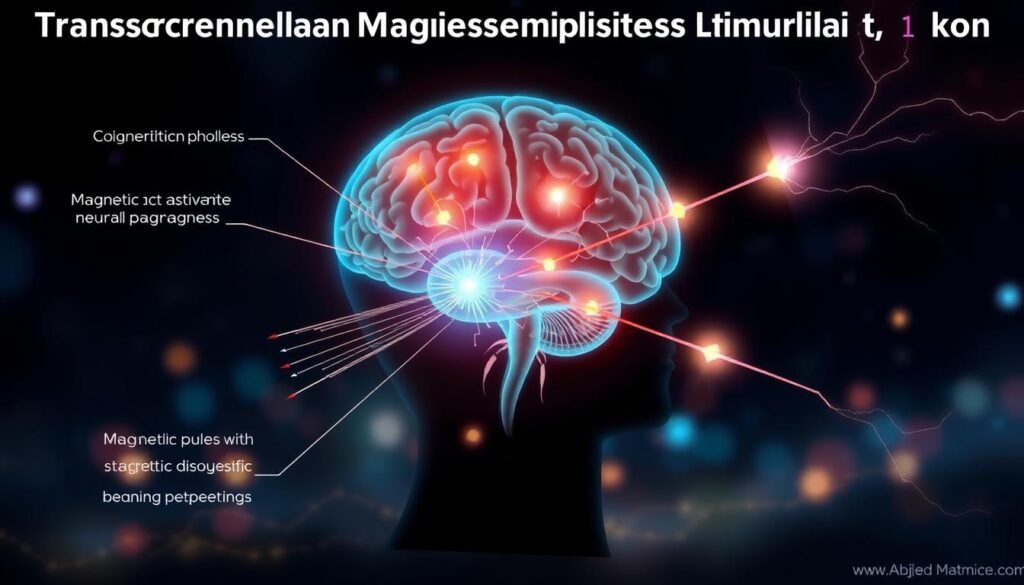
Transcranial Magnetic Stimulation (TMS) offers a new way to treat tough depression. It uses magnets to create tiny electric currents in the brain. These currents help fix mood-related brain areas. TMS aims to ease depression’s tough symptoms.
Studies show TMS can greatly reduce symptoms for many people. It has long-lasting benefits. Over 800 veterans found relief with TMS at VA clinics. This shows its wide-reaching impact.
TMS treatments last between 3 to 40 minutes, needing about 30 sessions for best results. The success rate is impressive, between 70% and 80%. About half the patients fully recover after their sessions. This makes TMS a great option for those who haven’t had luck with meds.
Some might feel discomfort, like headaches or scalp pain, but this usually gets better. The risk of a seizure is very low. This means most people can try TMS without worrying too much.
People who keep trying tend to see results faster with TMS. If you’re already on antidepressants, TMS could work better for you. If your depression hasn’t improved with other treatments, TMS might be the hope you’re looking for. Find out more about dealing with hard-to-treat depression.
Effectiveness of TMS in Treating Depression
TMS has shown great results in treating depression, supported by solid clinical evidence. It is a good choice for people who haven’t found help through traditional therapy. Since standard treatments often fall short, this non-invasive method is becoming a popular alternative.
Comparison with Traditional Methods
Depression treatment usually involves medication and psychotherapy. However, these don’t always work for everyone. In fact, a significant number of people do not get better with these conventional methods.
TMS, however, has been quite effective. A study from UCLA Health found that 54% of its patients saw mood improvement. This was measured using several depression scales.
Clinical Studies Supporting TMS
Many studies confirm TMS’s effectiveness. Since the FDA approved it in 2008 for tough cases of depression, its success has been notable. Recent research shows about 47% of patients respond to TMS, versus 22% with a placebo.
This evidence makes a strong case for TMS. It’s especially true for those who haven’t been helped by other treatments.
Recovery Rates and Patient Testimonials
The success rates of TMS therapy are impressive. About two-thirds of patients experience significant improvement or full recovery. Their stories are inspiring, with many sharing the positive changes in their lives after treatment.
An exciting study at Stanford found an accelerated TMS method that quickly helped nearly 80% of subjects. For more information on this breakthrough, check out Stanford University’s study.
Advantages of TMS Therapy
Transcranial Magnetic Stimulation (TMS) has many benefits as a Safe Depression Treatment. It’s a top choice for those looking for other options. It is non-invasive, has few side effects, and targets the problem area well. This makes it very effective.
Non-Invasive Nature
TMS therapy is a standout since it doesn’t involve surgery. It avoids the risks related to operations like deep brain stimulation. Thanks to its non-invasive approach, it offers a safer way to tackle depression.
Minimal Side Effects
The side effects of TMS are minimal and often only temporary. Patients might feel headaches or scalp sensitivity after treatment. But these issues go away quickly. People can get back to their normal activities without major disruptions.
Targeted Treatment for Depression
TMS therapy focuses on specific brain areas tied to mood. This targeted method is especially good for those with Major Depressive Disorder. It avoids some of the drawbacks of usual antidepressants. TMS helps improve mood, energy, and sleep patterns. For more details on TMS, check out this resource.

Who is a Candidate for TMS Treatment?
Transcranial Magnetic Stimulation (TMS) therapy is a beacon of hope for people with Treatment-Resistant Depression. It’s mainly for adults over 18 who haven’t found relief through usual depression treatments. A thorough health check is done first to make sure TMS is a safe option.
Some health issues might stop a person from getting TMS. Specifically, if you’ve had seizures, got non-removable metal in or near your head, or major brain injuries, TMS might not be right for you. Problems like dementia, brain tumors, or cerebrovascular diseases also limit TMS use. This careful check ensures everyone’s safety during TMS therapy.
TMS isn’t advised for people under 18, but studies are looking into it for this age group. It’s important for possible candidates to understand both risks and benefits. This way, they can make a well-informed choice about their treatment path.
To know who can really benefit from TMS, we need to consider what insurance covers. They look at criteria like:
| Criteria | Description |
|---|---|
| Duration of Depressive Episode | Need proof of how long the depression lasted for TMS consideration. |
| Failed Antidepressant Trials | Must show that antidepressants didn’t work. |
| Evidence-Based Psychotherapy Trials | Must have tried and not benefited from approved psychotherapy. |
| Previous TMS or ECT Treatment Information | Information on any earlier electroconvulsive therapy or TMS should be shared. |
Choosing the right patients for TMS is key. It makes sure the treatment is suitable and can really help. By selecting those most likely to benefit, there is a strong commitment to improving mental health care.
What to Expect During a TMS Session
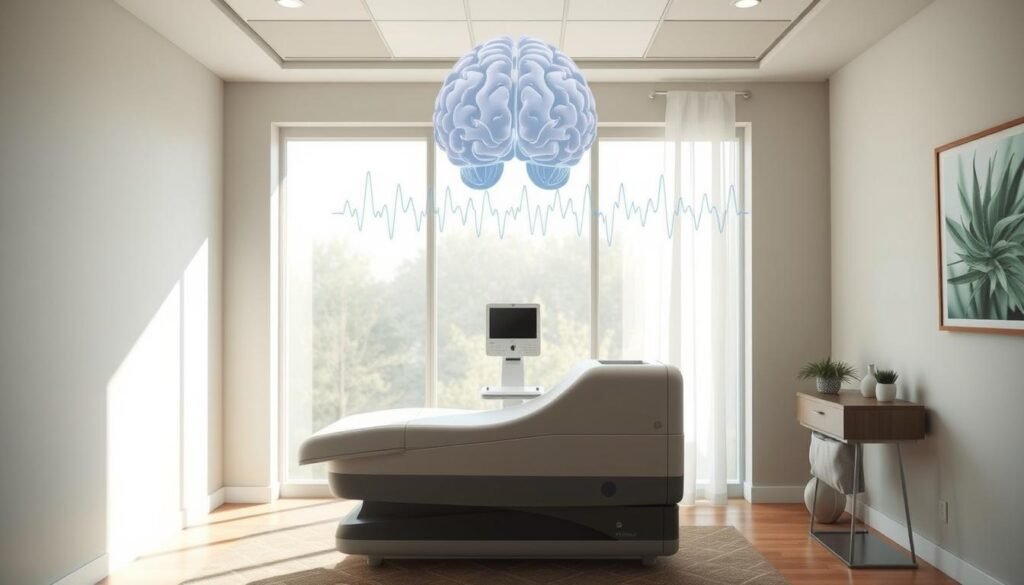
Patients going into TMS therapy will find a caring and planned setting. They will sit in a comfortable, reclined chair. An electromagnetic coil is then carefully placed. It sends magnetic pulses to brain areas that help control mood. The first step is very important. It helps to find the best spot for the coil to make sure the treatment works well.
The Treatment Process
The duration of TMS treatments varies. Each session can last from 20 to 50 minutes. The first session might take a bit longer as it includes an assessment. Since TMS is an outpatient treatment, patients can usually go back to their normal activities right away. This causes little to no interruption in their daily life.
Duration and Frequency of Sessions
TMS therapy usually goes on for 4 to 6 weeks. How often sessions happen depends on what the patient needs and what the doctor suggests. At first, patients might have sessions five days a week. Then, as they start to feel better, the sessions are cut down to two or three times a week.
TMS has shown to be a strong and hopeful way to fight depression, especially when other treatments haven’t worked. To learn more about how long TMS effects last, check out this resource.
Risks and Considerations of TMS
Transcranial Magnetic Stimulation (TMS) offers hope for those with treatment-resistant depression. It’s vital to understand the TMS Safety Profile before proceeding. Although TMS is generally safe, knowing about the side effects is key.
Common Side Effects
Side Effects of TMS often include minor discomfort like:
- Mild pain or discomfort at the stimulation site
- Headaches
- Slight facial twitching
These effects usually pass quickly after treatment. Most patients find these symptoms manageable. They shouldn’t stop someone from trying TMS therapy.
Uncommon but Serious Risks
Rarely, TMS can lead to serious risks. Important TMS Treatment Risks to know about are:
- Seizures, the most critical risk
- Hearing loss from loud noises during treatment
To lower these risks, discuss any epilepsy or mental health issues before starting. Knowing these risks helps make a well-informed choice about treatment. For deeper understanding, check this research article.
Conclusion
Transcranial Magnetic Stimulation (TMS) is a strong option for treating Major Depressive Disorder. It helps people who haven’t found relief with other therapies. Studies show TMS has good recovery rates and effectiveness. This can lead to long-lasting mental health improvements.
TMS is non-invasive and usually has few side effects. It’s becoming a main therapy for mental health. When used with psychotherapy, up to 55% of patients see improvement. TMS is an effective choice for those looking for depression relief.
The future of mental health treatment is changing, bringing hope to many. Ongoing research and global teamwork keep TMS as a leading depression therapy. It opens new doors for individuals facing mental health issues.