Did you know emergency department visits for tramadol abuse or misuse jumped by about 250 percent from 2005 to 2011? This increase concerns those debating tramadol’s use for depression. It points out the possible good and bad outcomes of the drug. Even though tramadol is mainly seen as a weak opioid painkiller, its use in treating depression is getting more attention. Since around 14.6 percent of individuals in wealthier nations have had a major depressive episode, knowing tramadol’s antidepressant potential is crucial.
This article will look into tramadol’s characteristics, its impact on mood disorders, and how it is seen as a treatment option now. We will discuss how tramadol might help with mental health, but also the risks of using it. This helps readers understand the role of tramadol in treating depression in today’s healthcare.
Key Takeaways
- Tramadol misuse has led to a substantial increase in emergency department visits.
- It is classified as a low potency opioid but can still be addictive.
- A notable percentage of the population has experienced major depressive episodes.
- Tramadol exhibits dual action by being a mu-receptor agonist and inhibiting serotonin reuptake.
- Understanding tramadol’s role requires careful consideration of both benefits and risks.
- There are currently no extensive randomized controlled trials comparing tramadol to traditional antidepressants.
Introduction to Tramadol
Tramadol is mainly a pain relief prescription medication. It is highly effective for moderate to severe pain. This painkiller changes how the brain feels pain, which is why it’s widely used in healthcare. The tramadol introduction into treatments has interested many because of its benefits beyond pain control.
Aside from dealing with physical pain, tramadol is now being looked at for other uses. People looking for depression treatments are considering it as an alternative to standard antidepressants. This move is leading to a deeper look into how tramadol works, especially its positive effects on mood.
Doctors and patients are evaluating tramadol’s impact on mood disorders more. It’s vital to understand both its good and bad sides. There’s evidence that tramadol can quickly help with anxiety and depression symptoms. This means it could play a crucial role in mental health care.
What is Tramadol and How Does it Work?
Tramadol is a pain relief medicine known as an opioid. It works by attaching to opioid receptors in your brain and spinal cord. By doing this, it changes how your body feels and responds to pain. Tramadol also increases serotonin and norepinephrine, which can make you feel happier. This dual action makes tramadol unique.
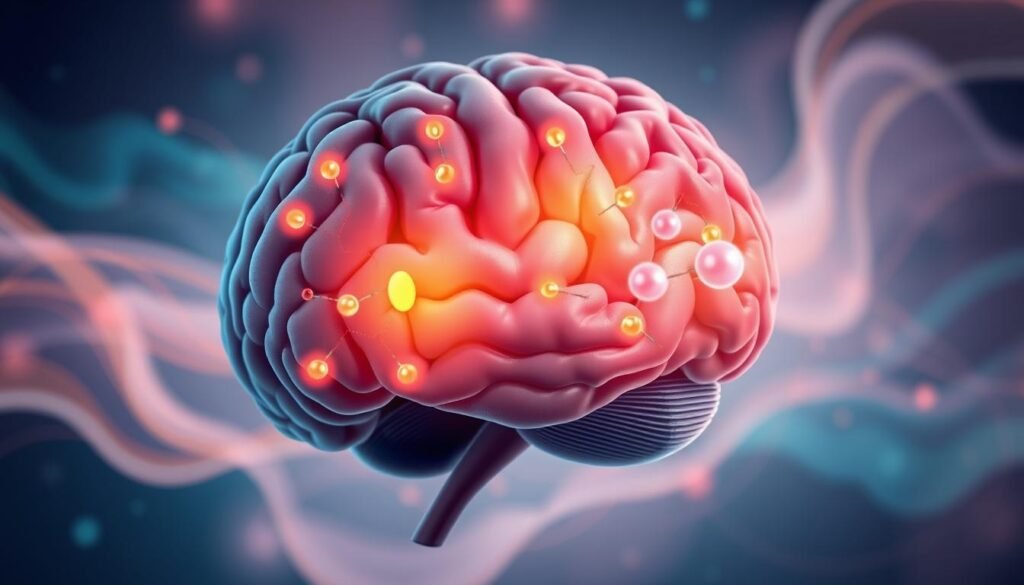
However, tramadol’s effects on mental health aren’t always straightforward. While some users feel happier, others may struggle with mood changes or anxiety. Using tramadol too much or for a long time can harm your liver. This could lead to liver damage or affect your ability to think clearly. Also, stopping tramadol suddenly can cause withdrawal symptoms like anxiety and feeling restless. This shows why it’s important to use tramadol carefully and under supervision.
Tramadol is often thought to be more effective than codeine for pain relief. But, how people respond to tramadol can vary greatly. It’s being looked into for treating depression, especially in cases where other treatments haven’t worked. More research is needed to fully understand how helpful tramadol can be for mental health.
For more information on tramadol’s potential role in treating depression, visit this link.
Tramadol for Depression: Current Understanding
Tramadol is known for its ability to ease pain. Recently, it has been looked at for treating depression off-label. Studies have shown tramadol efficacy in reducing depressive symptoms, especially in low doses. This has sparked interest in its potential for mood disorder treatments.
Efficacy as an Antidepressant
Small doses of tramadol, from 50 mg to 200 mg daily, can quickly lessen depressive symptoms. Often, this happens within 30 to 60 minutes of taking it. One study found that nearly 95% of users felt better using tramadol for their depression. Another significant study showed tramadol worked as well as amitriptyline, a traditional antidepressant.
Comparative Studies with Other Antidepressants
While there are some positive results, comparing tramadol to other antidepressants has its challenges. Issues with the design of some studies have made it hard to see tramadol’s full effect. More research is needed to better understand how tramadol can help with depression long-term.

To tackle depression, understanding its impact on the brain and body is key. Things like inflammation and stress responses play a role in how to treat it. For more on how these factors affect depression, click here.
Tramadol Benefits for Mental Health
Tramadol is helpful for people facing mental health problems. It’s good at improving mood disorders and treating conditions that occur together. Knowing about tramadol can help people manage their symptoms well.
Positive Effects on Mood Disorders
Studies show tramadol can improve mood disorders. Many patients feel less depressed after using it. This medicine works as a painkiller and can also lift your spirits.
This makes it helpful for those dealing with pain and depression. The tramadol benefits are more than just reducing pain. They help patients feel more emotionally stable, which is important for being well.
Potential Role in Treating Co-Occurring Disorders
Tramadol is great for treating pain and mood problems at the same time. This is especially useful for people who have chronic pain and also feel anxious or depressed. Taking tramadol can make both issues better, leading to a better life.
This shows how important tramadol is when treating tough situations. It’s useful when mood disorders and physical pain are present together.
| Condition | Potential Benefit of Tramadol |
|---|---|
| Mood Disorders | Improvement in depressive symptoms |
| Chronic Pain | Pain relief while enhancing mood |
| Anxiety | Reduction in anxiety symptoms |
| Co-occurring Conditions | Addresses multiple issues simultaneously |
Risks and Concerns of Using Tramadol
Tramadol helps with severe pain but has risks. Dependency and addiction are big risks when used wrong. The Substance Abuse and Mental Health Services Administration saw an increase in tramadol emergencies. This increase shows worries about tramadol addiction.
Dependency and Addiction Issues
Tramadol can be habit-forming if used for a long time. The FDA says it’s a schedule IV drug, meaning there’s a chance for abuse and addiction. Even though tramadol’s risk of dependence is lower than other opioids, misuse happens. This can occur even with those who haven’t misused substances before. Watching out for tramadol risks is key to prevent dependency.
Potential Side Effects
Tramadol’s side effects need attention. Users often report dizziness, nausea, and headaches. More than 5% of people experience these issues. There are also serious risks like respiratory depression and serotonin syndrome. These serious issues are more common in young patients and those with specific health issues.
Tramadol can be very harmful with benzodiazepines and alcohol. These mixtures can lead to severe breathing issues and other critical conditions. Stick to the doctor’s dose and report any pain changes during tramadol use. For more info on tramadol’s risks and side effects, see these guidelines.
Alternatives to Tramadol for Depression Treatment
Finding the right depression treatment means considering tramadol alternatives. Patients should look at antidepressants with a proven track record. These treatments can help improve mental health significantly.
Safer Antidepressant Options
Doctors often suggest safer antidepressants like SSRIs and SNRIs. These are preferred because they work well and have fewer side effects. Some of the top choices include:
- Fluoxetine (Prozac)
- Sertraline (Zoloft)
- Duloxetine (Cymbalta)
- Venlafaxine (Effexor)
Switching to safer antidepressants can be a good move for those with tramadol issues. It’s important to know that some drugs, like fluoxetine, might affect tramadol’s effectiveness in pain relief. Recent studies, available here, shed light on this.
Non-Pharmacological Approaches
Adding non-pharmacological depression treatment could greatly boost wellbeing. Such options include:
- Cognitive Behavioral Therapy (CBT)
- Mindfulness practices and meditation
- Regular physical activity
- Healthy dietary changes
- Support groups
Trying these non-pharmacological treatments can help people manage their mental health better. It’s a wise idea to discuss these approaches with a doctor to create a personalized plan.
Tramadol Therapy for Depression: Medical Guidelines
When thinking about tramadol for depression, doctors follow strict rules. These include the right tramadol dosage and support. This plan makes sure the therapy works well and is safe.
Dosage Recommendations
Doctors usually start tramadol at small doses, from 50 mg to 200 mg daily. Studies show about 79.2% of patients find relief at doses between 25–150 mg/day. Slowly increasing the dose can lessen side effects.
Patients often say tramadol is highly effective. They give it an average score of 9.1 out of 10. This highlights its key role in treatment.
Monitoring and Supervision
It’s vital to keep an eye on tramadol use. Doing so helps find any negative effects early. Regular meetings let doctors see how patients are doing. They can talk about issues like withdrawal or loss of desire.
Talking openly with healthcare staff helps. It creates a caring setting and improves treatment results. In the end, sticking to the tramadol guidelines greatly helps patients feel better.
Conclusion
The conclusion about tramadol treatment is complex. It shows both the benefits and the risks of using it for depression. Tramadol can help, especially for those who have other conditions or don’t respond well to usual treatments. Yet, it’s important to watch out for dependency and side effects.
Doctors and healthcare providers have a big role in dealing with this issue. They must talk openly about tramadol, its effects, and how it interacts with other drugs, like antidepressants. It’s crucial to keep checking to find the best plan for each person.
Making informed choices with detailed conversations can lead to a personalized treatment. This approach helps treat depression effectively. It also focuses on the patients’ long-term health and happiness.