Ever wonder why some people seem weighed down by an invisible burden? They make simple tasks seem like mountains. This happens to those with crippling depression. It is a serious condition seen as a severe mood disorder. People face a deep sadness that makes daily activities really hard.
We will deeply explore crippling depression in this guide. We’ll look at symptoms, types, how it’s diagnosed, and what causes it. We’ll also cover treatments from talking therapies to medicines. Our aim is to give knowledge to those needing help. They can seek support and start their recovery journey. For more on depression types and symptoms, check outthis link.
Key Takeaways
- Crippling depression significantly impacts daily functioning, making routine tasks difficult.
- Symptoms may persistently include feelings of hopelessness, irritability, and fatigue.
- Patients often experience physical manifestations such as gastrointestinal issues.
- Risk factors include long-term depression and a family history of mental health disorders.
- Intervention early in the onset can improve the quality of life and reduce severe side effects.
- Understanding treatment pathways, including psychotherapy and medication, is crucial for recovery.
What is Crippling Depression?
Crippling depression is a severe mood disorder. It makes daily tasks very hard to tackle. This kind of depression stops a person from functioning properly in life, affecting work and personal care.
Symptoms go beyond feeling sad. They affect physical health too. People often lose jobs, ignore their hygiene, have trouble with bills, and think about self-harm.
How long crippling depression lasts can change a lot. Some have it for weeks; others struggle much longer. It can cause sleep problems and make it hard to get out of bed or do school work. Organizations like the Mayo Clinic talk about depression’s severity but not about its impact on work ability.
The term “crippling depression” became well-known through the internet. Memes have spread the term, but some think they make light of the real issue. Still, interest in the term went up a lot.
About one in six people will have a major depressive episode at some point. Each year, up to 16 million adults face clinical depression. It affects everyone, regardless of background. The causes include genetics, brain chemistry, and social stress.
Stressful events and not having support can make it worse. But, there are effective treatments for those dealing with crippling depression. Lifestyle changes, medication, and therapy like cognitive-behavioral therapy can help. Knowing more about this disorder can improve support and treatment for those affected. For deeper understanding, read this comprehensive article on crippling depression.
Types of Depression
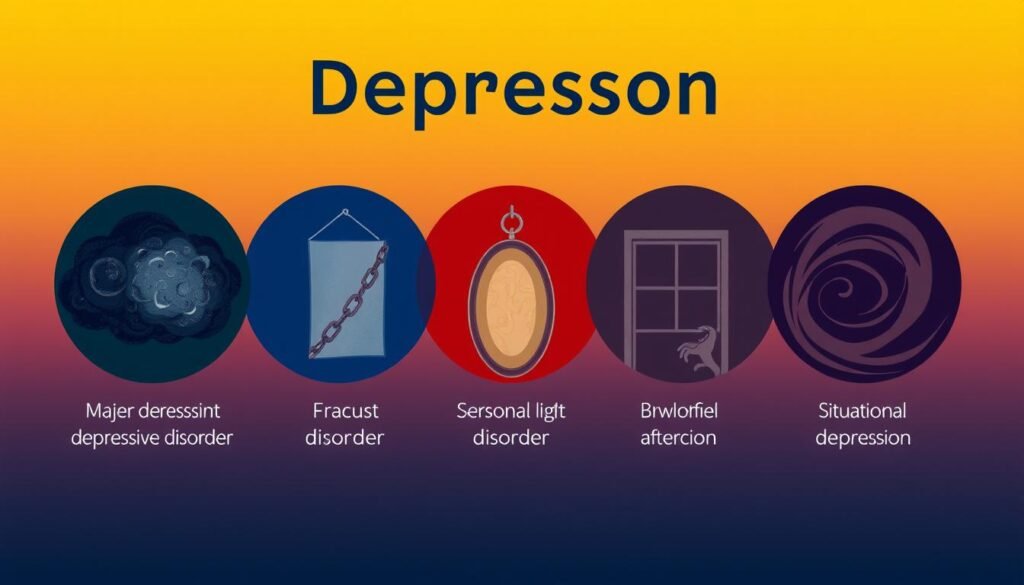
Understanding different types of depression is key to recognizing symptoms and choosing the right treatment paths. Each kind has unique signs and affects daily life differently.
Major Depressive Disorder
Major depressive disorder is a serious condition that impacts millions. People struggle with deep sadness, hopelessness, and losing interest in activities they once loved. This depression lasts a long time, so getting help is crucial.
Recovery involves professional support, often including medication and therapy, like cognitive behavioral therapy. These are vital for managing the disorder.
Persistent Depressive Disorder (Dysthymia)
Persistent depressive disorder, or dysthymia, is about feeling down for two years or more. Its symptoms can be milder than major depression but still make everyday life hard. Even mild symptoms need ongoing support and treatment.
Seasonal Affective Disorder (SAD)
Seasonal affective disorder often starts in the fall and winter. It connects mood changes to the seasons. People feel depressed during these months but get better in the spring. Treatments like light therapy and lifestyle changes help fight SAD.
Perinatal Depression
Perinatal depression hits during or just after childbirth. It causes new moms to feel very anxious, sad, and tired. This affects both the mother and baby. As many as 15% of women go through this, showing the importance of mental health care after childbirth.
Symptoms of Severe Depression
It’s crucial to know the symptoms of severe depression. This condition is tough to deal with. It can lead to big emotional and physical problems in life. Here are some key symptoms people with severe depression often have.
Persistent Sad or Numb Mood
Feeling sad or empty all the time is a clear sign of severe depression. People might feel a deep sadness or emptiness that doesn’t go away. This can make it hard to enjoy things and hurt relationships.
Loss of Interest in Activities
Losing interest in what you used to love is another major sign. Activities, hanging out, or doing tasks might seem too hard or not interesting. This can make someone want to be alone more, making their low mood even worse.
Feelings of Worthlessness or Guilt
Severe depression often makes people feel really bad about themselves. They might keep thinking about mistakes or things they think they’ve done wrong. This can make them feel even sadder and like getting better is impossible.
Difficulty Concentrating
Many people with depression find it hard to focus. Even simple tasks can seem really tough, leading to frustration and feeling mentally exhausted. This makes daily life and keeping up with tasks much harder, affecting their life quality.

| Symptom | Description |
|---|---|
| Persistent Sad or Numb Mood | Lasting feelings of emptiness or chronic sadness that are difficult to shake. |
| Loss of Interest in Activities | Significant disinterest in hobbies or social interactions previously enjoyed. |
| Feelings of Worthlessness or Guilt | Pervasive feelings of inadequacy and overwhelming guilt about personal failures. |
| Difficulty Concentrating | Struggles to focus on tasks or make decisions, impacting daily life. |
Diagnosing Severe Depression
Professionals need to be careful when assessing someone for depression. Those with major depressive episodes show symptoms for over two weeks. This is critical to confirm if someone has clinical depression.
Differentiating the types of depression is key. It helps doctors tell if it’s major depressive disorder or something else. Signs include a lasting sad mood, feeling worthless, and not enjoying things like before.
Diagnosing depression follows a method:
- Clinical interviews to discuss mood and symptoms
- Questionnaires or standardized assessments for depression
- Physical examinations to rule out other health issues
- Family history evaluations to identify genetic predispositions
Here’s a table with the criteria for diagnosing major depressive disorder:
| Criteria | Description |
|---|---|
| Depressed Mood | Feeling sad, empty, or hopeless most of the day |
| Anhedonia | Loss of interest or pleasure in nearly all activities |
| Weight Changes | Significant weight loss or gain, or changes in appetite |
| Sleep Disturbances | Insomnia or hypersomnia nearly every day |
| Fatigue | Loss of energy or increased fatigue |
| Feelings of Worthlessness | Excessive or inappropriate guilt |
| Cognitive Impairment | Diminished ability to think, concentrate, or make decisions |
| Suicidal Thoughts | Recurrent thoughts of death or suicidal ideation |
An accurate diagnosis is the first step towards effective treatment. Mental health professionals focus on finding the right treatment plan. This helps individuals start their path to recovery.

The Difference in Depression Between Men and Women
Understanding the gender differences in depression is crucial. Biological, psychological, and social factors make depression show up differently in men and women. We will look at these differences and how they change depression’s impact on each gender.
Symptoms in Men
Men may show depression as irritability and anger, sometimes being aggressive. They might also do risky things like using drugs to cope. They often don’t ask for help, making their depression less likely to be noticed.
Even though men make up 22% of depression studies, they’re much less likely to get depressed compared to women. This shows the big differences in how men and women experience depression.
Symptoms in Women
Women often feel very guilty and worthless when they’re depressed. They’re also much more likely to get depressed, being 31.2% in studies. Hormones and social pressure play a big role in this.
Women are also better at knowing when they’re depressed and getting help. This difference is important in the fight against depression.
| Category | Men | Women |
|---|---|---|
| Prevalence of Depression | 22% | 31.2% |
| Likelihood of Development | 63% less likely | More likely |
| Common Symptoms | Irritability, anger, risky behaviors | Feelings of worthlessness, intense guilt |
| Help-Seeking Behavior | Less likely to seek help | More proactive in seeking help |
Mental Health Rates in the U.S.
Looking into mental health rates in the U.S. shows us how common depression is. About 21.0 million adults had a major depressive episode in 2021. This is around 8.3% of all adults.
Statistics on Depression
The rates of depression are different for certain groups:
- Adult Females: 10.3% had major depressive episodes.
- Adult Males: 6.2% faced the same issue.
- Young Adults (Aged 18-25): They had the highest rate at 18.6%.
- Multiracial Individuals: Their rate was 13.9%.
About 20.1% of teenagers (12 to 17) went through a major depressive episode. Girls (29.2%) had it much more than boys (11.5%). These numbers show why we need better mental health care for all ages and genders.
Impact of COVID-19 on Mental Health
The COVID-19 pandemic made mental health issues worse. More people have been feeling depressed due to isolation and the uncertainty of everything. It showed how much we need to improve our mental health support.
Treatment Options for Severe Depression
It’s important to find the right treatment for depression. Many methods can help based on your needs. These include talking with a therapist, taking medication, and getting support from friends or family.
Psychotherapy
Psychotherapy, or talk therapy, is key for fighting depression. It uses methods like cognitive behavioral therapy (CBT) to change negative thoughts. This helps people learn better ways to cope and feel emotionally stronger.
Medication
Medicines for depression are also important. They adjust brain chemicals that affect your mood. Working with doctors helps find the best medicine and dose for you.
Electroconvulsive Therapy (ECT)
ECT is another option if talk therapy and medication don’t work. It’s done under anesthesia and can quickly help severe depression. This treatment is usually for very serious cases.
Support Networks
Having support from others is crucial for overcoming depression. Love and understanding from people close to you make a big difference. This encouragement helps people tackle their depression.
Understanding the Causes of Crippling Depression
Understanding causes of depression helps us know this mental health problem better. Many factors come together to cause severe depression. It’s a big challenge because of its complex causes. We can look at genetic, environmental, and psychological factors. This helps us see how they affect mental health.
Genetic Risk Factors
Genes play a big role in depression. About half of the cases are linked to genetics. If your family has a history of depression, you’re more likely to get it. Your genetic background makes a big difference.
Environmental Influences
Outside stressors like trauma or losing someone special can trigger depression. These environmental influences on mood can make things worse if you’re already vulnerable. Knowing about these triggers can help create better treatments. For more details, check out this guide.
Psychological Factors
Thinking patterns and mental vulnerabilities increase depression risk. Anxiety, substance abuse, or other mental health issues make you more prone. It’s important to understand these factors for prevention and treatment. Recognizing these internal factors is key.