About 13% of U.S. adults are taking antidepressants, with numbers growing. Selective serotonin reuptake inhibitors (SSRIs) are popular for treating depression. They are chosen for their safety and how well they work. SSRIs boost serotonin in the brain, which helps control mood.
SSRIs are key in treating not just depression but other issues like anxiety, OCD, and PTSD. Treatment starts with a low dose. People usually see improvements in two to four weeks.
Diving into SSRIs means learning how they work, what they do, and their side effects. This knowledge is vital for those thinking of using them for mental health. For detailed info on SSRIs, check out Mayo Clinic and Immune Vitality.
Key Takeaways
- SSRIs are a commonly prescribed class of antidepressants, effective for various mental health conditions.
- They generally have fewer side effects compared to other antidepressants.
- Patients often experience benefits within 2 to 4 weeks of starting treatment.
- Common SSRIs include fluoxetine, sertraline, and citalopram, among others.
- Caution is advised regarding potential side effects and interactions with other medications.
What Are SSRIs?
Selective serotonin reuptake inhibitors, or SSRIs, are a major group of antidepressants. They are widely used in the United States. They mainly help people with moderate to severe depression and anxiety disorders. SSRIs work by increasing serotonin levels in the brain. This helps in managing symptoms better. They are a favored choice for treating depression effectively among healthcare providers.
About 6.7% of the U.S. population faces depression yearly. This is around 16.1 million people. With such high numbers, SSRIs play a key role in mental health treatment. The FDA has approved SSRIs like Celexa, Lexapro, Prozac, and Zoloft for these issues. These drugs are effective but can cause side effects.
SSRIs might lead to issues like stomach upsets, sleep changes, and sexual problems. More serious effects could include drug interactions with other antidepressants and herbal products. There are FDA warnings about increased suicide thoughts in the young. This shows the need for careful watching during their use.
SSRIs may take weeks to improve mood. People respond differently to each SSRI, which shows the need for tailored treatment plans. For in-depth info on SSRIs and how they work, check out this resource.
| Medication | Indication | Potential Side Effects |
|---|---|---|
| Celexa | Depression | Nausea, fatigue, sexual dysfunction |
| Lexapro | Generalized anxiety disorder | Weight gain, anxiety, insomnia |
| Paxil | Social anxiety disorder | Drowsiness, withdrawal symptoms |
| Prozac | Major depressive disorder | Headaches, nausea, menstrual changes |
| Zoloft | Obsessive-compulsive disorder | Diarrhea, insomnia, sexual dysfunction |
How SSRIs Work
SSRIs have a big impact on mood by working with serotonin. This neurotransmitter is key for emotions, memory, and sleep. It’s very important for keeping our emotional health.
The Role of Serotonin
Serotonin is essential for feeling good and dealing with emotions. When serotonin levels are low, people might feel depressed or anxious. SSRIs help by raising serotonin in the brain, helping to balance emotions. They are especially helpful for those with OCD, improving symptoms with more serotonin.
Blocking Reuptake Mechanism
SSRIs work by stopping the usual absorption of serotonin. Normally, serotonin is taken back up by neurons, limiting its mood-regulating effects. By blocking this reuptake, SSRIs let serotonin stay out longer. This helps nerve cells talk better to each other, leading to better mood stability.
| Functionality | Importance of Serotonin | SSRI Mechanism |
|---|---|---|
| Regulates emotions, mood, and sleep | Critical for emotional stability | Blocks the reuptake of serotonin |
| Influences memory and learning | Low levels linked to depression | Enhances neurotransmitter communication |
| Addresses symptoms of OCD | Symptom improvement with increased serotonin | Allows serotonin to remain active longer |
Conditions Treated with SSRIs
SSRIs are key in treating many mental health issues, transforming how we handle depression. They mainly work by changing serotonin levels in our brains. This brings relief to a variety of conditions.
Depression
Major depressive disorder is a main reason doctors prescribe SSRIs. These meds help with ongoing depressive symptoms. They allow people to work better and improve their mental wellbeing. SSRIs are often chosen first for depression because they have fewer side effects. They effectively manage the condition.
Other Mental Health Disorders
SSRIs are used for more than just depression. They help with different anxiety disorders, like generalized anxiety disorder (GAD), panic disorder, and social anxiety disorder. Obsessive-compulsive disorder (OCD) also improves with SSRIs. Moreover, conditions like post-traumatic stress disorder (PTSD) and bulimia are treated with these drugs.
Off-Label Uses
SSRIs have several off-label uses too. Doctors sometimes prescribe them for premenstrual syndrome (PMS), fibromyalgia, and irritable bowel syndrome (IBS). Their flexibility shows how SSRIs can address many mental health issues. They play a crucial role in today’s treatment options.
| Condition | Type of Use |
|---|---|
| Major Depressive Disorder | Approved |
| Generalized Anxiety Disorder | Approved |
| Obsessive-Compulsive Disorder (OCD) | Approved |
| Social Anxiety Disorder | Approved |
| Post-Traumatic Stress Disorder (PTSD) | Approved |
| Premenstrual Syndrome (PMS) | Off-Label |
| Fibromyalgia | Off-Label |
| Irritable Bowel Syndrome (IBS) | Off-Label |
SSRIs (Selective Serotonin Reuptake Inhibitors): Types and Examples
Selective Serotonin Reuptake Inhibitors, or SSRIs, are commonly used for mental health issues. These medications vary in type, each offering different benefits. Let’s explore some of the main SSRIs, their uses, and characteristics.
Citalopram (Celexa)
Citalopram goes by the brand Celexa. It’s mainly for major depressive disorder. Raising serotonin levels, it helps ease depression and anxiety for many.
Escitalopram (Lexapro)
Escitalopram is better known as Lexapro. It treats major depressive disorder and general anxiety disorder. Its few side effects make it a favorite for many.
Fluoxetine (Prozac)
Fluoxetine, or Prozac, has been around for a while. It’s great for tackling depression and bulimia nervosa. This makes it a go-to for varied treatments.
Paroxetine (Paxil)
Paroxetine is marketed as Paxil. It’s used for depression and anxiety disorders. Many users find it significantly eases their symptoms.
Sertraline (Zoloft)
Sertraline, known as Zoloft, is cleared for various issues like major depressive disorder and anxiety-related disorders. Being widely prescribed in the U.S. shows its reliability.
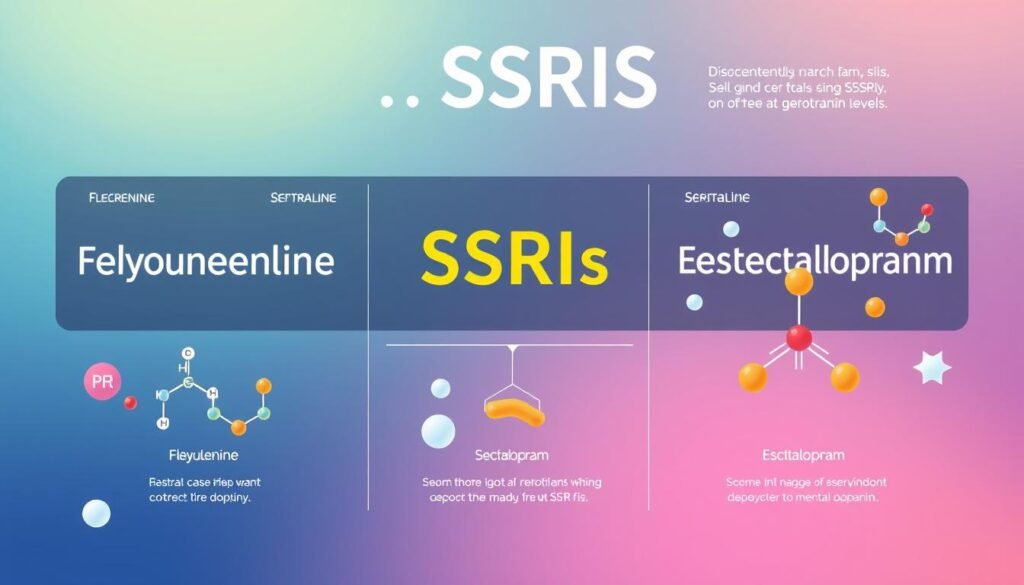
| SSRI | Brand Name | Common Uses |
|---|---|---|
| Citalopram | Celexa | Major Depressive Disorder, Anxiety |
| Escitalopram | Lexapro | Major Depressive Disorder, General Anxiety Disorder |
| Fluoxetine | Prozac | Depression, Bulimia Nervosa |
| Paroxetine | Paxil | Depression, Anxiety Disorders |
| Sertraline | Zoloft | Major Depressive Disorder, Anxiety Disorders |
Dosage and Duration of Treatment
Knowing the right dosage and treatment duration for SSRIs is key. Most healthcare providers suggest starting at the lowest dose that works. This approach tailors the treatment, evaluating individual reactions and lowering side effect risks.
Initial Dosing Guidelines
The starting dose is usually between 20 mg and 40 mg of fluoxetine equivalents. Studies show this range is best for most patients. At standard doses, research involving 39 reviews found people had good results without many side effects. It’s important to watch how patients react early on.
Adjusting Dosages
If there’s no big improvement in four to six weeks, changing the dose might help. Higher doses can work better, especially with medicines like venlafaxine, effective up to about 75-150 mg. But with mirtazapine, results can worsen if the dose goes over 30 mg. Doctors must watch for any increase in patients quitting the treatment as doses go up. Careful dose changes can lead to better results and keep patients on track.
| SSRI Medication | Recommended Initial Dosage | Maximum Dosage | Notes on Efficacy |
|---|---|---|---|
| Citalopram | 20 mg | 40 mg | Effective within the recommended range, monitor for side effects |
| Escitalopram | 10 mg | 20 mg | Consistent results at lower dosages |
| Fluoxetine | 20 mg | 80 mg | Gradual increase can be beneficial, high dropout at higher doses |
| Paroxetine | 20 mg | 50 mg | Effective in standard ranges, monitor for withdrawal symptoms on discontinuation |
| Sertraline | 50 mg | 200 mg | Responses vary, includes side effects such as gastrointestinal issues |
Common Side Effects of SSRIs
Knowing the side effects of SSRIs is crucial for those thinking about this treatment. While SSRIs often help a lot with depression, they can have physical side effects at first. It’s important to recognize these effects to set the right expectations and talk properly with doctors.
Physical Side Effects
SSRIs may cause physical side effects like:
- Nausea
- Dizziness
- Dry mouth
- Loss of libido
- Indigestion
- Blurred vision
- Excessive sweating
- Sleeping problems
Most of the time, SSRIs cause only a few, mild physical side effects. This makes them easier to handle than many other antidepressants. However, there can be less common side effects like movement issues, confusion, or seeing things. Rarely, a serious problem called serotonin syndrome can happen.
Watching for signs like confusion, being overly excited, muscle twitches, and a higher body temperature is key. This helps in dealing with any serious risks early on.
Emotional and Behavioral Changes
SSRIs might also change how you feel emotionally. Some people may feel more anxious, restless, or notice mood swings. Doctors need to watch patients closely at the start of taking SSRIs. This is to catch any unexpected changes in behavior early. People under 25 are at a higher risk for thinking about suicide or hurting themselves.
Keeping an eye on how someone reacts to these medicines is critical. Knowing both the good and bad about SSRIs helps in talking openly with medical experts.

| Type of Side Effect | Common Examples | Less Common Examples | Serious Conditions |
|---|---|---|---|
| Physical | Nausea, Dizziness, Dry Mouth | Movement Problems, Confusion | Serotonin Syndrome, Hyponatremia |
| Emotional | Anxiety, Changes in Mood | Agitation | Suicidal Thoughts in Young Adults |
Important Considerations Before Starting SSRIs
Before you start with SSRIs, talk deeply with your doctor. It’s key to go over any health issues that might affect the drug’s impact and safety.
Underlying Health Conditions
Conditions like diabetes, kidney issues, or epilepsy can change how safe SSRIs are for you. Tell your doctor all about your health past. This helps them make choices that best fit your needs and keep you safe.
Interactions with Other Medications
SSRIs can react with other drugs, like pain relievers (NSAIDs) or certain herbs like St John’s wort. Knowing about these reactions is important. They could cause bad side effects or make SSRIs work less well. Talk openly about all the medicines you take to manage these risks well.
SSRIs and Pregnancy
Deciding to use SSRIs during pregnancy needs careful thought. It’s about weighing the good against possible risks for both mom and baby. Talking over SSRIs and pregnancy can help shape a safe care plan.
For more on making treatment choices together, check out this resource here. These talks improve understanding and help you play an active role in your care.
Monitoring Treatment: How to Assess Effectiveness
Monitoring treatment helps check if SSRIs work well for issues like major depressive disorder (MDD). Going to regular check-ups gives insights into how a patient reacts to a medicine. This means any side effects get spotted early. This teamwork ensures care can change if needed, keeping everyone informed.
In checking treatment results, doctors use different ways to see if it’s working. These ways include:
- Patient-reported mood changes
- Functional improvements in daily activities
- Side effect monitoring to assess overall tolerance of the medication
Doctors may use questionnaires or scales to measure how patients are doing over time. This helps understand the effect of SSRIs on mental health. It makes customizing treatment easier, meeting the unique needs of each patient.
Knowing the side effects of SSRIs is also key in treatment monitoring. SSRIs are usually safer than older antidepressants. Yet, they can still cause issues like heart problems, sexual issues, and weight gain. Knowing about these helps in managing them better.

A detailed approach to monitoring makes SSRIs safer and more effective. Continuous checking highlights any problems early. This leads to improved care for patients. Different organizations stress keeping a close watch on treatment, for the best results.
| Parameter | Purpose | Example Measures |
|---|---|---|
| Mood Changes | Evaluate emotional progress | Patient mood scale |
| Functional Improvements | Assess daily life impact | Activity level tracking |
| Side Effects Monitoring | Manage adverse effects | Symptom checklists |
Stopping SSRIs: What You Need to Know
Thinking about stopping SSRIs? It’s key to know that withdrawal symptoms might happen. Many people might face a condition known as discontinuation syndrome. This can happen if they suddenly stop their meds. These symptoms can be like the flu, make you tired, give you intense dreams, change your mood, make you feel sick, and dizzy. Studies show that 27%-86% of people who stop taking SSRIs might experience these issues. They typically start two to four days after stopping the medication.
Discontinuation Syndrome
Discontinuation syndrome can really stand out for some antidepressants. Medicines like desvenlafaxine, fluvoxamine, paroxetine, and venlafaxine are likely to lead to withdrawal. Other SSRIs, like citalopram and sertraline, come with a medium risk. But, fluoxetine usually has a lower risk of causing these issues. Most symptoms last about one to two weeks, but sometimes they can stick around for months. For a few, these symptoms can last from one to three years.
Recommendations for Stopping SSRIs
If you’re thinking of stopping SSRIs, doing it slowly is often advised. This should be under a doctor’s watchful eye. Tapering off slowly can lessen withdrawal symptoms and the chance of your mental health getting worse again. It’s also crucial to take your medication at the same time every day. The acronym FINISH sums up the main symptoms of discontinuation syndrome. These symptoms are:
- Flu-like symptoms
- Insomnia
- Nausea
- Imbalance
- Sensory disturbances (like ‘brain zaps’)
- Hyperarousal (anxiety, irritability)
Following tapering advice can really help reduce the risk of strong withdrawal symptoms. This can help keep your mental health stable.
Finding the Right SSRI for You
Choosing the right SSRI means knowing that people react differently to treatment. Things like your genes, your past with meds, and your health matter. Because everyone’s different, there isn’t just one SSRI that works for all. Finding the best one for you takes careful thinking about these factors to make sure the treatment works.
Individual Responses to Treatment
Some people might have a hard time with SSRIs at first. Since everyone’s body responds in its own way, keeping an eye on how the medication is doing is key. You might notice changes in side effects, how well it works, and how long it takes to feel better. Often, SSRIs need up to six to twelve weeks to really start showing results. Knowing how you’ve reacted to meds before and how you’re doing now is important for finding the right approach.
Consulting with Healthcare Professionals
Talking to a healthcare expert before starting SSRIs is crucial. Having an open chat about your symptoms, your medical past, and your experiences with other meds is part of making a tailored treatment plan. It’s good to bring up any worries, side effects, or questions about how the medicine might mix with others. This teamwork helps find the most suitable SSRI for you, increasing the chance of a successful treatment.
Conclusion
SSRIs are key in managing depression and anxiety. They adjust brain chemicals, giving hope to people needing mental health support. Despite some risks in young people, the benefits of SSRIs shine, especially for serious depression.
The US Food and Drug Administration suggests watching those on SSRIs for any suicidal thoughts. It’s important that doctors talk openly with patients about SSRIs’ risks and benefits. This ensures the right care approach.
SSRIs are gaining use as depression rates climb worldwide. This affects suicide trends in various places. Understanding the risks and benefits of SSRIs, while not ignoring depression’s dangers, is crucial. Combining SSRIs with therapy can improve lives. For more on SSRIs, visit this resource.